The psychology of narcissism: why midterm defeat may be particularly difficult for Donald Trump
Donald Trump's midterm setback has dealt an enormous blow to his political authority. But why can criticism, rejection and losing be especially difficult for someone with strong narcissistic traits? Psychologists explain the relationship between admiration, self-worth and the need to win
 Sally Saunders
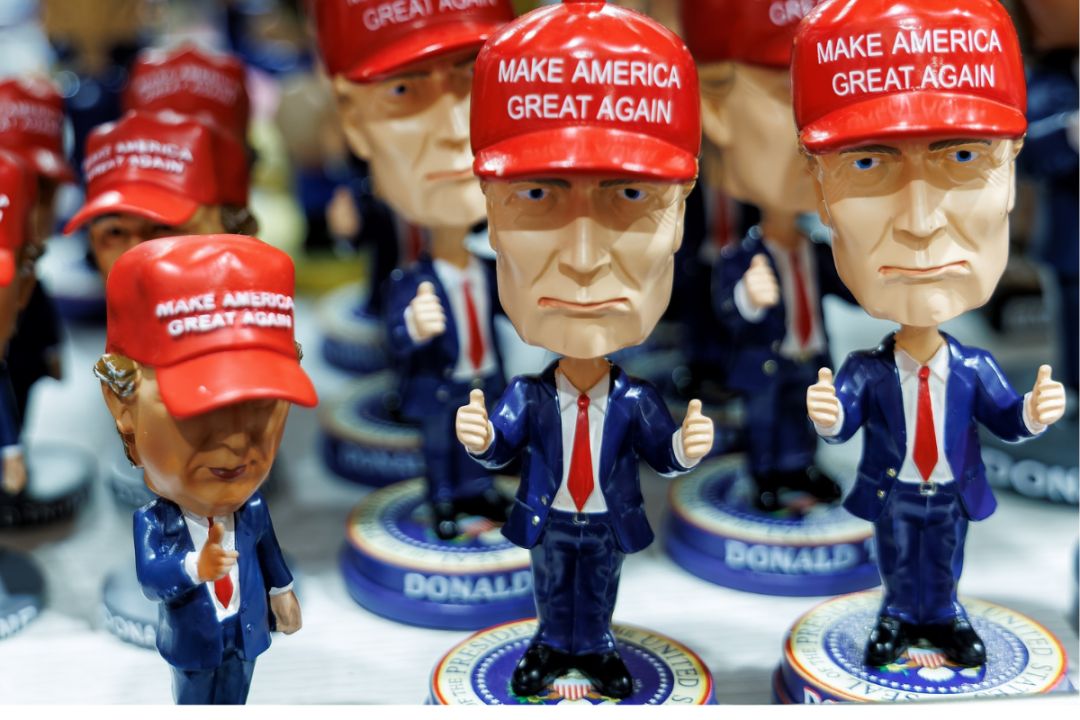
Donald Trump has built much of his public identity around being a winner. From his business career to his political campaigns, success, dominance and the language of victory have been recurring themes. But following a bruising midterm election, in which Democrats have taken control of both the House and Senate, the president faces a very different political reality.
For someone whose public image is closely associated with strength, success and being right, the result raises an interesting psychological question: why can losing and being rejected be particularly difficult for people with narcissistic traits?
Why winning can become part of someone’s identity
Narcissism is often mistaken for thinking too highly of yourself, but the psychology is more complicated. “Being admired, successful or seen as special can become an important way of maintaining self-worth,” explains Dr Jemma Anderson, chartered educational psychologist.
For some people, external recognition becomes closely tied to their identity. Praise and status provide reassurance, while criticism or failure can feel like a threat to how they see themselves.
Ludovica Colella, CBT-trained psychotherapist and confidence coach, explains: “Some people with strong narcissistic traits develop what we call a false self, an idealised version of themselves built around being exceptional or beyond criticism. This grandiose identity can function as a psychological defence against feelings of inadequacy or emotional vulnerability.”
This doesn’t mean that confidence or ambition is narcissism. Narcissistic traits exist on a spectrum, and having them does not automatically mean someone has narcissistic personality disorder (NP), which requires professional assessment. Nor can we diagnose Trump from his public behaviour.
However, we can examine patterns in the way he responds to criticism, challenges to his authority and situations in which he is not seen as the winner, and consider how these compare with behaviours psychologists associate with narcissistic traits.
Why criticism can feel like a personal attack
For someone whose identity depends on being admired or seen as exceptional, criticism can feel like more than being told they’re wrong. It can threaten their entire sense of self.
Cheryl Kennedy MacDonald, registered psychotherapist and founder of Female Focused Therapy, says: “If being exceptional holds your identity together, criticism can trigger shame, which can then be defended against with anger, blame or devaluation, basically putting another person down to restore their position.”
Psychologists sometimes describe this as threatened egotism: when someone’s favourable view of themselves is challenged, they may respond with disproportionate defensiveness or hostility.
Dr Lisa Turner, founder of CETfreedom, explains: “When someone’s favourable self-image is challenged, they may respond with disproportionate anger, defensiveness or attempts to discredit the person challenging them.”
We cannot know how Trump privately experiences electoral rejection. However, the psychology helps explain why some people struggle to separate criticism of their actions from criticism of who they are.

When being a winner matters more than being right
Another feature of narcissistic traits can be the need for admiration and recognition. When self-worth depends heavily on being seen as successful, another person’s achievements or popularity can feel threatening.
Dr Anderson explains: “When self-worth depends heavily on being exceptional or receiving admiration, a person may find it more difficult to tolerate being wrong, sharing attention or seeing someone else succeed.”
An electoral defeat also changes the balance of power. Trump’s opponents now have greater influence, while members of his own party may feel more able to challenge his decisions.
For someone accustomed to being the dominant voice, losing that influence could present a significant challenge. The psychological difficulty isn’t simply losing, but having to accept disagreement, share power and recognise that other people may not always provide the admiration they expect.
What happens to a narcissist when the admiration stops?
When someone’s self-worth relies heavily on external validation, disagreement and rejection can become particularly difficult to tolerate.
Dr Turner offers an important distinction: “Healthy self-worth allows us to remain ourselves when someone disagrees with us, overlooks us or doesn’t particularly admire us.”
We cannot know what Trump privately feels about his electoral setback, or make a psychological diagnosis based on his public persona. But the situation highlights a wider psychological question: what happens when the image we have built of ourselves is challenged by the way the rest of the world sees us?