How to beat Seasonal Affective Disorder before winter hits – and keep your mood on track
While some people get SAD in the summer, winter is most common, with as many as 10% of people experiencing symptoms. Here’s how to best prepare for it
By 
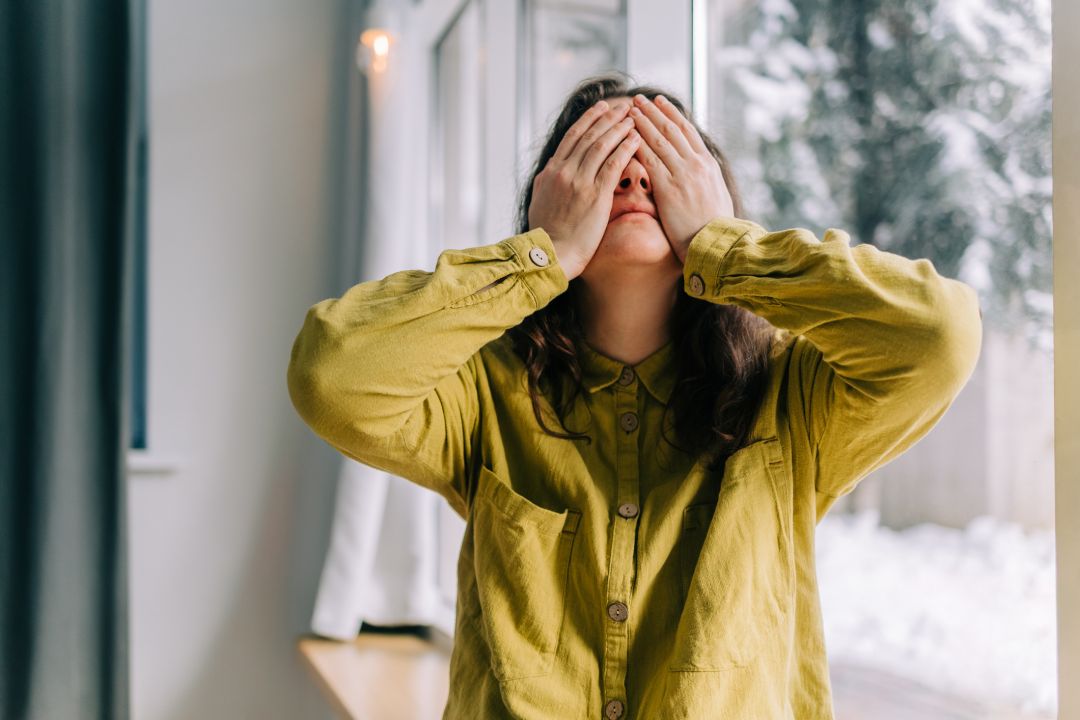
SAD can return with the shorter days, but there are practical ways to prepare. From morning light and exercise to light therapy and socialising, here’s how to protect your mood this winter
PIC: GETTY IMAGES
If you’re reading this in the northern hemisphere: winter’s coming. While this time of year brings us cosier nights, less sweltering commutes to work, and plenty of festivities, for as many as 10 per cent of the population it can also bring Seasonal Affective Disorder (SAD), according to Mental Health America.
What causes SAD?
In theory, we’re not completely sure. With the typical, winter-based SAD, successful treatment seems to be linked to having less daylight. Less daylight impacts our circadian rhythm, which in turn alters our melatonin and serotonin levels. We also get decreased vitamin D levels in the winter, impacting mood. As you’d imagine, living further from the equator seems to exacerbate symptoms – in the US, Alaska has the highest rates, in the UK, it’s Scotland.
There is also some evidence of SAD having hereditary links. According to the Mental Health Foundation, “you’re more likely to develop SAD if you have a relative with SAD or another form of depression.” The foundation also suggests women are more susceptible than men.
The good news is that while SAD isn’t directly curable, it is relatively well treatable to a point where, for many, its symptoms, which according to the Mayo Clinic include “low mood, extreme fatigue or sleeping too much, a loss of interest in activities, and increased cravings for carbohydrates leading to weight gain,” are manageable.
How to minimise symptoms
While we don’t have a sense of a cure, or even a cause, the evidence suggests that there are physical and psychological, and pharmacological things we can do to help relieve symptoms (aka, feel better). As SAD tends to recur year on year, these are things we are recommended to do leading up to, and through the seasons in which we suffer.
Be in the world
Given the strongest evidence we have is that a lack of daylight is driving these changes, going outside more in the day is the key recommendation. Yes, the weather might be a little less friendly, but there is clothing to combat this.
Our circadian rhythm is designed to work with daylight, but due to modern living we tend to go straight from sleep to desktop, barely taking in the morning light. This can be worse in winter, as the cold and dark mornings have us hurrying indoors. But spending the start of the day outdoors works wonders for the circadian rhythm, which impacts our ability to sleep as well as hormone regulation.

Additionally, UCLA Health has suggested there are several benefits to being in nature, some of these are improved mood, reduced stress, and better sleep. All are direct antidotes to the impact SAD can have on us. A morning walk is the perfect combination of these SAD-zapping methods, and exercise is also known to boost mood – a walk included.
Socialising is also incredibly important for our wellbeing, and depression tends to directly correlate to use reducing our socialising; so roping friends into morning walks could be great for you both!
Use light therapy
Second to being outdoors, or for an additional boost, light therapy is incredibly popular in Nordic countries and has gained prevalence across much of the northern hemisphere in recent years too. In the case of SAD, light therapy is a form of light that is used to emulate sunlight and can help to quite literally brighten your day. Specifically designed items that offer 10,000 lux of brightness and are UV-free are needed for this to work. You simply turn the lamp on and make sure you’re sitting 16 to 24 inches away. Sessions should last 20 to 45 minutes daily, as overuse can cause effects to plateau.
Reframe your notion of the problem season
People often dread winter, say they are summer people. Others look forward to “the most wonderful time of the year,” are excited by cosy evenings and wintry walks. While we can’t delude ourselves on preference, it can be helpful to try and sit with the fact that seasons change, and to try and find ways in which we can embrace and enjoy these times. The Mental Health Foundation says “Research shows that reframing how we think about stressful events can help us deal much better with them.”
What to do when SAD is persistent and difficult
Where SAD is persistent and difficult, it has many of the hallmarks of general depression and in the UK, alongside light therapy, antidepressants and talking therapies such as cognitive behavioural therapy (CBT) are treatments the NHS recommends. Therefore, it is important to speak to your doctor if you are experiencing low mood, or other symptoms that could be SAD wherever you are. While it is seasonal, it is not just something to ignore.