From hot flashes to heart disease, menopause content can feel scary. Here’s how to stop fearing the future
It’s good to be open, but is more conversation leading to more fear? Dr Stephanie Fitzgerald discusses how to keep calm about the menopause
 Sally Saunders
Words: Stephanie Fitzgerald. Images: Shutterstock.
I’ve looked forward to menopause since my 20s. That may sound bizarre but, having managed heavy, painful periods since my teens, I eagerly awaited the days when I could be in touch with my natural body, cut out artificial hormones (which isn’t an option whilst I’m still menstruating) and finally have sex without niggling pregnancy worries. I was a huge fan-in-waiting and, as far as I was concerned, the sooner the better.
Then, Davina McCall made a documentary called Sex, Myths and the Menopause. I didn’t watch it, because I was only 38 years old and menopause was something I didn’t have to think about for at least 10 years…right? But I couldn’t avoid the avalanche of information that followed. The menopause was everywhere. At first, I welcomed it with open arms. Yay for women’s health being at the forefront! But then I became uneasy.
Instagram started throwing me details, neatly summarised in a carousel, of a horror show. I was casually told that my risk of everything from heart disease, to cancer, to divorce is about to dramatically increase due to the menopause and that I’d better get myself onto HRT pronto if I don’t want my life to fall apart. I am overwhelmed by snippets of information but fully informed by none. I have downloaded books I am too scared to read and podcasts that I can’t bring myself to listen to. I am anxious and I am not alone.
‘Mate, I am dreading it’. Stacie, 39, confesses over coffee at the gym. ‘I look ahead and see nothing but worry, stress and anxiety. Everything I see tells me I’m going to get fat, stop exercising, stop having sex, get brittle bones and lose my hair’. Stacie also tells me she has serious concerns about her future menopausal mental health. ‘I had real problems after my second baby. Things got really bad and I have never felt so numb yet so low. The thought of having to manage those feelings again is too much. I wish I could go to sleep and wake up in ten years when it’s all done.’
Forget perimenopause or being menopausal, Stacie and I are of a generation of women who are meno-panicking, and we need some help.
Luckily, Kate Usher, a menopause and gender equality expert and founder of Menopause in Business, is on hand. ‘Let’s get some perspective here,’ Kate tells me. ‘25% of women will have no symptoms; they will have variable periods, and that will be it. 50% of women will have some symptoms and they will need to make some lifestyle changes. 25% of women will experience more severe symptoms and these are the women who are looking at HRT and who will need to have some additional support’. I can’t help but fervently hope that I am in the lucky 25% who sail through unscathed but, when I share this with Kate, she holds a different perspective.
‘We need to talk about more than symptoms, ’ Kate explains. ‘It’s great that we are talking about the menopause more and it’s a really important development, but we don’t talk about the focus we obtain and the asset we become to the world post-menopause. We don’t talk about the brilliance of us when we’ve been through it. We’ve now created so much noise around menopause itself that it’s drowned out what comes next.’
Kate’s words get me thinking. Menopause is temporary. It is a phase of life that we will get through and we need to think about what comes afterwards. Kate refers to this as the second phase of life and isn’t surprised when I tell her that it’s not something I’ve ever heard discussed. Kate blames the representation of menopausal women.
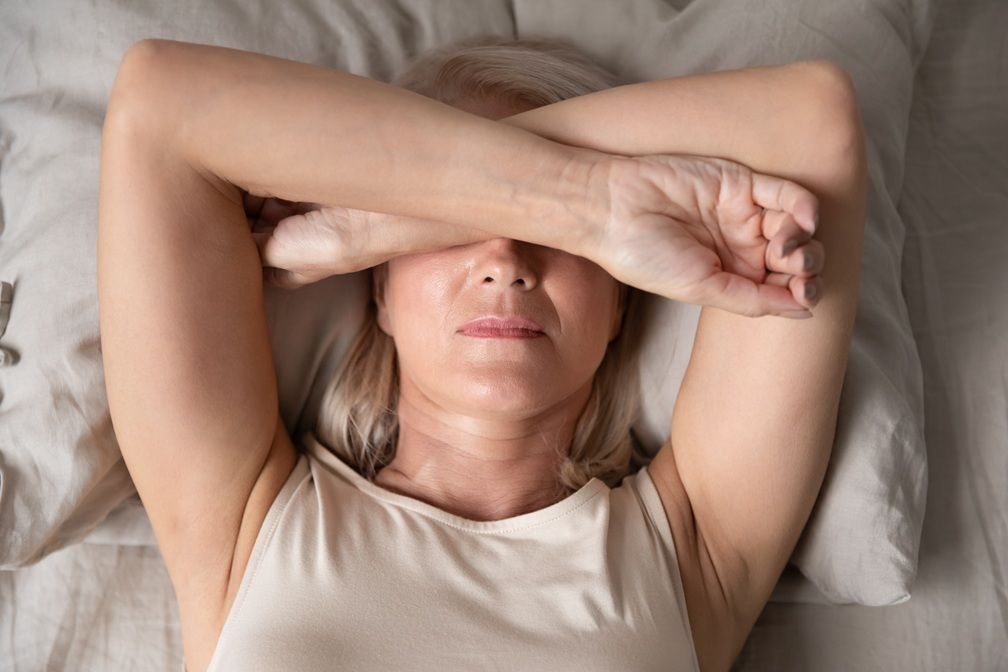
‘The images that we’ve traditionally been given by the media are of women in their late 60s and early 70s, which makes menopause feel endless. We need to represent women as they actually are. We have to show women in their 40s going through the menopause. Fabulous, amazing, intelligent, capable women in industry, in their community and in their families. I guarantee if you go into any place of work, you will meet women who are doing amazing things and not realise they are also managing their menopause.’
Kate is spot on. All the images I see show women overheating, forgetting words or being too embarrassed to speak up for fear of getting brain fog. Of course, these things may happen occasionally, but they happen alongside a clarity of purpose and a strengthening of resolve. Far from fading and becoming invisible, the women Kate sees daily are powerful, sexy, vibrant, wonderful women, with a strong sense of justice and an unstoppable force about them. Post-menopause women are not little old ladies, but women in their prime. Kate confirms this: ‘So much that matters is done by post-menopausal women because, suddenly, they are very aware of what matters and these women change people’s lives. They make an impact on society.’
Kate’s advice? Stop looking at a list of symptoms that you may never get and start looking for inspirational post-menopausal women. ‘Once you look, you can’t unsee them. These women are out there and everywhere. You see fabulous women everywhere in real life, so turn away from stereotypes and look around.’
I left my conversation with Kate feeling more confident and, dare I say, even a little bit excited about the menopause and what follows. If you’ve also been feeling overwhelmed and meno-panicking, then here’s my advice to you.
1. Carefully manage your information sources. Posts and reels can feel useful but unless they are giving you the full picture, these small snippets can add to your confusion and worry. One research-based article is worth a hundred vague Instagram posts so restrict your information to that which you find helpful and informative and unfollow the rest.
2. Seek inspirational women and talk to them about their experiences. You’ll find they are as varied as any other aspect of women’s health and talking it through can allay fears. A friend I really relate to told me honestly about her menopause, and I found it enormously reassuring. Honest conversations about many varied experiences give you the full range of what to expect and normalise how you feel.
3. Don’t borrow trouble. Tune into your body as it is now and monitor any changes, rather than worry about all the things that may, or may not, happen in the future. Look at what supports your mental health right now, such as eating healthily, exercising and sleeping well. Engage in a healthy present-you and future-you will thank you.
4. Remind yourself that menopause is temporary and there will come a point where your hormones will tip in your favour.
5. Plan for the post-menopause you. What would you do with renewed clarity of purpose and passion? What would you focus on without the emotional weights and fears that held you back in previous decades? Start seeing menopause as a starting block not an end point. The second phase begins where menopause ends and we should have our goals and aspirations in mind for our 50s, 60s and 70s in the same way we did for our 20s, 30s and 40s. Menopause is not the end, it is the very beginning.