You’re not imagining it — modern life really is making us more anxious
 Sally Saunders
A major new study has found nearly 1.2 billion people worldwide are now living with a mental health condition. Experts say modern life may be reshaping our emotional wellbeing in ways we’re only just beginning to understand.
If you’ve spoken honestly with almost anyone lately — over coffee, in the supermarket queue, at the school gates or late at night over WhatsApp — chances are you’ve heard the same quiet confession: “I’m exhausted.”
Not just physically tired, but emotionally depleted. And according to a major new global study, that feeling may be more than anecdotal.
Research published in The Lancet has found that nearly 1.2 billion people are now living with a mental health condition. That’s almost double the number recorded in 1990. Anxiety and depression, in particular, have risen sharply in the years following the COVID-19 pandemic.
Why anxiety and depression are rising
Experts say the rise reflects not only the lingering emotional impact of the pandemic, but also deeper pressures woven into modern life. Things like financial insecurity, loneliness, social division, burnout and constant digital stimulation.
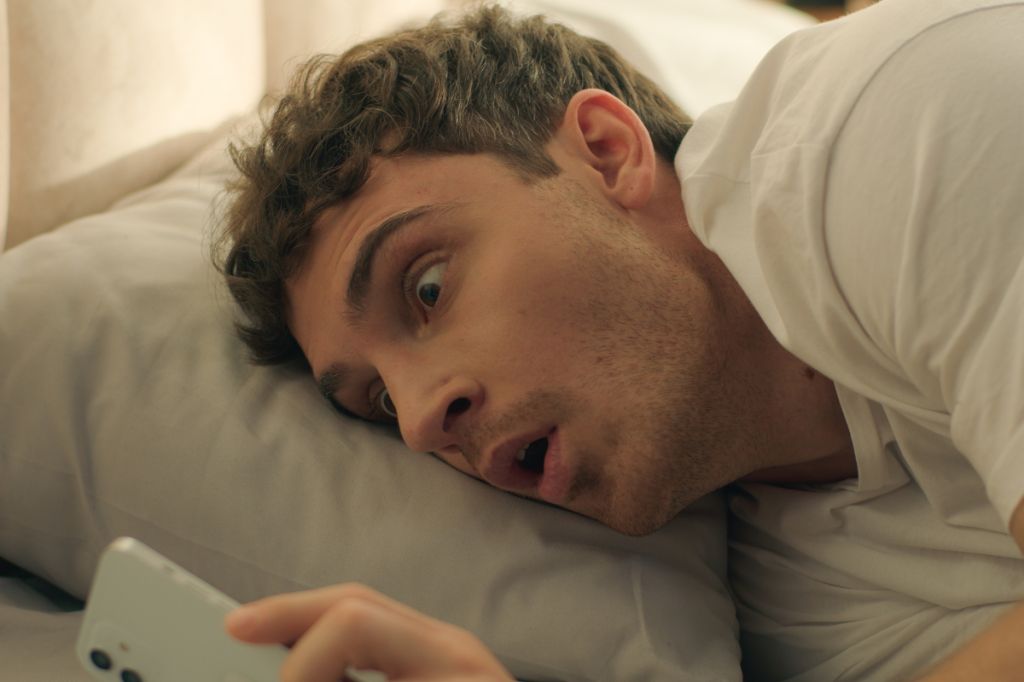
Despite being more connected online than ever before, many people report feeling increasingly isolated. We’re also suffering emotional overwhelm, and feeling disconnected from meaningful relationships and community.
Recovery coach Elizabeth Walker believes many of us are now living in a state of chronic overstimulation. “Our dopamine baseline gets so high that it becomes difficult to feel satisfied or content with ordinary life,” she explains. “We’ve created an environment of instant gratification. The world around us isn’t going to slow down — so we need to learn how to slow ourselves down.”
Walker works with people recovering from substance use, codependency and behavioural addictions. She says modern coping mechanisms are increasingly driven by compulsive digital habits.
“Social media, gambling, pornography, constant scrolling — they all trigger the same reward pathways,” she says. “The difficulty is that technology is now woven into everyday life. That makes these behaviours much harder to step away from than something like drink or drugs.”

The hidden toll of our inner dialogue
While conversations around mental health have become more open in recent years, many people still live with relentless self-criticism internally. Walker believes mental wellbeing is deeply shaped by the relationship people have with themselves.
“If the relationship I have with myself is not kind, it’s going to be a really uncomfortable and unpleasant journey,” she says. “When our inner world starts speaking to us with compassion instead of judgement, we create a much nicer place for ourselves to live.”
For some, anxiety appears physically through racing thoughts, insomnia or nervous-system exhaustion. For others, it shows up as emotional numbness, irritability, burnout or the persistent sense that everyday life has become harder to navigate.
Why teenagers are among the hardest hit
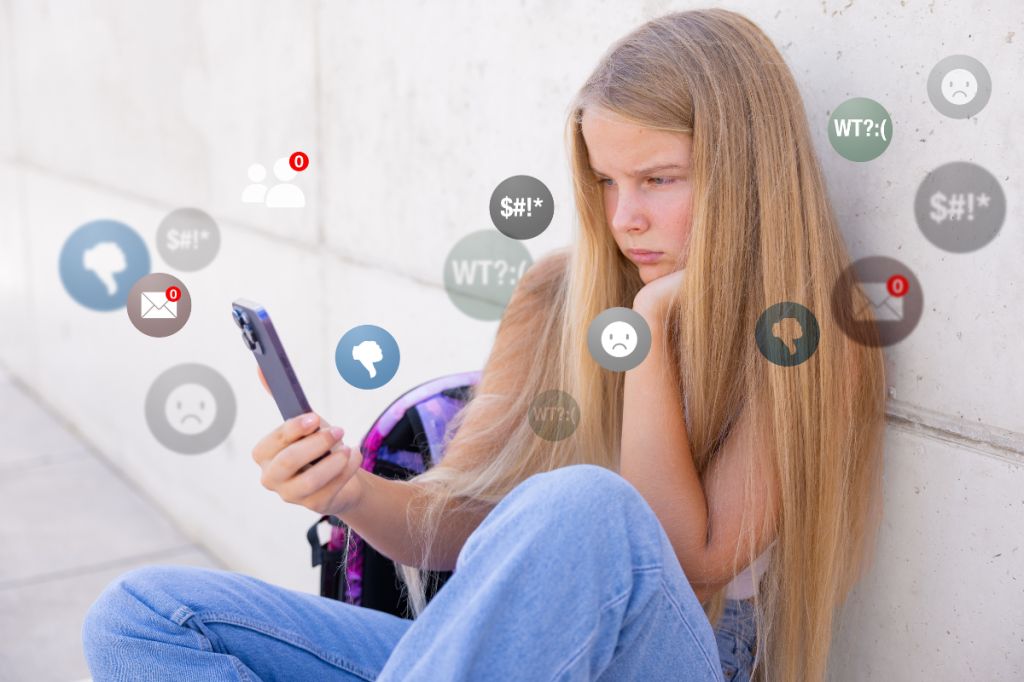
One of the study’s most sobering findings is the impact on young people. Researchers found that mental health challenges peak between the ages of 15 and 19. This is a critical developmental period that shapes identity, confidence, relationships and future wellbeing.
Today’s teenagers are growing up in an environment of constant comparison and performance. Alongside academic pressure and fears about the future, many have also spent formative years immersed in social media and digital stimulation.
Walker believes the effects are becoming increasingly visible. “We’re raising dopamine levels constantly,” she says. “When young people become used to instant stimulation, it can become harder to tolerate boredom, stillness or slower forms of reward.”
She says many parents are now trying to consciously reduce digital overstimulation at home.
“We need to go back to basics a little bit. Reading physical books, walking, cooking meals, having conversations, spending time outside. Real connection regulates us differently.”

The role of hope in mental wellbeing
While the findings paint a stark picture, experts say emotional resilience is still possible. This is particularly the case when people feel connected, supported and able to find meaning in difficult experiences.
Walker believes hope plays a crucial role in mental wellbeing. She warns, though, against toxic positivity or pretending life is easy.
Instead, she describes trying to live with a sense of “pronoia” — the opposite of paranoia.
“Paranoia is believing everything is working against you,” she says. “Pronoia is the idea that life might actually be working for you.”
Looking back on her own struggles with addiction and recovery, Walker says even painful experiences can lead somewhere important.
“If I focus only on what’s wrong, I’m going to feel afraid all the time,” she says. “But if I focus on what’s real in my own life — connection, gratitude, the people around me — I experience life very differently.”

Learning to slow down
Mental health experts increasingly believe emotional wellbeing is shaped not only by therapy or healthcare, but by the conditions people live in. That might be rest, safety, connection, financial stability and community.
Walker says many people are now having to consciously “retrain” themselves away from constant stimulation and toward slower, healthier forms of comfort.
“We need to start pursuing happiness rather than pleasure,” she says. “Real happiness comes through connection, gratitude, movement, laughter and feeling present in your own life.”
In many ways, the new research feels less like a surprise and more like confirmation of something people have sensed quietly for years.
Life has become emotionally harder to navigate. But perhaps there is also comfort in recognising that if you’re struggling, you’re not alone.
Words: Sally Saunders, Images: Shutterstock