
Nostalgia: Can revisiting cherished memories enhance wellbeing?
From looking at old photos of loved ones to hearing a song from your youth or catching a scent reminiscent of childhood, nostalgia can conjure up powerful emotions. But is taking a trip down memory lane actually good for us? We ask the experts.
By 
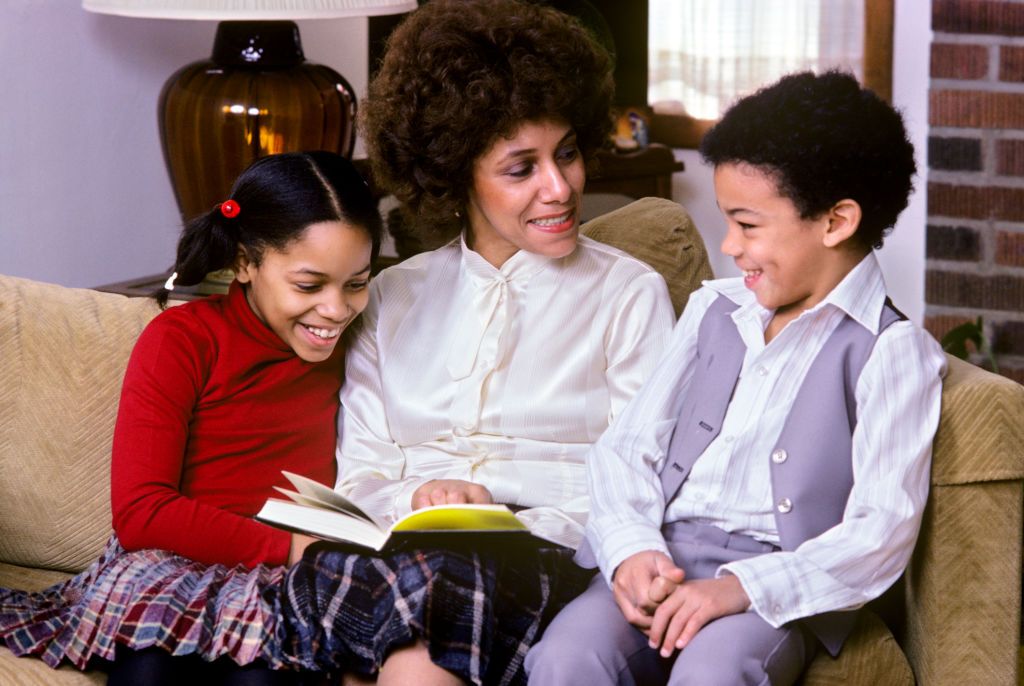
From looking at old photos of loved ones to hearing a song from your youth or catching a scent reminiscent of childhood, nostalgia can conjure up powerful emotions. But is taking a trip down memory lane actually good for us? We ask the experts.
Pics: Getty Images
While I didn’t particularly enjoy my school days, the sweet, candy-like smell of an eraser can instantly transport me back to the classroom. The scent of Chanel No. 5 reminds me of my mother, while the mere mention of Pac-Man has me reminiscing about my childhood, when I would play it on repeat.
Nostalgia often fills me with happiness, but it can also be bittersweet. When I look at old photos of my now three adult sons as babies, for example, I find myself longing for those days.
So why do certain smells, songs, photographs and objects have the power to transport us back decades? And can reconnecting with memories from the past benefit our wellbeing – or can nostalgia sometimes hold us back?
Why nostalgia can make us feel good
According to psychologist Dr Carolina Estevez, nostalgia can play an important role in reminding us of who we are and where we’ve come from.
“Nostalgia promotes wellness through reconnecting individuals to past events that fostered feelings of identity, belonging and continuance. A song, photo, smell, or family tradition can serve as reminders that one’s life has more to offer than the struggles being experienced at this time.
“As such, nostalgia provides an emotional link between who we were, who we are today, and what still matters to us,” she explains.
These feelings may be particularly valuable when we’re experiencing difficult periods in our lives.
“When nostalgia is healthy, it will leave a person feeling comforted, connected or motivated to reach out to others. Healthy nostalgia may have value for people during times of loneliness, transitions, grieving or uncertainty.”
But there can be a downside.
“When nostalgia becomes unhealthy, it does so when the individual begins to idolize the past. Therefore, the present is never good enough.”

Why a familiar smell can transport you back decades
Like my experience with the smell of an eraser, psychologist Dr Cynthia Shaw says seemingly ordinary sensory experiences can unlock surprisingly vivid memories.
“Smells like these transport you back to your first-grade classroom. Or perhaps you eye a pair of bell-bottom jeans, somehow making a comeback, instantly reminding you and your friends jamming out in your parents’ basement in the ’90s.
“A wave of nostalgia washes over you, a bittersweet blend of warmth and longing, admiration for a life once lived, and quiet grief in realizing that chapter has long since passed.”
While nostalgia can bring up conflicting emotions, Dr Shaw says that, for many people, the overall experience is a positive one.
“While nostalgia is often a blend of emotions, it is, for many, experienced as something deeply fond. Nostalgia helps us reconnect with a past version of ourselves, remember a distinct moment in our life, and reflect on the journey and path we’ve taken to get to where we are currently.
“It’s often a point of deep reflection, self-connection, and appreciation.”
Don’t push away bittersweet memories
Nostalgia isn’t always comfortable. Memories of a loved one who has died, a relationship that’s ended or a period of life we desperately miss can bring sadness alongside happiness.
Rather than immediately pushing those feelings away, Dr Estevez suggests allowing yourself the space to experience them.
“Notice how the nostalgia is sitting with you and reflect on the memories, emotions, thoughts, and somatic moments you are having in real time.
“Is nostalgia calling you to appreciate the growth you’ve made? Is the nostalgia asking you to pause and remember the time you laughed so hard you peed? Or, is the nostalgia pointing to your current lack of life satisfaction, a quiet message that we might need to make a different choice?”
Instead of simply viewing uncomfortable emotions as negative, she suggests considering what they might be telling you.
“Emotions, I like to think, are windows into our soul, and if we make some space to hear them, they can elicit insight, further self-understanding, and guidance as to how we want to live.”
Could nostalgia help older people with depression?
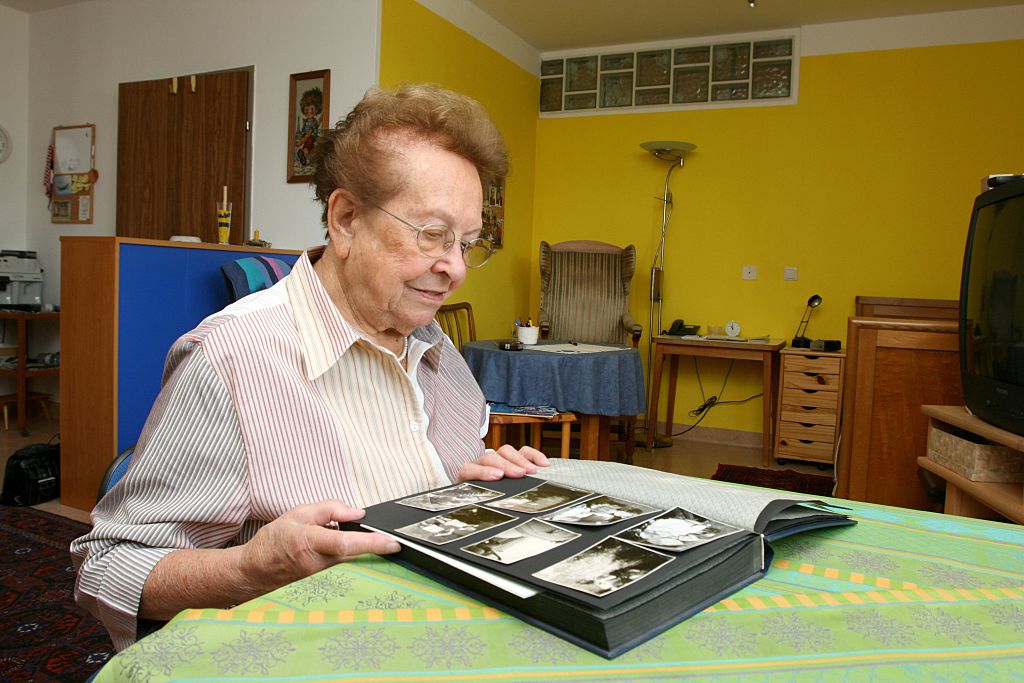
Clinical social worker Whitney Willborn, whose work combines clinical expertise with community initiatives to expand mental health awareness, points to research suggesting that certain forms of reminiscence could be beneficial for older adults.
“Recent studies have shown nostalgia to be a mixed emotion that can be positive when memories are recalled on request, as the memories we tend to recall nostalgically in these settings are generally more positive memories,” she explains.
“There is, for instance, some evidence that what is called ‘reminiscence therapy’ can help to reduce depression in older adults.
“These kinds of guided and specific reminiscences can help provide an immediate sense of comfort while also helping the person feel a grounded and holistic sense of their identity through time.”
However, deliberately recalling a positive memory may be quite different from the nostalgia that unexpectedly strikes us in everyday life.
When nostalgia can become unhealthy
Whitney warns that nostalgia isn’t automatically good for our wellbeing.
“Highly nostalgic individuals tend to view life more negatively overall, particularly as their nostalgia is elicited by environmental cues rather than by request. This would seem to indicate that those nostalgic events we recall in day-to-day life tend to be more negative than those we recall when cued to provide nostalgic memories,” she says.
The danger can come when nostalgia becomes a way of retreating from an unsatisfying present.
“Nostalgia that is elicited in response to present anxiety or dissatisfaction can become an unhealthy coping mechanism. In some cases, it can lead individuals to develop a more fatalistic view of the future through constant comparison with an often idealized past.”
Our memories can also present us with a rose-tinted version of what life used to be like.
“Though nostalgia can be a comforting sensation that provides benefits in moderation, it’s important for people to be aware of the human tendency to idealize our past selves and circumstances, and to notice when they are making unfair, unrealistic comparisons between past and present circumstances.”
Is loneliness making us more nostalgic?
Educational psychologist Dr Sasha Hall believes there could be another reason nostalgia feels particularly relevant today: loneliness.
“I feel that nostalgia is not becoming popular because the past was better, but because modern life is making genuine connection harder to find and more people than ever are lonely,” she explains.
Research has suggested that nostalgia can increase feelings of social connectedness, meaning and optimism – making it potentially valuable when we’re feeling isolated.
“I often describe it as an emotional anchor. It reminds us of the people, places and experiences that have shaped who we are, helping us feel more grounded when life feels overwhelming.
“I believe that nostalgia is not an escape from reality, but an opportunity to reconnect with the parts of ourselves that feel most authentic and carry those feelings into the present.”
Why modern life may leave us longing for the past
Our increasingly digital lifestyles could also help explain why so many of us enjoy revisiting simpler moments from our past.
“I also think there is a wider societal story here,” says Dr Hall. “We live in a culture of constant notifications, comparison, productivity and information overload.
“We are surrounded by worrying headlines and are encouraged to keep striving for what comes next. In doing so, we can lose sight of the everyday moments that make us feel connected.”
Perhaps that’s why an old photograph, a favourite childhood song or even the smell of an eraser can feel so powerful.
Nostalgia doesn’t necessarily mean believing that life was better in the past. At its healthiest, it can remind us of the people, experiences and versions of ourselves that helped shape who we are today.
The key appears to be enjoying those memories without allowing an idealised past to overshadow the present. A trip down memory lane can provide comfort, connection and perspective – as long as we’re still able to find things worth looking forward to in the road ahead.