
Dead Zoning: 5 remote wellness travel trends for 2027 for best mental health
Discover Dead Zoning, the digital detox travel trend for 2027, with five remote destinations offering nature, adventure and a chance to switch off.
 Alison Graves
Pics: Reclaim Yourself Retreats
Travelling somewhere remote enough to force a genuine break from technology, called Dead Zoning, is the newest wellbeing travel trend.
UK Google searches for ‘digital detox’ have risen 100% in the last year and there are five new 2027 trends emerging for destinations said to be ‘the ultimate’ in mental wellbeing boosting, with one unexpected location.
The destinations are driven by a cultural shift away from sightseeing and towards nervous‑system reset, digital detox and awe‑led experiences and include wild and remote places from the Gobi Desert to Hokkaido’s volcanoes.
‘Dead Zoning’ is the act of deliberately travelling somewhere remote enough, and inspiring enough, to force a genuine detox from technology and the pace of everyday life. Research has also shown time in wilder locations is linked to lower cortisol, better sleep and reduced stress, with benefits seen after just 20 minutes in nature.
As screen time climbs and ‘always-on’ culture becomes the norm, travellers are increasingly choosing destinations where connectivity is limited and the landscape takes over instead.
Jools Sampson, founder and CEO of Reclaim Yourself Retreats said, ‘I think the appeal of being somewhere really wild and remote isn’t just about whether you can get online. It’s about what happens when you stop wanting to be on your phone. On our retreats, people naturally stop reaching for their phones. They’ll leave them in their room for the day and realise they haven’t even thought about them.
‘When you’re somewhere like the Gobi Desert or up in the mountains in Kyrgyzstan, you become so absorbed in what’s around you that you’re not constantly being pulled into your feed and all the noise that comes with it. There’s something really freeing about that.
‘And I think that’s the reset people are looking for. Not just a holiday, but a chance to properly switch off for a while.’
Reclaim Yourself Retreats has built its whole business around this instinct: small groups, remote places, nothing manufactured. ‘One of the best things about launching our 2027 retreats has been seeing how excited people are about some of the less obvious places,’ said Jools.
‘Our first Kyrgyzstan retreat sold out so quickly earlier this year that we’ve already added a second for 2027, which has been brilliant to see. I’m especially excited about what we’re doing in Mongolia next year. We’ll be flying into the Gobi in a tiny Cessna plane and then being met by camels to take us to camp. How cool is that? Not many people get to experience something like that!’
Reset with remote wellness in 2027
Each retreat combines exceptional yoga teaching, adventure and immersive cultural experiences in pioneering, off‑the‑beaten‑path destinations. Every itinerary is designed to help guests step out of the noise of modern life and reconnect with themselves, with nature and with a wider sense of perspective.
Mongolia’s Gobi Desert, an otherworldly landscape for awe and reset
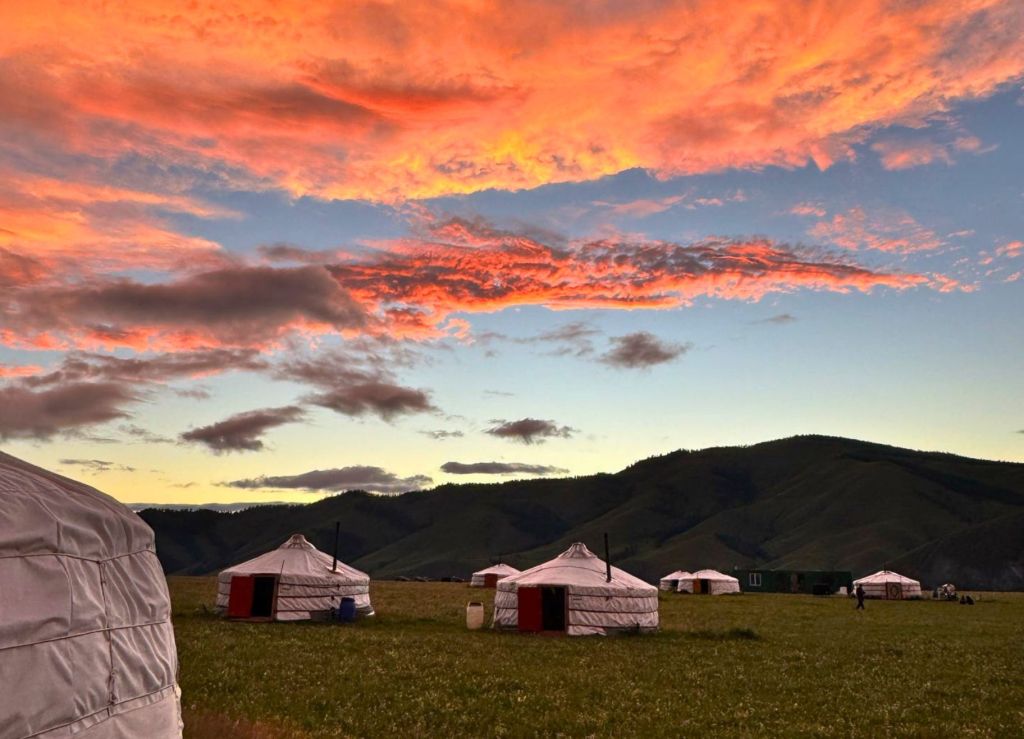
Mongolia is one of the last truly empty places left to travel to: vast, remote and untouched by the noise that follows travellers almost everywhere else. It’s exactly the kind of scale and silence more people are chasing for 2027, somewhere too big and too quiet to keep thinking about everyday life.
Fly into the Gobi aboard a private Cessna Caravan, landing on the treeless steppe near Ikh Nart before travelling north to camp in the rivers and forested valleys of the Khan Khentii wilderness. Days are spent hiking with local herders, exploring ancient burial sites and gathering for a campfire dinner beneath a sky untouched by artificial light. The ultimate in Dead Zoning.
Kyrgyzstan, high altitude solitude in the roof of the world
More than 90% of Kyrgyzstan is covered by mountain ranges, creating exactly the kind of high-altitude, low-density landscape travellers are increasingly seeking out over conventional sightseeing.
Spend four nights beside Son Kul Lake at over 3,000 metres, where days are spent hiking, swimming in the lake and warming up in a traditional steam room. Along the way guests meet nomadic families, master yurt makers and a traditional eagle hunter.
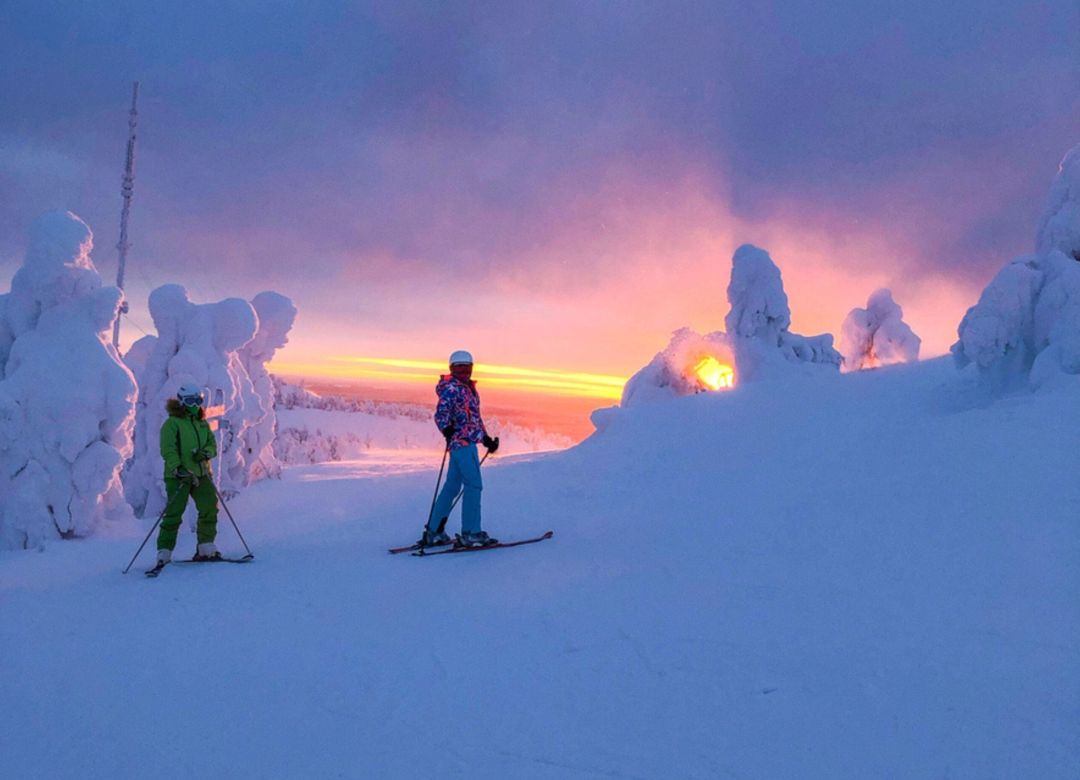
Finnish Lapland, deep winter in the Arctic wilderness
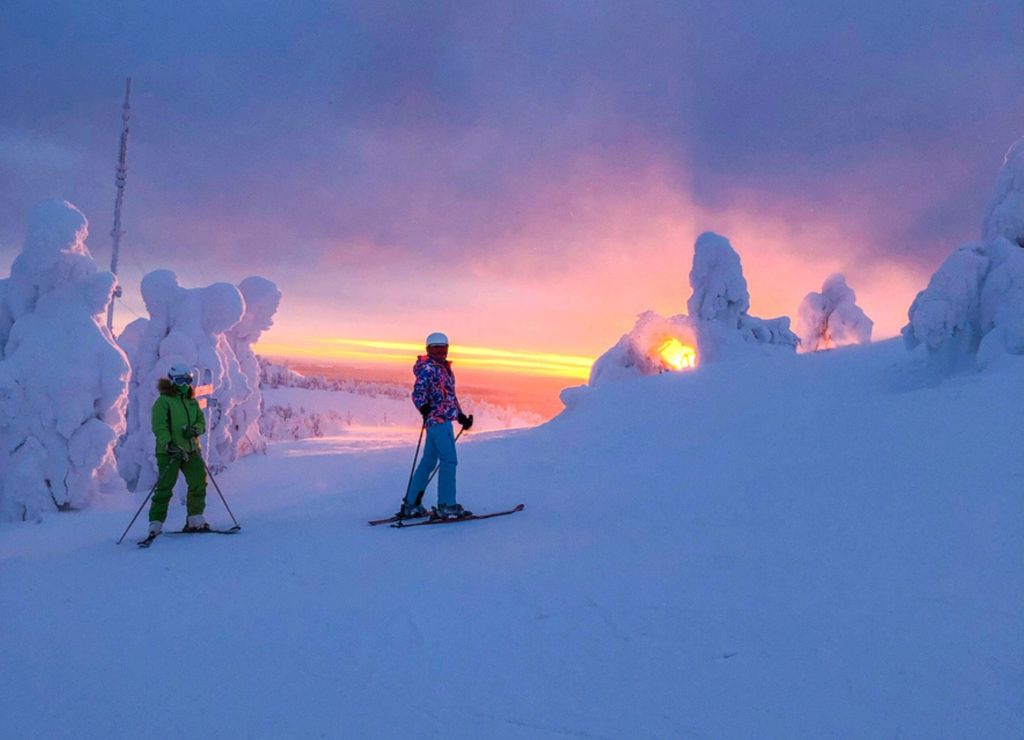
Long winter nights, snow-covered forests, frozen lakes and vast Arctic skies make Finnish Lapland a natural fit for travellers looking to step away from the pace of everyday life. And with strong aurora activity expected through the 2026–27 winter, it’s also one of the best remaining windows in the current solar cycle for a chance to see the Northern Lights.
Spend time above the Arctic Circle with days built around yoga, snowshoeing through silent forests, husky sledding and wood-fired saunas followed by icy plunges beside a frozen lake, with the chance to see the Northern Lights overhead.
India’s tea hills, sacred cities and Diwali
From tea covered hills to the ghats of the Ganges, this route takes travellers through a side of India defined by colour, contrast and immersion rather than a checklist of sights.
Travel from Kerala’s tea plantations to the backwaters of Lake Vembanad, then on to Varanasi, arriving during Diwali as thousands of lamps light the river at nightfall. The journey ends in Old Delhi, reached by an overnight sleeper train alongside regional food, markets and temples along the way.
Hokkaido, Japan at its wildest
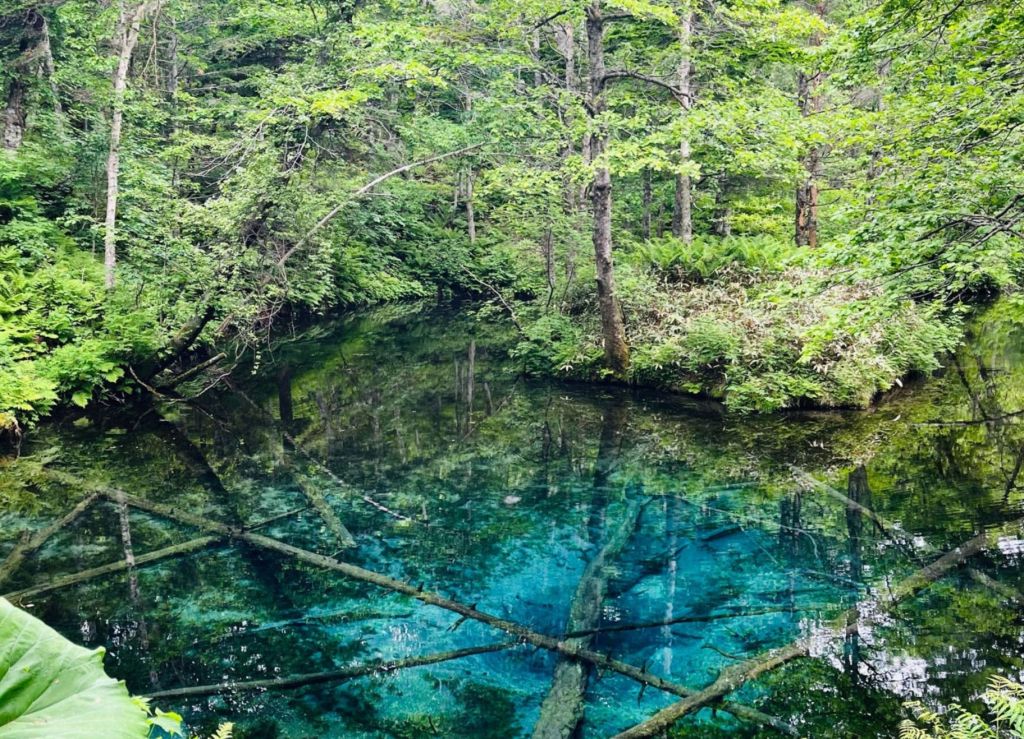
While most visitors to Japan cluster around Tokyo and Kyoto, head north into East Hokkaido, one of the country’s wildest and least visited regions. The journey travels from Kushiro Shitsugen, Japan’s largest wetland, to the volcanic waters of Lake Onneto and the geothermal landscapes near Akan Mashu National Park, finishing on the UNESCO listed Shiretoko Peninsula. Yoga sessions run throughout, alongside traditional onsens and guided walks through some of the most remote wilderness in the country.