Why you might be avoiding family photos as you get older – and how to feel more comfortable being seen
You organise the occasion, gather everyone together and take the pictures. But how often are you in them? If being photographed has become uncomfortable, there are gentle ways to feel more at ease without having to love every image.
By 

Scroll through your family photographs and you can probably piece together a busy, affectionate life. There are birthdays, walks, lunches and holidays, along with ordinary afternoons you’re glad someone thought to capture.
But look a little more closely. Where are you? Perhaps you’re the designated photographer, reminding everyone to move closer and making sure nobody is hidden behind someone else. When somebody offers to take your place, you wave them away. You haven’t done your hair. You’re wearing the wrong thing. You’ll join the next one.
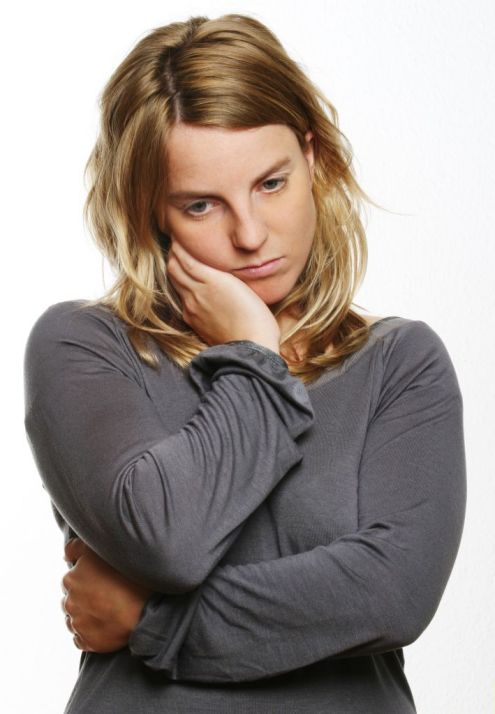
Sometimes, taking pictures is simply a role we enjoy. At other times, staying behind the camera offers relief from being seen. And when you do appear in a photograph, you may find yourself studying your face or body so closely that you barely notice the moment around you.
When the photograph feels unfamiliar
“Sometimes, our internal image of ourselves and the reality of aging don’t match up,” Katie Rose, Founder and Clinical Director of TherapEast tells Psychologies.
A photograph can catch us unprepared. We might feel much the same as we did years ago, then see an image that doesn’t quite fit that familiar sense of ourselves.
Rose explains that this can bring “a sense of loss, of time moving on or running out”. The discomfort may reach beyond whether we like our expression or the angle of the camera. It can touch on how we feel about change, identity and growing older.
For women, she believes, expectations about appearance can make this particularly difficult. “We’ve been taught that our value is based on appearance, and in recent years, social media has reinforced this,” she says.
Recognising that pressure can help you approach your reaction with more understanding. You don’t need to criticise yourself for finding a photograph difficult, or insist that you suddenly feel delighted by every image.
It may be enough to notice what you’re asking of yourself. Does a family photograph have to show you looking your best before you’re willing to be part of it?

Look at the moment around you
Rose suggests gently widening your attention from appearance to the experience being recorded: being present with people you care about and participating in their lives.
That doesn’t mean dismissing sadness about getting older. You can acknowledge those feelings while also noticing the child leaning against you, the friend whose story made you laugh or the afternoon everyone finally managed to get together.
“Try to shift your focus away from the things you can’t control, like aging, and onto the things you can, like spending quality time with your family and friends,” she says.
You might also consider how you look at photographs of people you love. Perhaps you notice your grandmother’s familiar expression or remember how your father always stood with his hands in his pockets. Those details carry affection and recognition.
Allow for the possibility that someone looking at your photograph will see you with that same warmth.
Make the next step manageable
Avoiding a photograph may bring immediate relief. Rose describes how avoiding uncomfortable feelings can also pull us away from experiences we want to have.
That is an invitation to be curious, rather than a reason to force yourself into every group shot. Are you happily choosing to take the pictures, or wishing you felt able to join in?
If you would like to appear more often, start with something manageable. Ask someone you trust to take one photograph during a quiet moment. Choose a setting where you feel comfortable, perhaps sitting beside a friend or doing something together.
You can decide to keep an image privately without posting it, framing it or examining it immediately. Being in a photograph doesn’t require you to make it available to an audience.
Over time, you might practise noticing something beyond your appearance before deciding whether you like the picture: what was happening, who was there and what you want to remember.
An invitation should leave room for choice
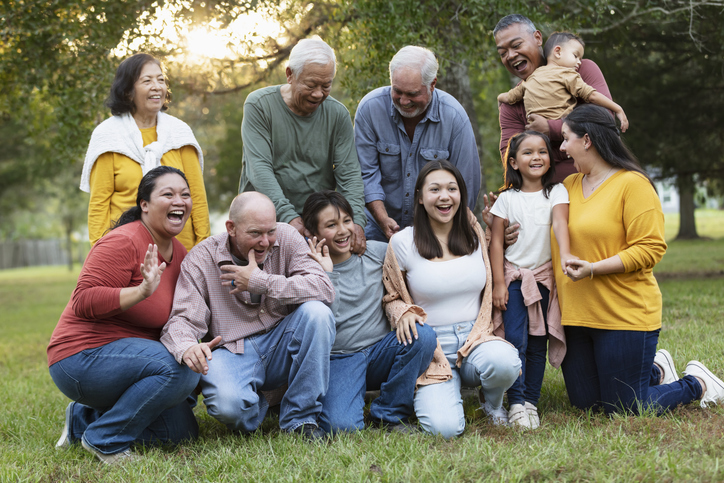
Families can help by making photographs feel less pressured. “‘Just get in the picture’ communicates frustration, and lacks any patience or understanding,” says Rose.
A quieter invitation gives someone space to respond, ask whether they would like to join, offer to take the photograph somewhere comfortable and respect their answer. Rose also recommends promising that images won’t be shared without permission, then keeping that promise.
If discomfort about photographs is part of a wider struggle with confidence or self-worth, she suggests talking it through with a counsellor.
There is no need to aim for a perfect portrait, you might simply choose to appear in one small moment you would otherwise have photographed for everyone else.