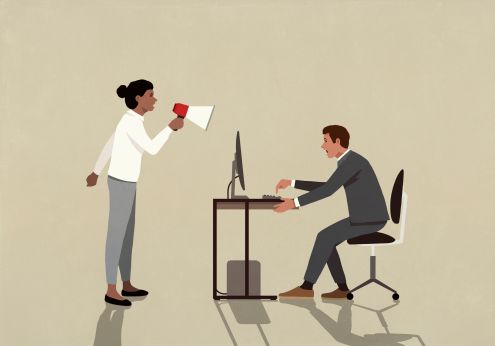
Change fatigue: why constant workplace change is damaging your wellbeing – and how to cope
Whether it's navigating AI or another restructure, the one constant in the 2026 workplace has been change. Employees are expected to deal with uncertainty and disruption, alongside adapting to an increased workload - so it's no wonder that many workers are suffering what is now known as ‘change fatigue’.
 Alison Graves
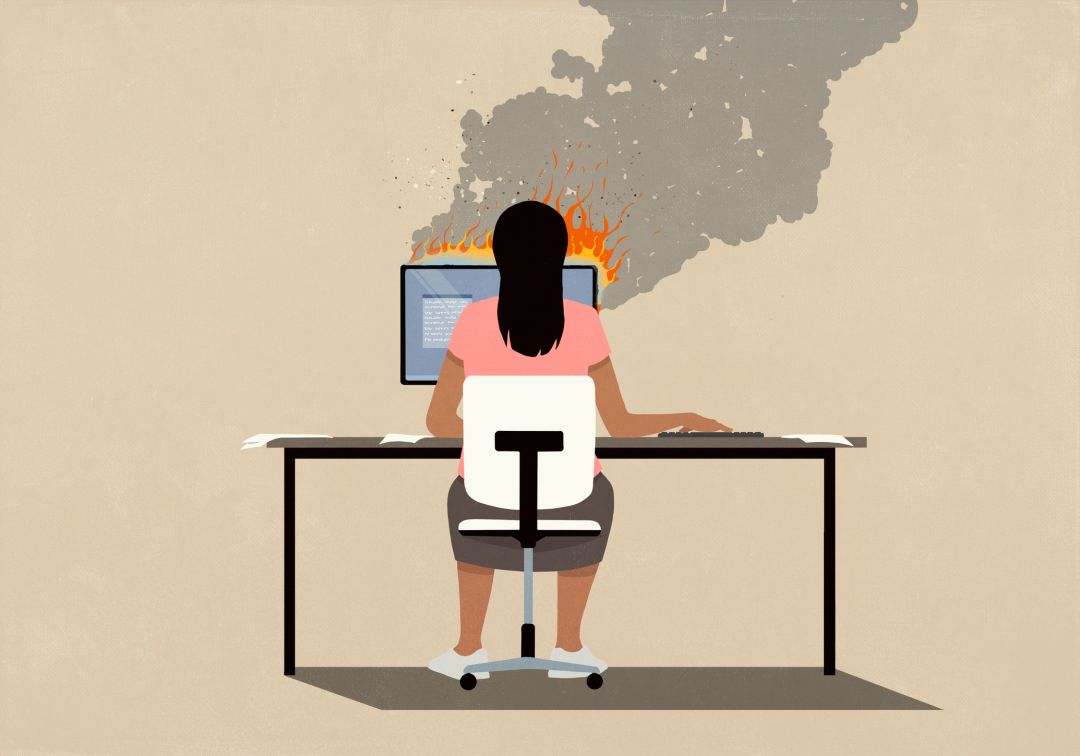
Whether it’s navigating AI or another restructure, the one constant in the 2026 workplace has been change. Employees are expected to deal with uncertainty and disruption, alongside adapting to an increased workload – so it’s no wonder that many workers are suffering what is now known as ‘change fatigue’.
One in three workers have gone through more than 15 major changes in the past year alone, according to the recent Deloitte 2026 Global Human Capital Trends study. But needing to adapt to constant change at such speed is having a negative effect, with 68% of employees experiencing a drop in their wellbeing and 50% feeling less engaged.
What is change fatigue?
Dr Emma Georgiou, leadership coach at Emma Georgiou Coaching, said: “Change fatigue affects people when they’ve endured too much change for too long, and not had a moment to catch their breath. It’s rarely about one big project, and more often it’s when three or four things land at once from different parts of the business, on top of the day job. One common thing I hear from people I work with is them saying, ‘I’m flat out, but still getting nowhere.’”
What it might look like in a team
Dr Emma, who specialises in areas such as career advice, workplace resilience, leadership development and burnout, said: “The symptoms of change fatigue can easily be misinterpreted. You might find that meetings become quiet and flat, with no questions being asked, and no ideas being offered.
“Leaders can easily misinterpret the silence as thinking that everyone is on board, but actually, people have just switched off. Everyone’s thinking, ‘Here we go again,’ or there’s eyerolling that means the same thing, especially from teams who’ve repeatedly watched schemes be launched and then dropped.
“Employees still do the job, but nothing extra. Staff do the minimum, because all the goodwill has been sapped out of them.
“You might start to see more mistakes, with tasks taking longer, deadlines slipping and people sticking with the old system or finding workarounds. The root problem is that people used to feel good at their job and now they don’t, and that does a lot of damage to the business culture.
“It’s often the really conscientious employees who struggle first, because they’re trying to keep on top of everything.”

How it affects health
The constant changes will undoubtedly wear you down, said Dr Emma.
“And it shows up physically as well as emotionally. You’ll find that more people are off sick as they struggle with being overwhelmed and the stress gets to them.
“When you run on empty for long enough, the basics go first. People stop looking after themselves and don’t make time for going to the gym, taking a walk or de-stressing.”
What leaders can do
Plenty. Talking and actually listening are key.
“Talk to your people, ask how it’s going and genuinely listen. Try not to jump straight in with explanations, as people can tell if you’re listening only so you can deliver your own predefined narrative.
“Admit that the situation has been intense and tell them you’re feeling it too. Explain why it’s happening and what it means for them, not just what the business gets out of it.”
And it’s vital that honesty is at the core.
“If you don’t know something yet, say so, as people would much rather hear ‘we haven’t decided yet’ than nothing.
“Keep updates short and regular, as one big email followed by months of silence is no use to answer. You want to have a conversation with staff, not just broadcasting a monologue at them, so be open to questions.
“The big one for me is asking what can come off people’s plates while they get used to the change. Bosses are notorious for always adding things, but hardly ever taking something away. Park or delay the less important stuff if you can and allow for things to dip for a bit while people learn something new. Small things can help, like reducing the number of meetings in the week that a new system goes live.
“Say thank you when things go well, and let one change settle before the next one comes in. And make it OK for people to say, ‘I’m at capacity.’”
Leaders struggle, too
“Spare a thought for leaders, because they experience it twice,” said Dr Emma. “They’re going through the change themselves and having to sell it to their team, often before they’ve got their own head round it. Middle managers especially are squeezed from above and below.
“A lot of leaders feel they must be upbeat and have all the answers, so they don’t let on they’re struggling too.
“Watch yourself for working longer hours, feeling snappy or flat, not being able to switch off, dreading the next announcement and going through the motions in your own updates.”
Tips for leaders
“Give yourself a bit of time to process it before you present it. It’s fine to tell your team you’re finding it a lot too, because you don’t have to have all the answers.
“Have somewhere to offload that isn’t your team, whether that’s a peer, a mentor or a coach. Leaders too often have nowhere to take this stuff. It also helps to get managers going through the same changes talking to each other, so they can swap what’s working and realise it’s not just them.
“Push back when you need to. Telling senior people what your team can realistically take on is part of the job. Ask yourself the same question you’d ask for your team: what can come off my plate? And guard a bit of thinking time in your diary. It’s the first thing to go when you’re stretched and it’s what you need most.
“Then there are the basics: having enough sleep, taking breaks and getting outside. They’re the first things to go.”