Is your relationship toxic – or is your partner actually a psychopath?
They're charming, attentive and seemingly besotted with you. Then the put-downs begin, your confidence disappears and you find yourself walking on eggshells. But what if the person you're in love with has a much darker side? We explore the psychology of toxic relationships, psychopathic traits and why it's so difficult to walk away.
 Sally Saunders
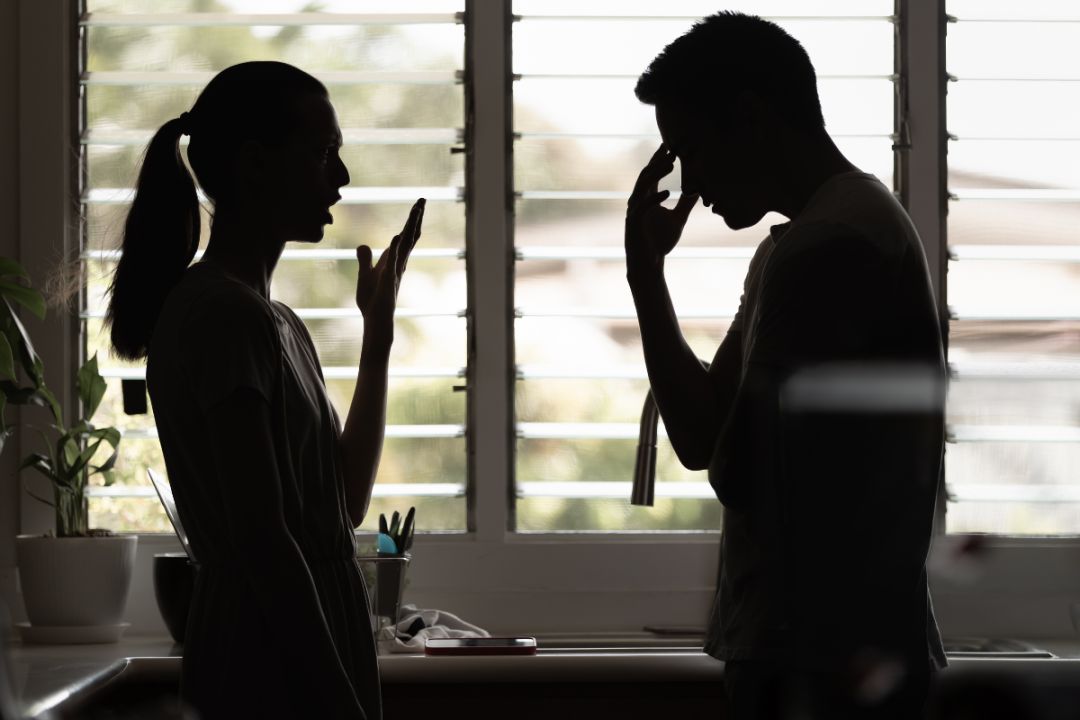
At first, they seemed perfect. They listened, remembered everything you said, made grand romantic gestures and appeared to understand you like nobody else. Then something shifted. Affection became conditional, compliments turned into criticism and somehow every argument ended with you apologising.
Could you be in a toxic relationship – or are you dealing with someone who has psychopathic traits? Cognitive psychologist Emma Kavanagh, author of The Psychopath Effect, says psychopathy isn’t necessarily the cinematic image of a serial killer. Instead, it involves a combination of traits: meanness, boldness and disinhibition.
“The really interesting ones are the ones who are high in meanness and high in boldness,” she explains. “Because now you have somebody who has all the traits that society likes, and they also have low disinhibition. That means they’re very good at masking this high meanness.”
For breakup and divorce coach Sara Davison, author of Screw You, the important thing isn’t the label we give someone, but how they make you feel.
The person you fell in love with
“At the beginning, they will love-bomb us, so we will fall for that,” says Davison. “It’s amazing at the beginning, and then the mask starts to slip over a period of time.”
Toxic individuals can be skilled at identifying what someone wants emotionally and presenting themselves accordingly.
“They’re very good at interviewing you at the beginning. A lot of people go, ‘Oh, there’s a date I went on, and he asked me all these questions. Oh my God, someone’s listening to me for the first time.’ Well, that can be a green flag, but it could also be a massive red flag.”
“If you’ve admitted that you’re frightened of being alone, they’ll promise you’ll never be alone again. If you’ve struggled to feel supported, they’ll offer to look after everything.”
“You fall in love with this, because most of us don’t realise anyone can lie so convincingly and so much. If you’re a highly empathetic, nice-type person, you’re just never going to do that yourself, so you wouldn’t assume anyone else would do that either.”
Why we stay when we know something is wrong
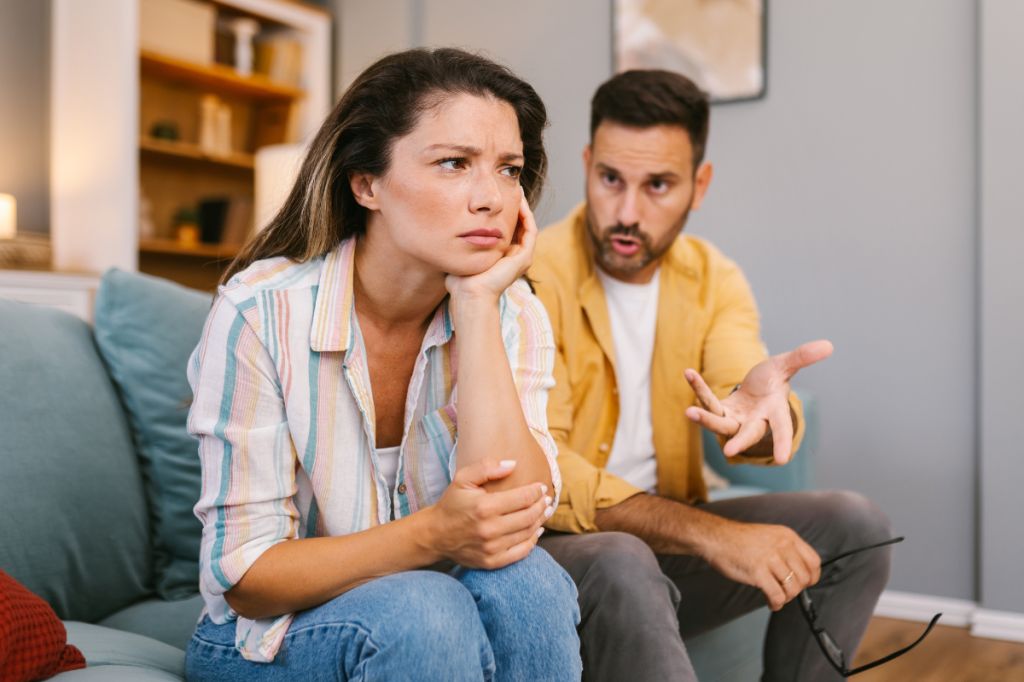
Once they feel confident they’ve secured the relationship, their behaviour can change. But just when you’re ready to walk away, the person who has hurt you can become the person you originally fell for.
“We’re always living in the hope that we’ll get back to that,” says Davison. “In our heads, we know it’s possible, and they do do that from time to time.”
After an incident, they might apologise, become tearful, deny anything happened or suggest you’re the one with a problem.
“We call it trauma bonding in toxic relationships, but we kind of are bonded to the person that’s hurting us because we’ve got those rose-tinted glasses on.”
Davison says healthy relationships shouldn’t involve such extreme emotional highs and lows. “You’ll still get highs and low times, but there won’t be crashes and then real peaks. It’s just more stable, so you always feel safe.”
The red flags hiding in plain sight
Davison suggests starting with a simple question: can you be yourself? “Are you able to say how you feel at any time? Are you able to freely say, ‘I’m not happy with that’ or ‘I didn’t like the way you spoke to me’, without fear of repercussions?”
Other warning signs include lying, gaslighting, isolation from friends and family, and a persistent lack of accountability.
Davison describes the pattern of DARVO – deny, attack, reverse victim and offender – in which someone turns the situation around until you’re apologising for what they did to you.
“In the end, you’re going, ‘Oh my God, I’m sorry if I made you feel bad. I didn’t mean to make you feel bad. I know you’ve had a bad day.’ Then you’re like, hang on, you upset me in the first place. Now I’m apologising.”
Humour can also be used to undermine others. Kavanagh says people with psychopathic traits can specialise in jokes that belittle other people.
“If it upsets you and it feels wrong, it is wrong,” says Davison.
When everyone else thinks they’re wonderful — for a while
Your partner might be charming at dinner parties, generous with friends and popular at work, while treating you very differently behind closed doors.
Davison explains: “They’ll have the people that absolutely adore them and love them, think they’re amazing, as part of their cover. Then they’ll have the people like you who they abuse behind closed doors.”

She also warns that toxic partners can gradually undermine your relationships with friends and family. “At the beginning, they’ll want to impress everybody to get them all on side, because then it’s harder for you to convince them that there’s something not quite right.”
It might start with small comments about a friend, followed by suggestions that your family don’t have your best interests at heart. Eventually, your support network can disappear.
Stop looking at what you want. Start looking at what you need
For Davison, recovering from a toxic relationship involves rebuilding your confidence and learning to trust yourself.
“Our number one human need is love and connection. It’s what we crave. What’s the one thing we’re terrified of when we come out of a relationship? The biggest fear is no one’s going to love us ever again.”
That fear can make people rush into another relationship rather than spend time reflecting on what went wrong.
“Most people know what they want from their partner, because that’s the chemistry. But actually, if you want a serious relationship, you’ve got to live beyond that.
“You can’t wait to be picked. You’ve got to do the picking, because otherwise you’re there for anyone to pick up, and it might be the worst person for you.”
And you don’t need to wait until things become unbearable to leave. “You don’t need to relearn those lessons. You’ve learned them. Bank them, move on.”
Ultimately, you don’t need to establish whether someone is a psychopath to recognise that they’re treating you badly. A diagnosis isn’t a prerequisite for deciding a relationship isn’t right for you.
Sometimes the most important question isn’t what’s wrong with them. It’s whether this relationship is right for you.
Words: Sally Saunders, Images: Shutterstock