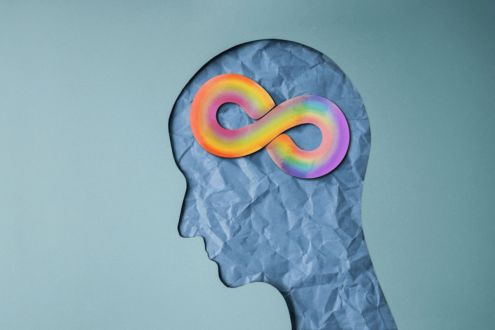
Is your sensitivity more than a personality trait? The difference between HSP and autism, according to a counselor
If you've spent years being told you're ‘too sensitive’, you may be looking for an explanation. Here's what experts say about sensory overload, empathy, and the differences between HSP traits and autism.
 Amy Mica Marsden
Images: Shutterstock
‘Don’t cry, you’ll make me cry!’
If you suddenly got flashbacks to the numerous times you’ve said the same thing before immediately joining in on the tears, then you might be ‘highly sensitive’. That’s what psychologists Drs Elaine and Arthur Aron hypothesized in the mid-1990s – and part of what led them to coin the term ‘Highly Sensitive Person’ or HSP.
Dr Elaine Aron had been labelled ‘highly sensitive’ by her own therapist when she ‘overreacted’ to a medical procedure, which made her wonder – just how many other people were highly sensitive, and what did it mean?
‘What I discovered after many years of studying this innate survival strategy is that high sensitivity means, above all, thinking deeply about everything,’ she wrote in an essay for aeon. ‘We cry easily. We notice subtleties: birds, flowers, the lighting in a room, and if someone has rearranged the furniture.
‘With all that going on in a sensitive person’s brain, we are easily overstimulated.’
If you know anything about the autism spectrum, this description might sound a little familiar – but is being an HSP just another way of saying you’re autistic?
HSP vs Autism
‘A Highly Sensitive Person (HSP) is a person who experiences the world at a more intense magnitude than their peers,’ says Michela Dalsing, licensed mental health counselor and the Clinical Director at Villain Esteem, PLLC. ‘Their brains are wired in ways that create more vivid experiences of their own emotions, empathy, social awareness, and sensory input.’
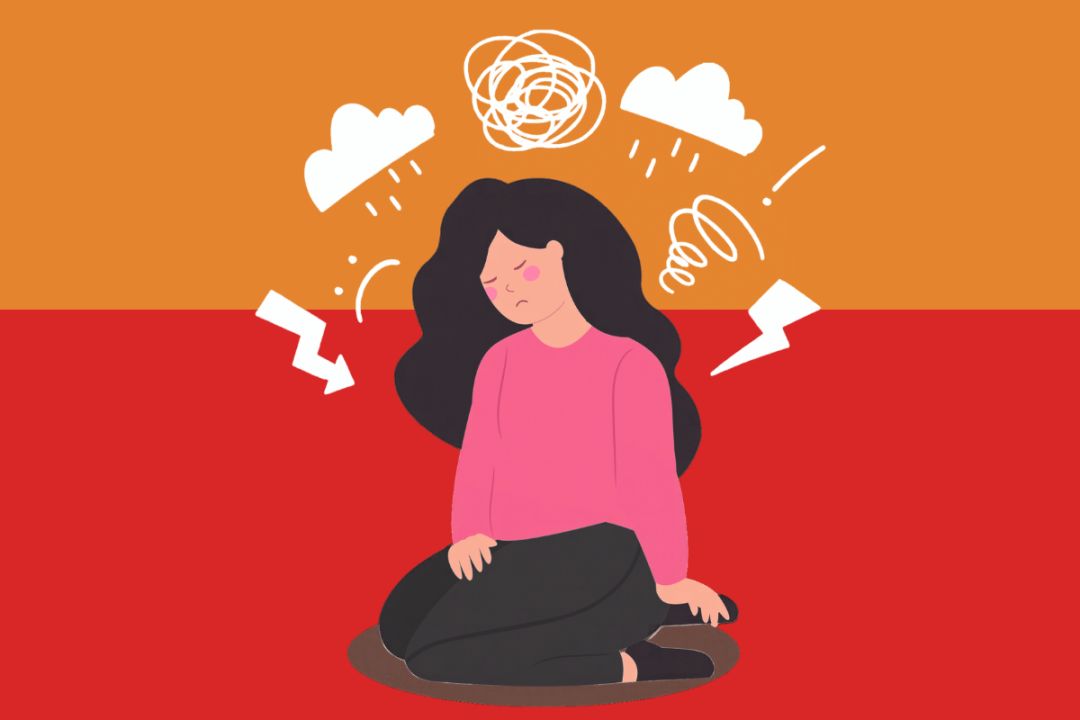
Dalsing (like Aron) explained that, while there are lots of benefits to being an HSP, it can be overwhelming to have your senses constantly cranked up to eleven.
This is where some might feel a link between HSP and autism – but there are some key differences.
The core framework for HSP, as outlined by Aron, is grouped into four categories. According to hsperson.com, Aron’s website dedicated to everything HSP, the categories are:
- Depth of Processing – HSPs have a tendency to process information more deeply, by seeking patterns, thinking through options in detail, and noticing more of the surrounding information.
- Overstimulation – Noticing everything around you and experiencing it deeply leads to overstimulation, which might mean you need a lot of time to decompress on your own, for example.
- Emotional Reactivity or Empathy – You react more strongly to both positive and negative experiences; you may be accused of ‘overreacting’ or being too dramatic.
- Sensing the subtle – You may notice many small details and subtleties that other people miss.
Dalsing explains, ‘While both show neurological presentations that are diverse from neurotypical individuals, the primary difference lies in social relations. While both can be sensitive to a sense of rejection, autistic individuals [generally] struggle to read social cues and follow the unwritten rules that we ascribe to when we interact.
‘Highly Sensitive People can read minute social cues and establish higher levels of empathy than most people.’
Social vs sensory difficulties
Another key difference is that a person must experience difficulties with daily functioning (also called ‘clinically significant impairment’ in the DSM-5) to be diagnosed with Autism Spectrum Disorder. In contrast, being an HSP is not an officially recognised disorder and so can’t be clinically diagnosed.
If you’re wondering whether you are an HSP or if you have autism, consider speaking to your doctor about your experiences and, if it feels right, seeking an autism diagnosis. Dalsing says you could also start by exploring the challenges you experience socially as a helpful indicator, as this is a distinct difference between the two.
And if you’re wondering whether it’s possible to have both? The answer is, well… kind of, but not quite.
‘While [HSP and autism] can overlap, it would be almost redundant to say that someone who is autistic is also highly sensitive,’ Dalsing explains. ‘It is normally assumed that those who are autistic are highly sensitive to most sensory cues and feel emotions at a stronger intensity when they experience them.’
So essentially, while autistic people will very likely be ‘highly sensitive’, not all HSPs will be autistic.
As far as probabilities go, a study published in Translational Psychiatry estimates that the percentage of the population who are HSPs is around 30%, while the World Health Organization estimates autism spectrum disorder (ASD) affects around 1-1.3% of the global population.

Better coping strategies
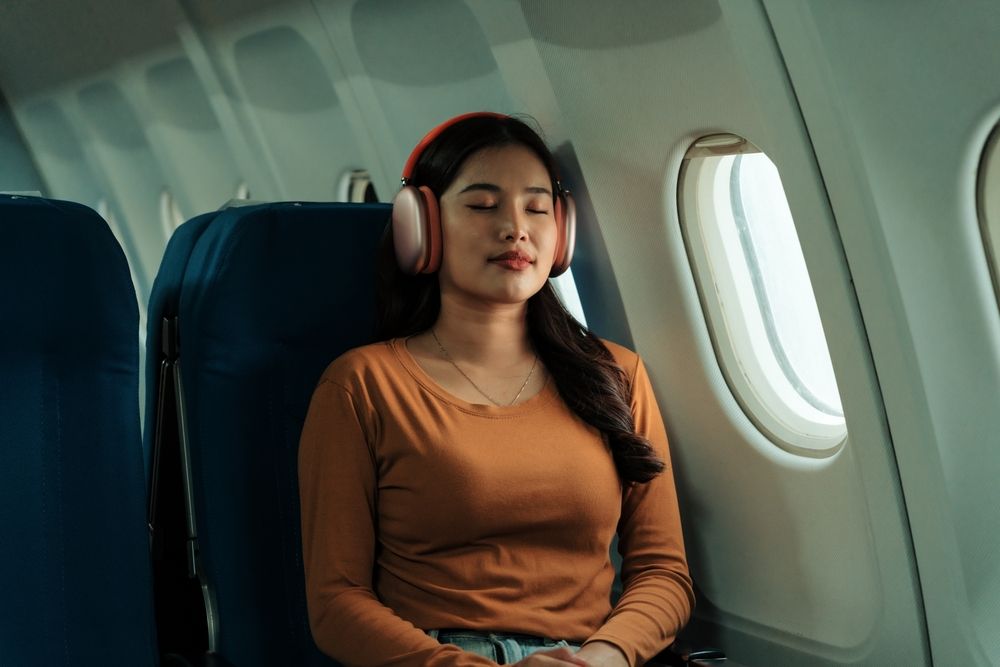
If you do struggle with sensory overload, whether you have ASD or are an HSP, Dalsing suggests using tools that can help you regulate sensory input, ‘such as noise-cancelling headphones and lightly tinted glasses.’
‘If an individual has enough control over various elements of their environment, they may be able to utilize softer and warmer lighting, lamps instead of overhead lighting, reduce the brightness of different screens like their computer monitor and cell phone, and ensure that auditory input is at a tolerable level.’
For social exhaustion, Dalsing recommends taking breaks from socializing whenever you need to, and not overloading your calendar with social activities. She also suggests that ‘Setting realistic expectations with others can be beneficial to reduce social strain and allow others to support the social and emotional needs of those who may be HSP or autistic.’
Michela Dalsing is a Licensed Mental Health Counselor and the Clinical Director at Villain Esteem, PLLC. Visit villainesteem.com.