Thinking about starting ADHD medication? Here’s what you need to know before talking to your doctor
If ADHD symptoms are affecting your work, relationships or everyday life, medication may be one option to consider. We asked a doctor about medications, side effects, and what you should ask in your appointments.
 Amy Mica Marsden
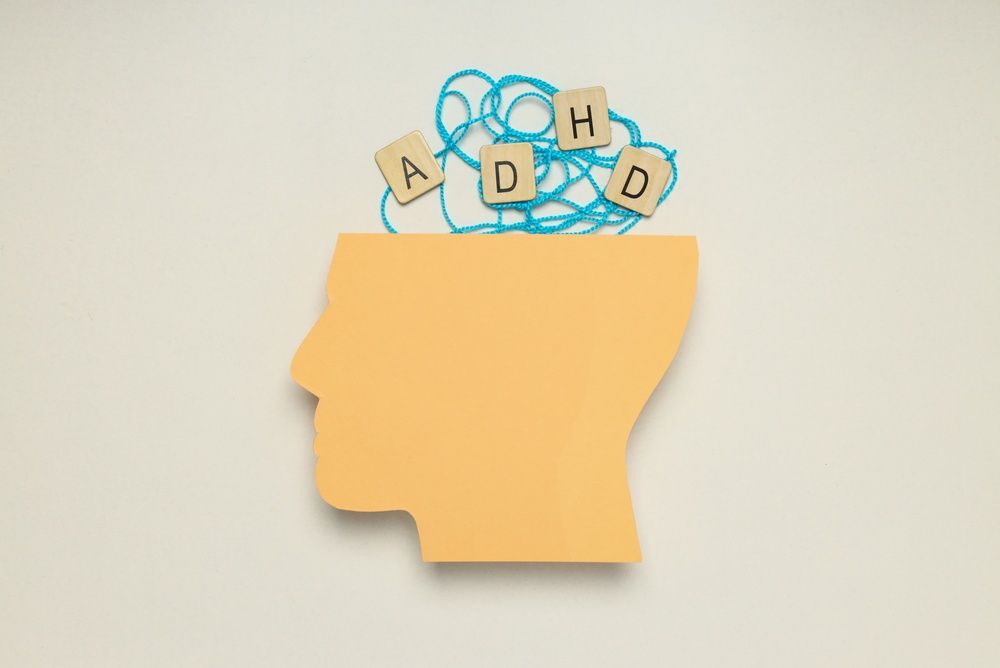
If ADHD symptoms are affecting your work, relationships or everyday life, medication may be one option to consider. We asked a doctor about medications, side effects, and what you should ask in your appointments.
Images: Shutterstock
According to the CDC, 15.5 million adults in the US (6%) have ADHD – and nearly 1 in 3 of those people report taking stimulant medication to help with their symptoms.
If you’re considering medication, it can be difficult to know whether it’s right for you – and knowing what to ask can be the first hurdle.
We spoke to a doctor to get the low-down on ADHD medication and help you decide what’s right for you.
What does ADHD medication do?
‘ADHD medication works by helping the brain manage attention, impulse control and, for many people, emotional regulation too,’ says Dr Suzanne Wylie, GP and Clinical Advisor at iQ Doctor. ‘It won’t change who someone is, but it can make it easier to focus, follow through on tasks and pause before reacting.’
‘It’s generally considered for people whose ADHD symptoms are significantly affecting daily life, whether that’s work, relationships or wellbeing.’
If you feel like your ADHD symptoms are difficult to deal with on your own, it may be time to discuss medication with your doctor.
Three questions that Wylie recommends asking your doctor when discussing medication are:
- – What are the realistic benefits and side effects for me specifically?
- – How will we know if it’s working, and what happens if it isn’t?
- – Are there any risks given my other health conditions or medications I’m already taking?

What are the differences between available ADHD medications?
There is not just one type of medication for ADHD, and the process of finding the right one for you, and the right dosage, can take a little bit of trial and error.
‘Broadly, ADHD medications fall into two groups: stimulants, such as methylphenidate and lisdexamfetamine, and non-stimulants, such as atomoxetine and guanfacine,’ explains Wylie.
‘Stimulants tend to work faster and are commonly used as a first-line treatment for ADHD. Non-stimulants take longer to build up in the system, but can be a good option if stimulants aren’t suitable or cause too many side effects.’
Your doctor should take other things into consideration too, including your lifestyle, medical history, and other health conditions.
What are the possible side effects?
When it comes to side effects, Global ADHD Network advises that they most frequently occur when you first start treatment, or when doses are adjusted. While they tend to be mild and often improve over time as the body adapts, it can help to learn the possible effects in advance to help you weigh up your decision.
‘The most common ones are reduced appetite, trouble sleeping, dry mouth or a faster heart rate,’ says Wylie. ‘Some people notice mood changes, such as feeling flat or irritable as the medication wears off.’
She also notes that you should always report any side effects back to the doctor who prescribed the medication to you, ‘especially anything affecting mood or heart health.’

How do I know if medication is right for me?
No two people are alike, especially when it comes to ADHD and its symptoms, which is why deciding whether or not to take medication is an entirely personal choice.
There’s no right or wrong answer, and there are other ways to manage symptoms without medication, including lifestyle and diet changes. These can be particularly effective when combined with medication, but can still prove useful on their own.
If you decide to try medication, remember that it isn’t a magic cure-all and may take some trial and error before you find out what works for you.
‘People respond differently, so it’s common to start on a low dose and adjust gradually, or try a different medication if the first one doesn’t suit,’ says Wylie.
‘This isn’t a sign that something has gone wrong; it’s a normal part of finding the right fit, and it’s why regular check-ins with a doctor matter in the early stages,’ she adds.
Common misconceptions about ADHD medication
As with many things, ADHD and medications associated with it have been somewhat stigmatized in the past, leading to many misconceptions.
One such misconception that Wylie is keen to dispel is that ADHD medication is a ‘personality-changing’ drug, or that taking it means you will have to carry on forever.
‘In reality,’ she says, ‘it’s a tool that supports the brain, much like glasses support eyesight. Some people use medication long term, while others may review or adjust their treatment over time with their clinician.’
The important thing to remember, Wylie adds, is that ‘starting or stopping ADHD medication should always be done with medical guidance, rather than alone.’