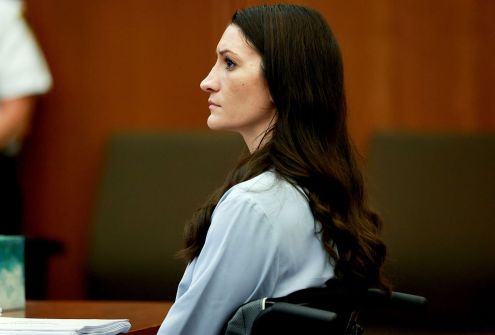
Jury deadlocked in Lindsay Clancy murder trial – as judge orders more deliberations
Jurors deciding whether a mother who killed her three young children was criminally responsible have failed to reach a unanimous verdict. Now, after four days of deliberations, they have been told to keep trying.
By 
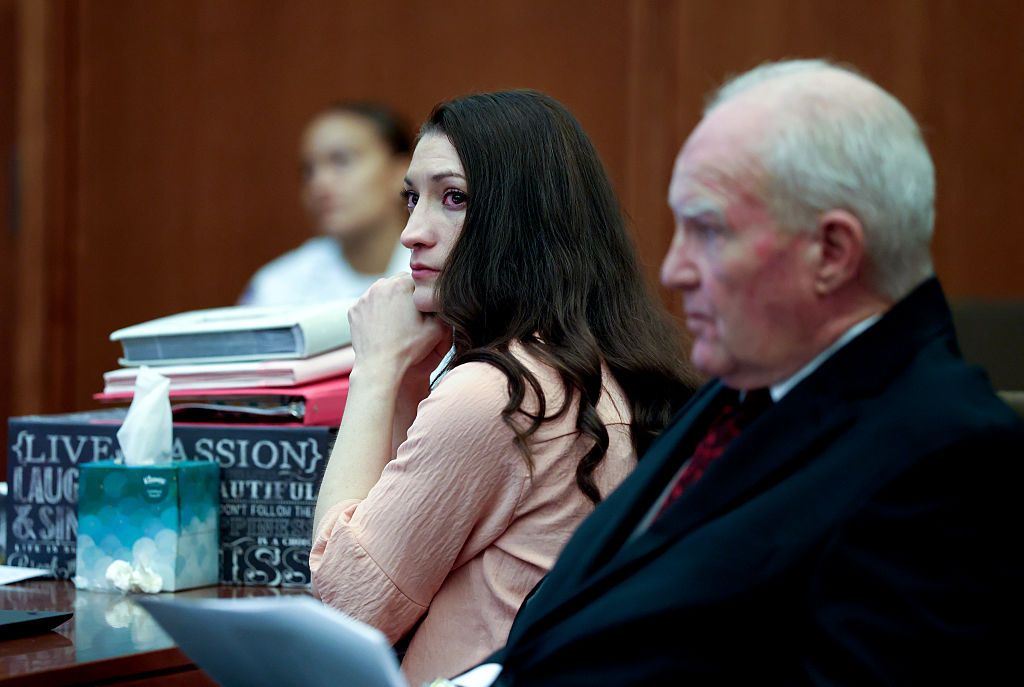
Jurors deciding whether a mother who killed her three young children was criminally responsible have failed to reach a unanimous verdict. Now, after four days of deliberations, they have been told to keep trying.
Pics: Getty Images
The jury in Lindsay Clancy’s closely watched murder trial has been sent home without reaching a verdict after telling the judge it was deadlocked.
After more than 17 hours of deliberations, jurors informed Judge William Sullivan: “After many hours of deliberation we are unable to come to a unanimous decision.”
But the judge instructed the panel to continue considering the evidence, saying he recognised it had been a long trial with more than 80 witnesses and 300 exhibits. “But because of that, I’m going to ask you to go back out,” he said.
Jurors deliberated for several more hours before being dismissed for the day and are expected to return for a fifth day of discussions.
The deaths that shocked Massachusetts
Clancy, 36, is a former labour and delivery nurse from Duxbury, Massachusetts. She is charged with killing her three children – Cora, five, Dawson, three, and eight-month-old Callan – at the family home in January 2023.
Clancy does not dispute that she strangled the children with exercise bands, but says postpartum psychosis led to her actions, and has pleaded not guilty by reason of lack of criminal responsibility.
Afterwards, she jumped from a second-storey window in an apparent attempt to take her own life. The fall left her paralysed from the waist down.
The children were discovered by their father, Patrick Clancy, after he returned home from collecting medication and takeaway food. Patrick, who is now Clancy’s ex-husband, has since said that he forgives her.
The central question for the jury is not whether she killed the children, but whether she was legally responsible for her actions at the time.
Defence says Clancy was suffering from postpartum psychosis
Clancy’s defence team argues that she was experiencing postpartum psychosis and was unable to distinguish right from wrong when she killed Cora, Dawson and Callan. And say she heard a voice telling her to kill the children so she could end her own life.
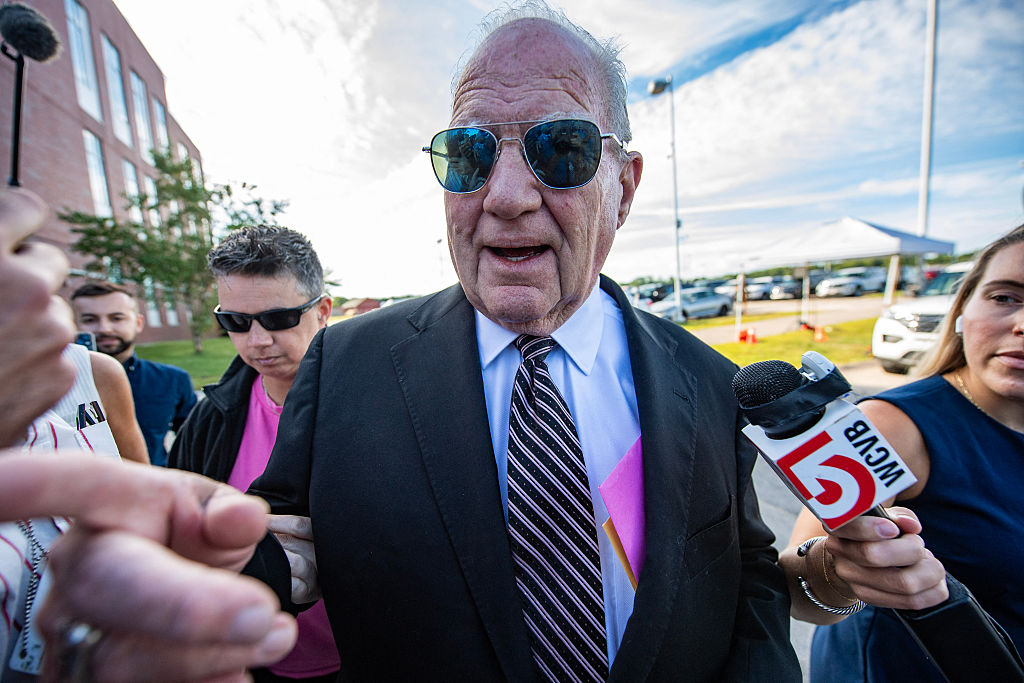
Her lead attorney, Kevin Reddington, also claims that Clancy had been overmedicated and was failed by the healthcare professionals from whom she had sought help for her declining mental health.
During his closing argument, Reddington said prosecutors had “ripped the soul out” of his client. Addressing the treatment she received, he told the court that “she took the drugs as she was told to take them”.
Members of Clancy’s family, including Patrick and her mother, described her as a loving parent
Both her mother and sister testified that she became anxious, paranoid and suicidal after the birth of her third child.
She sought treatment for her worsening mental health, including a stay in a psychiatric hospital, in the months before killing Cora, Dawson and Callan Clancy, ages five, three and eight months.
Less than three weeks after being discharged, she sent her husband on an errand and killed the children in the basement of their home south of Boston.
She then attempted to take her own life and remains paralysed from the waist down.
Prosecutors argue the killings were planned
Prosecutors do not dispute that Clancy was mentally unwell. However, they argue that she remained capable of understanding the difference between right and wrong and made a calculated decision to kill the children.
Assistant District Attorney Jennifer Sprague alleged that Clancy had deliberately arranged for Patrick to leave the house and remained calm enough to conceal what she intended to do.
“She lied, she stayed calm, she presented herself as normal. She had complete control over her behaviours and emotions,” Sprague argued.
In the prosecution’s closing argument, Sprague said Clancy was “depressed” and “didn’t want to try anymore.”
“Those kids were her protective factor,” Sprague said. “Those kids were keeping her from ending her misery. So she had to remove the protective factor.”
A case that has divided public opinion
The trial, which began in July, has included testimony from first responders, medical professionals, mental health experts, relatives and friends.
The live-streamed trial in Plymouth, Massachusetts has sparked massive discussions online and has brought attention to postpartum psychosis.
It has prompted fierce debate about postpartum mental illness and whether mothers in severe distress receive adequate care.
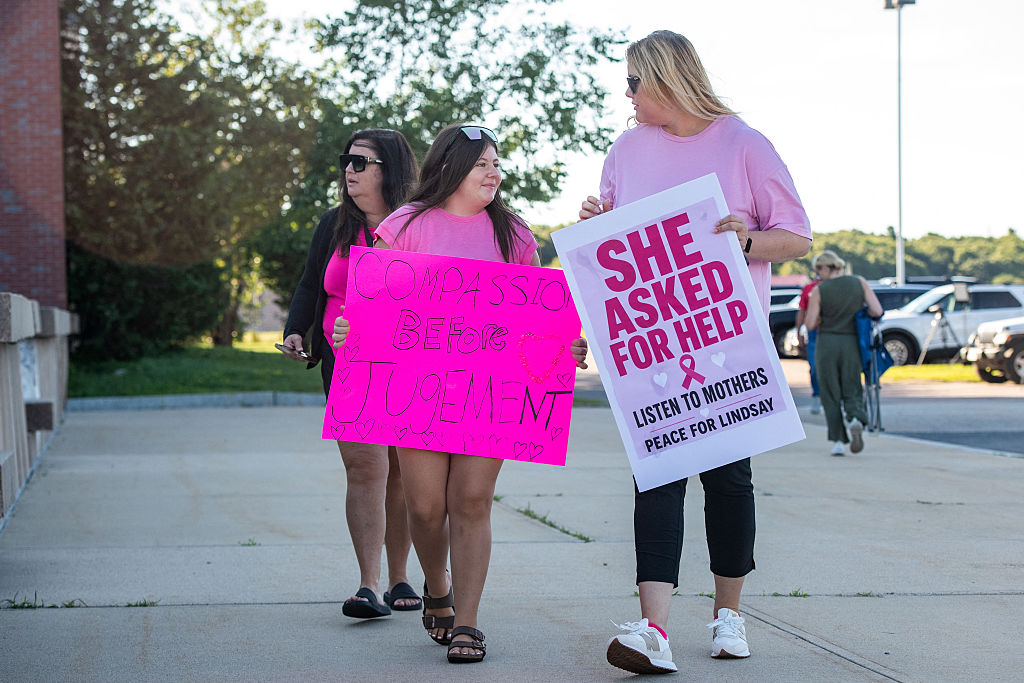
Hundreds of Clancy’s supporters have gathered outside the courthouse, many wearing pink clothing emblazoned with phrases such as “Believe”, “She Needed Help” and “Peace For Lindsay.”
Several of the 300 women, and a few men, said Clancy’s story resonated with them and that they wanted to raise awareness about how the mental health system treats women.
Others believe the attention and sympathy directed towards Clancy have overshadowed Cora, Dawson and Callan, arguing that the three children should remain at the centre of the case.
What happens if the jury cannot agree?
The jury of nine women and three men can return verdicts including first-degree murder, second-degree murder, manslaughter, not guilty, or not guilty by reason of lack of criminal responsibility.
A first-degree murder conviction carries a mandatory life sentence without the possibility of parole. If Clancy is found not guilty because she lacked criminal responsibility, she could be sent to a psychiatric hospital rather than simply released, if an evaluation determines she is a danger to the public.
If the panel remains deadlocked, the judge can instruct jurors to reconsider the evidence and each other’s views. Should they remain unable to agree, he could ultimately declare a mistrial. The charges against Ms Clancy would remain. Prosecutors would need to decide whether to try Ms Clancy again before an entirely new group of jurors.
Prosecutors could offer a plea deal to Ms Clancy, although her attorney is more likely to push for them to drop the charges, said Brad Bailey, a Boston defence attorney and former prosecutor who is not involved in the case.