The rise of ‘narcissism spotting’ – are social media trends misinterpreting normal human behaviour?
'The rise of narcissism content reflects a genuine desire to understand human behaviour - but we need to be careful not to lose nuance.'
By 
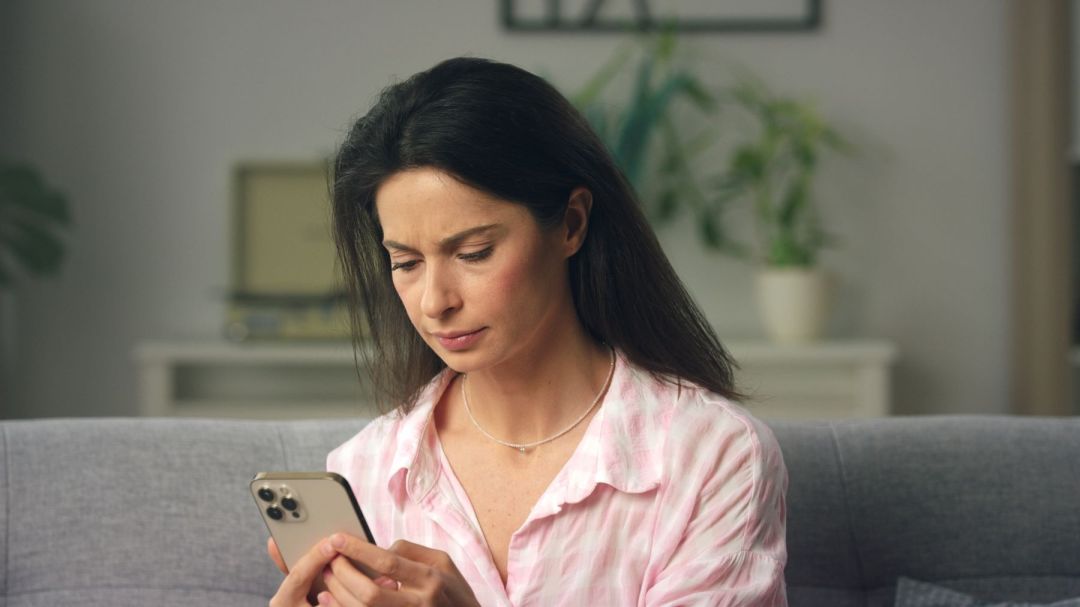
Social media is flooded with content about ‘narcissism spotting’ – but experts are concerned amateur diagnoses might be causing people to lose sight of what genuine narcissistic abuse looks like.
If you’ve been anywhere on the internet in recent years, you’re probably aware of ‘narcissism spotting’. It’s a trend that’s taken over social media feeds, with self-proclaimed experts sharing their takes on how to spot the narcissists in your life – be it in a relationship, your family or at work.
On a casual evening scroll, you’ve probably come across posts and articles confidently claiming things like, ‘if they do this one thing, they’re a narcissist’, or ‘these five signs prove someone is narcissistic’. Or, quite simply, ‘your boss/partner/ex is definitely a narcissist’.
While good intentions might lie behind every reel and TikTok, experts are growing increasingly concerned that the trending content might be encouraging people to misinterpret normal human behaviours. Perhaps more concerningly, flippantly labelling anyone and everyone a narcissist also risks watering down the extremity of the clinical disorder – and the abuse and control that can come with it.

What is “narcissism spotting”?
‘”Narcissism spotting” is where everyone seems to be identifying, labelling and analysing narcissistic traits in other people, often based on short social media videos, relationship content, or personal experiences,’ explains Master Certified Coach and neuroscience expert, Ruth Kudzi.
According to Ruth, the reality of clinically diagnosing a narcissist is far more nuanced and will involve a qualified psychiatrist conducting several interviews and evaluations based on criteria in the DSM-5 (Diagnostic and Statistical Manual of Mental Disorders).
‘A single behaviour doesn’t make someone a narcissist,’ she explains. ‘Context matters. Patterns matter. Personality is complex and we can make a lot of assumptions based on the lens with which we’re observing behaviour.’
Why narcissism spotting is trending online
Social media trends come and go, and this is not the first time feeds have been flooded with amateur diagnosis advice around a condition or disorder. ‘Social media loves a trend and we all love to understand human behaviour,’ says Ruth. ‘Now, everyone can diagnose a narcissist after watching a single video!’ she jokes.
But why has narcissism spotting in particular become so widespread? The reason behind the rise is likely explained by people seeking explanations, validation and comfort. ‘Most people have had difficult relationships or bosses they haven’t liked or have felt like the behaviour of others hasn’t been kind,’ Ruth explains. ‘They want to find out more about why this is, and recognising that some traits are narcissistic gives people comfort in the fact that the other person may be to blame.’
‘People are curious and they’re hunting for reasons why they are hurting,’ she adds. ‘These videos make people feel better and provide validation after confusing or upsetting situations. Often, this labelling is a way of feeling better about yourself and a relationship.’

The risks associated with amateur diagnoses
It’s important to note that some online content can genuinely help people to identify and free themselves from difficult situations. ‘There are some great accounts and support for people who have experienced narcissistic abuse and this can provide a lot of comfort,’ says Ruth. ‘Equally, the awareness can be positive.’
However, the experts are also concerned that the oversaturation of viral content might be causing people to bully others online or misinterpret normal human behaviour as narcissism. ‘I’ve seen people using narcissism as a bullying technique, labelling others as narcissists and creating videos about them online, which can be incredibly harmful,’ Ruth explains.
‘One of my biggest concerns is that many normal human behaviours are being classified as evidence of narcissism, such as:
- – Setting boundaries
- – Having confidence
- – Wanting recognition
- – Being emotionally unavailable during stress
- – Occasionally behaving selfishly
‘Content also often ignores context, mental health, trauma, neurodiversity, attachment patterns and individual differences,’ Ruth continues. ‘Understanding people is rarely as simple as a social media trend would have us believe.’
Another worrying side to amateur ‘narcissism spotting’ is that it risks diminishing the behaviours of a true narcissist. ‘One of my concerns as a Clinical Lead is that the word “narcissist” is now being used so frequently that we risk losing sight of what genuine narcissistic abuse and coercive control actually look like,’ explains Jodie Edith, counsellor, hypnotherapist and founder of Nurture From Within.
‘Not every difficult person is a narcissist,’ she continues, ‘but equally, true narcissistic abuse can have devastating and lifelong consequences.’
Should you listen to the online advice?
Viral content around narcissism often spreads false or highly simplified information, leading to inaccurate – and highly damaging – amateur diagnoses. And yet, the content still serves to raise awareness around an important issue. In turn, this could empower genuine victims to seek support.
‘I do believe the term is sometimes overused on social media, and not every difficult person is narcissistic,’ Jodie explains. ‘However, I also believe that understanding narcissistic abuse can be incredibly validating for genuine survivors. Awareness helps people recognise unhealthy patterns. Many people spend years blaming themselves for experiences they could not make sense of.’
If you genuinely believe you might be facing narcissistic abuse or coercive control, seeking support from a professional is vital. ‘The goal should never be to keep people stuck in victimhood,’ Jodie adds. ‘The goal should be understanding, recovery and empowerment.’
However, if you regularly find yourself making snap judgements and labelling everyone around you as a narcissist, it might be worth reflecting more deeply on the situation as a whole. Rather than immediately questioning if someone is or isn’t a narcissist, Ruth suggests first reflecting on the following questions:
- – How does / did this relationship make me feel?
- – What part did I play / what part did they play?
‘Of course, there are people who’ve suffered significant abuse and I’ve witnessed narcissistic traits playing out in the workplace and personally,’ Ruth explains. ‘Yet, when I reflect on these questions, I’m able to recognise that labelling that person without my own self-reflection isn’t always helpful.’
‘The rise of narcissism content reflects a genuine desire to understand human behaviour,’ Ruth adds. ‘But we need to be careful not to lose nuance. Not every difficult person is a narcissist, and not every act of self-interest is evidence of a personality disorder.’
Ruth Kudzi is a Master Certified Coach, neuroscience expert, coaching psychologist, best-selling author of How to Feel Better and founder of Optimus Coaching Academy. Find out more at ruthkudzi.com

Jodie Edith is a counsellor, hypnotherapist, NLP practitioner, campaigner and founder of Nurture From Within. Find out more at nurturefromwithin.co.uk.