If they look too good to be true, they probably are: The danger signs you might have fallen for a narcissist
 Sally Saunders
They seem perfect: attentive, affectionate and completely devoted to you. But what if that whirlwind romance is hiding something more troubling? Trauma specialist Zoe Clews explains the subtle warning signs that can signal you’re in a narcissistic relationship — and why the people who appear too good to be true sometimes are.
Not every intense romance is unhealthy, but experts say many narcissistic relationships follow a strikingly similar pattern. What begins with overwhelming affection, constant attention and grand declarations of love can gradually give way to criticism, gaslighting, manipulation and an unsettling sense that you’re no longer yourself.
Trauma specialist Zoe Clews has spent years helping people recover from psychologically controlling relationships. She says one of the biggest challenges is that the warning signs of narcissism are rarely obvious at the start. Instead, people are often drawn in by what psychologists commonly refer to as love bombing — a period of intense idealisation that leaves them feeling deeply valued, understood and “chosen.”
Here, Clews explains the early red flags of a narcissistic relationship, why narcissists can be so difficult to recognise, and the subtle behaviours that may indicate it’s time to trust your instincts.

Unpicking the early signs
It starts like a fairy tale. They seem to adore everything about you. They text constantly, remember every detail you’ve ever shared and make you feel as though you’ve finally found someone who truly understands you.
If it feels almost too perfect, trauma specialist Zoe Clews says it’s worth paying attention.
“It can often start off great,” she says. “You’re love-bombed. You’re showered with affection. You feel really lifted up. This person sounds and looks great on paper.”
That intensity can be intoxicating. But while every exciting new relationship isn’t unhealthy, Clews says one of the defining characteristics of narcissistic relationships is that they often begin with extraordinary charm before gradually becoming something very different.
They make you feel “chosen”
One reason these relationships can be so difficult to recognise is because, in the beginning, they feel exactly like the relationship you’ve always hoped for.
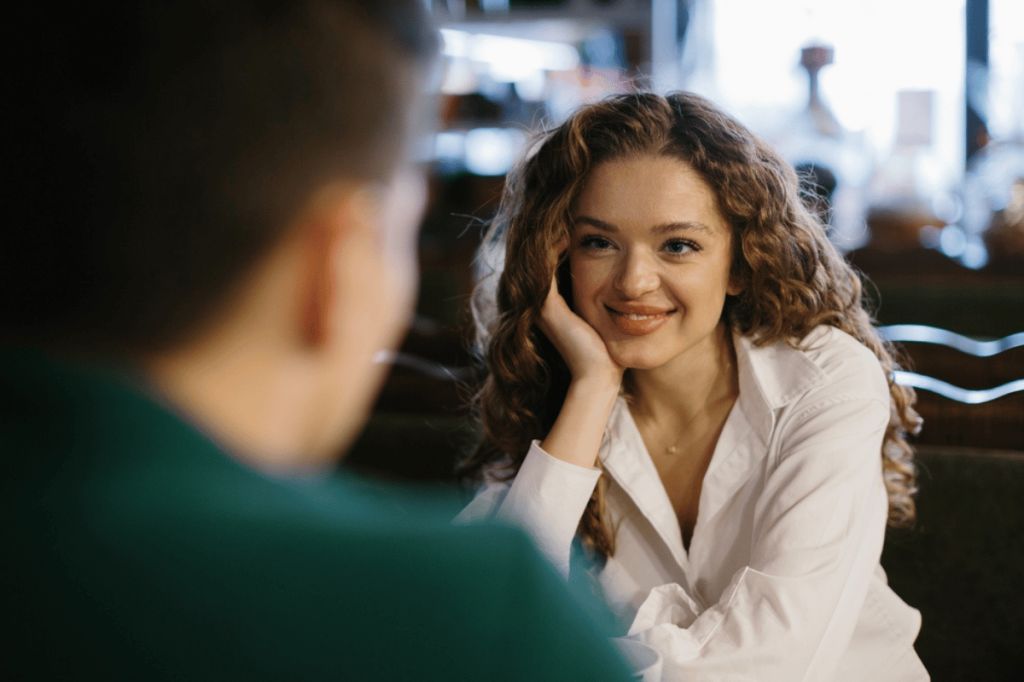
“Narcissists are very, very good — particularly in romantic relationships — at making you feel chosen,” says Clews. “All of their attention goes on to you. It’s the pedestalisation, idealisation stage.”
For weeks or even months, everything can seem effortless. You’re praised, admired and put on a pedestal. The attention feels exciting, flattering and reassuring. Because nothing appears obviously wrong, there is little reason to question it.
Then the rules change
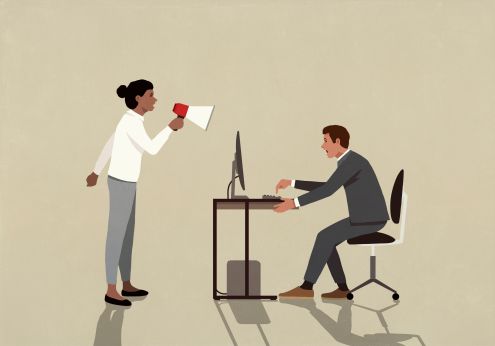
The shift rarely happens overnight. Instead, Clews says, it usually begins with small tests of your boundaries. “No one starts off with a torrent of abuse,” she says. “They’ll sort of test your boundaries a little bit.”
Perhaps they make a cutting remark and laugh it off as a joke. They become irritated when you spend time with friends. They question your decisions or make you feel guilty for saying no. Gradually, the relationship becomes less about mutual respect and more about keeping them happy.
One of the most confusing stages is what therapists often describe as devaluation. The person who once admired everything about you begins picking you apart instead. Clews believes this often leaves people trying even harder to win back the affection they experienced at the beginning.
“The individual can be very confused about that,” she says. “So they will often try harder.” Instead of questioning the relationship, they question themselves. In her consulting room, Clews hears the same thoughts again and again. “‘Maybe if I just lost weight they’d be interested again.’ Or, ‘Maybe I need to be kinder or more understanding.'” She says that response is deeply human. “Our default is probably just to try a bit harder.”

It’s not really about confidence
Popular culture often portrays narcissists as people who think they’re better than everyone else. Clews believes the reality is more complicated.
“People think it’s like, ‘I think I’m so amazing.’ But that’s how it presents. It isn’t really what’s going on.”
In her view, the behaviour is driven less by genuine self-confidence than by a need to protect a fragile sense of self. “The superiority complex is the same as an inferiority complex. It’s just got a wig on.”
That can help explain why someone who initially seemed endlessly supportive may later become critical of your success. “If they start to be envious of their partner, or they feel like they’re losing control, they start to gaslight, devalue, chip away at you and criticise you.”
It’s all about control
If there’s one theme that runs through every narcissistic relationship Clews sees, it’s control. “Narcissism is always about power and control,” she says.
She describes it as “Planet Me”—a world in which everyone else is expected to fit into one person’s script. “They’ve got their own script of how things should be,” she explains. “We’re all just actors in their play that they’re directing.”
The problems begin when real life doesn’t follow that script. “When we’re human and don’t act out their ideas, they start to get angry, controlling and manipulative.”
Why it’s so hard to recognise
Many people assume they would immediately spot an emotionally abusive relationship. Clews says that’s rarely how it works.
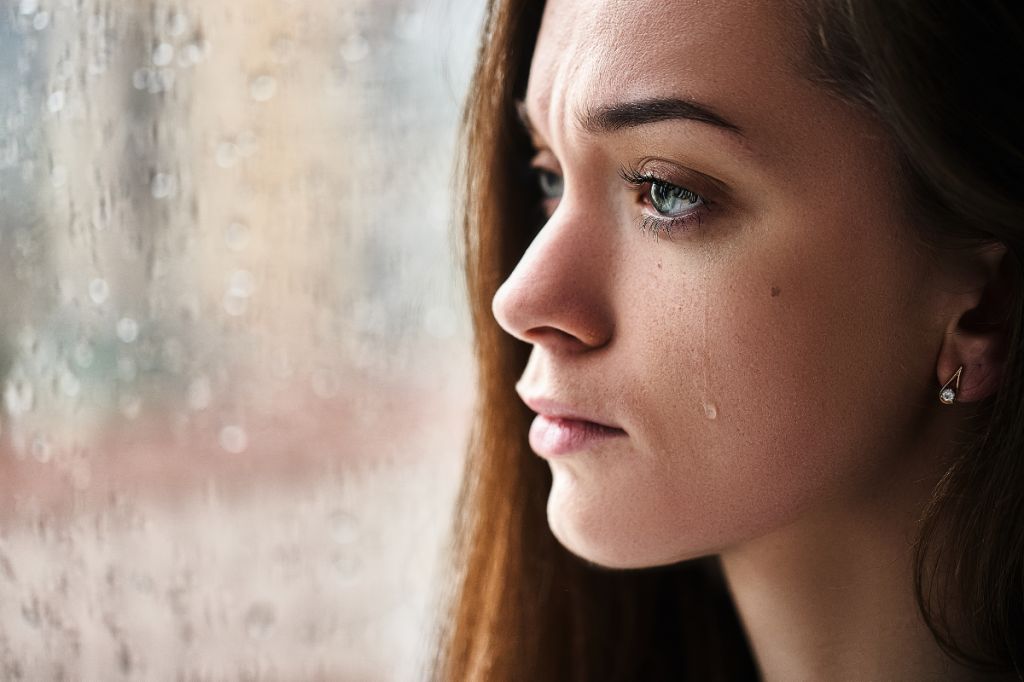
“The person who’s been in a relationship with this perfectly charming, lovely person is suddenly a bit confused.”
That confusion is one of the biggest warning signs. Instead of trusting your instincts, you begin explaining away behaviour that once would have concerned you.
But Clews offers a different perspective. “I often say it’s not that they’ve changed — you just got to know them. The beginning was the advert.”
There is no single checklist that can tell you whether someone has narcissistic personality disorder, and only a qualified clinician can make that diagnosis. But Clews believes there is one question people often overlook.
“The clue is how it’s leaving you feeling.”
Words: Lucy Rawlinson, Images: Shutterstock, Freepik