Want to feel more confident after 50? 5 simple ways to rebuild your self-esteem and trust yourself again
Statistically, people’s self-esteem is said to peak in their 60s and 70s, but people can easily fall outside the realm of statistics. Fortunately, there are ways to rebuild confidence and esteem at any age
By 
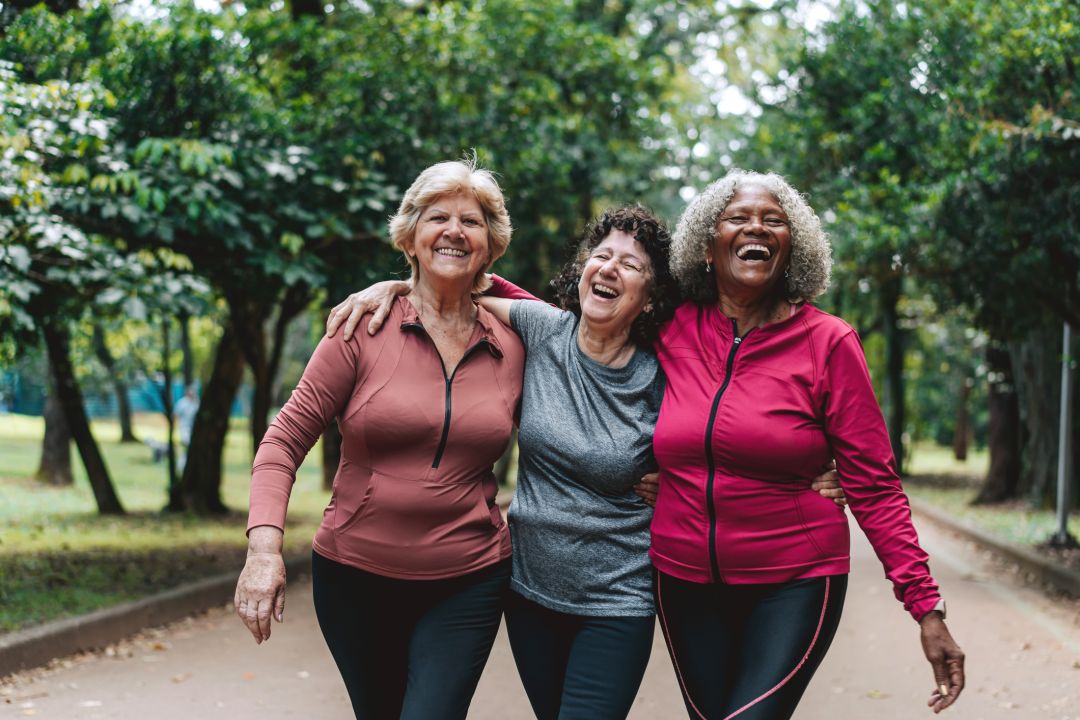
Statistically, people’s self-esteem is said to peak in their 60s and 70s, but people can easily fall outside the realm of statistics. Fortunately, there are ways to rebuild confidence and esteem at any age
PICS: GETTY IMAGES
Self-esteem and confidence go hand in hand. “Self-esteem is how you value yourself as a person. Self-confidence is how much you trust yourself to handle a particular situation,” Trauma Healing Specialist, Edit B Kiss, says.
Self-esteem is integral for living a happy life, and finding the confidence to do the things that help us to feel valued and happy is important. But it is also something of a catch-22 – if we need confidence to do new things, then finding confidence takes an element of confidence. This can be why people double down on not doing the things they may want to, or others feel they could, do. But there are ways to find it, and to improve life as a result.
Whether life has thrown challenges our way, or we simply feel like we could do with adding more into our lives, confidence is an integral part of the energy and motivating force that is necessary to help us push forward to feel better.
Assessing your current situation
It’s always wise to consider the reasons why we feel the way we do, especially if something seems to be missing in our lives. Often, a confidence slump can come after retirement for example. Where we once had a social life that we were used to, and gained confidence from, now we might find we need to integrate in new places but don’t necessarily know how to. Similarly, losing a partner and then wanting to date again can be a time full of doubt and low self-esteem.
While not always very comfortable conversations to have with ourselves, it is important that we have them in order to give ourselves a sense of practical hope about the things we can work to improve in our lives. Irena Tyshyna, founder of CODA:GENE, says that “building confidence later in life isn’t necessarily about reinventing yourself; it’s about deciding which beliefs you want to adopt and which ones you’d rather ditch.” This is why evaluation is important, it helps us to get a sense of the journey we’d like to embark upon.
From there, psychologist Dr Patricia Britto, suggests trying “one small act of confidence. Whether that’s starting a conversation or by making one low-stakes decision you’d usually avoid. Small moments like these build confidence, one block at a time.”
Kiss says that after doing so, try to “notice what you managed”. Journaling can help with this, but focus on what you achieved as opposed to discomfort – that is a natural part of growth.
Having this perspective allows us to then expand our horizons, and ideally aim for the things we know we want to do.

Pay attention to how you feel around the people in your life
We often notice our confidence dipping when we feel disconnected to the world. This in turn, plays on our self-esteem – we are social creatures, and value these connections. If for any reason we do not feel connected to people, we can feel as though there is something dislikeable about ourselves.
Therefore, it’s important to “be mindful of relationships that consistently leave you questioning your worth, or give you a shrinking sense of who you are. The people around us can either reinforce the way we see ourselves or remind us of what’s possible. It’s so important to choose your circle intentionally,” explains psychological coach Casey Paul. In practice, this can mean finding people who have the same creative projects or interests as you, or simply evaluating old friendships to see where things could perhaps become healthier again.
Step outside of your comfort zone
As we get older, it’s easy to become more comfortable with what we know and what feels familiar; or, more accurately, it becomes more difficult to challenge the life we have. “Each time you step outside of what’s familiar and discover that you can handle it, you build evidence that you’re capable, resilient and still growing,” says Paul.
The more you prove to yourself that you can do hard or unfamiliar things, the more you trust yourself to be confident in new situations. This tends to help these situations go well, which in turn can boost self-esteem.
Hold onto the things that have been good
This isn’t all to say that we should have total overhauls of our life to rebuild our confidence. We are complicated creatures and can hold a variety of feelings in our minds at once. It isn’t about eradication; it’s about making more space for the things that bring you joy.
“As life gets busier, it’s easy to lose touch with the things that make us feel energised and alive,” Paul says. As a result, it can be useful to think back to what you loved doing when you were younger, “before you were thinking so much about productivity and responsibility,” Paul says.
Reminding ourselves of the things that made us feel playful and curious can bring a sense of joy that we forgot we had, and lead us to new moments in life despite coming from our past. There are direct links between play and self-esteem. “The more positive emotions we experience, the more energy, self-belief and confidence we can cultivate. From that energy, you start to attract more positive things into your life.” Paul offers.
Make the ordinary everyday moments matter
As we get older, time seems to move quicker. Years feel shorter than they used to. This can lead us to focus on the next milestone instead of the next year, month, week, or moment of the day. When we do this, it can “feel like the best moments are behind us,” Paul explains.
But they do not have to be. Making a conscious effort to savour everyday moments tends to bring a good deal of gratitude, appreciation, and energy.
It can help us to reconnect with the friends we already see, or the hobbies we currently spend our time enjoying. Feeling more connected to our life, essentially, can help life to feel good. Having more confidence in our day being a positive one quickly blossoms into us feeling better about our self-esteem at large.