‘I began avoiding social events during menopause. Then I learned that undiagnosed autism could be the hidden cause’
Do you find yourself avoiding social plans, snapping at loved ones or needing more time alone during menopause? We explore how hormonal changes may affect autistic people and what can help with social burnout.
 Amy Mica Marsden
Words: Amy Mica Marsden. Images: Shutterstock.
Menopause can be a difficult time for many, but for some it hits like a truck. Suddenly you feel incapable of doing things that you used to be able to do – things like being friendly to your annoying neighbor, conversing with strangers at a party, or coping when an existing plan changes.
Maybe in the past these tasks felt hard but doable through effort, but suddenly (with the onset of perimenopause) you don’t have it in you anymore. This change can feel baffling and scary, leaving many wondering if they’re suddenly ‘broken’. If this sounds like you, you’re not alone.
Unmasking autism in menopause
It’s thought that a large number of people with autism are undiagnosed, with many only noticing it as they get older. In fact, according to a survey by autistica.org.uk, 54% of people didn’t know they were autistic when entering menopause. These people also generally rated their menopause symptoms as more severe.
But why does autism reveal itself more during menopause? The connection is complex, but estrogen can play a big role.
Not only is it the hormone responsible for reproductive development, but it is also thought to help your cells produce energy and regulate neurotransmitters in the brain. These are chemicals such as serotonin, glutamate, and GABA, which help modulate the brain’s happy hormones, your relaxation levels, and your responses to stimuli.
When estrogen falls, so do your energy levels and your levels of neurotransmitters, and so you may become less able to manage in the face of overstimulation or social challenges. On top of this, many people with autism find change more difficult than neurotypical people, meaning that the transition can feel overwhelming. This can leave you with less energy to navigate everything else.

Menopause, autism, and social burnout
If you have autism (whether diagnosed or otherwise), it’s likely that you have always struggled with your social battery — but your capacity may become noticeably worse once you enter perimenopause and beyond.
‘Sometimes Autistic traits become more apparent during menopause, but there will still be a history of Autistic characteristics when looking back,’ explains Kristin Boscaljon, a psychotherapist who works with late-discovered neurodivergent adults.
‘Autistic burnout happens when life’s demands outweigh an individual’s resources to cope with the demands. More specifically, when the nervous system lacks sufficient resources to support prolonged challenges.
‘Autistic people have sensory-based nervous systems. If they live in a sensory environment not suited to them, this can strain the nervous system… Chronic anxiety could be a sign that the nervous system may be overtaxed or dysregulated.’
Menopause and coping with social burnout
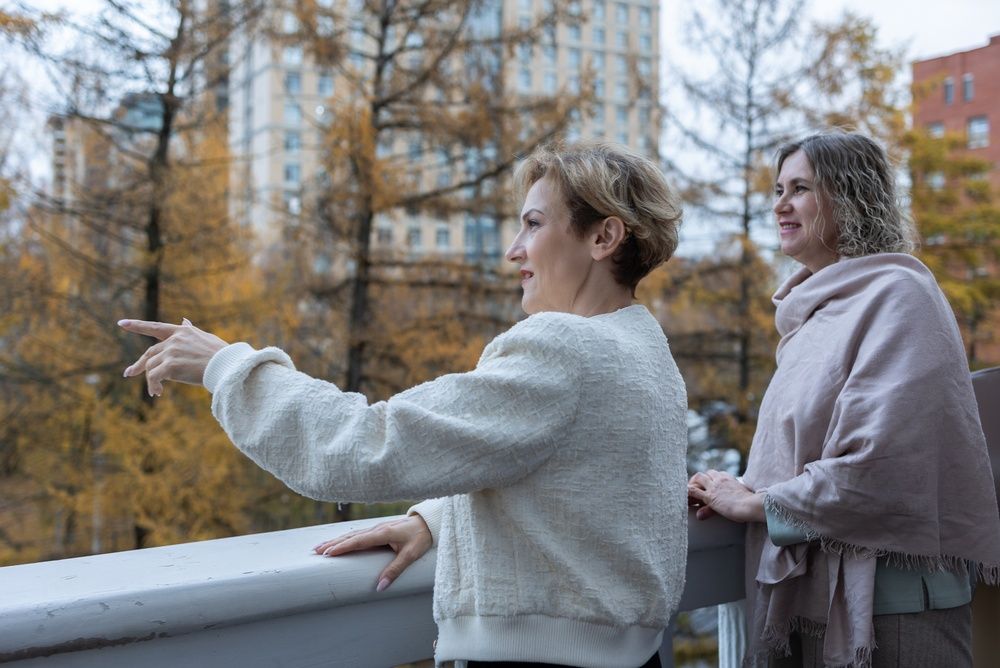
If you’ve found yourself increasingly dreading social situations and busy places in menopause, Jason Murphy, Superintendent Pharmacist and Head of Pharmacy at Chemist4U, has some tips on how to minimize the damage and stop yourself from spiralling into social burnout.
He suggests one of the most important things is to listen to what your body is telling you if socializing leaves you feeling exhausted. ‘Give yourself permission to do less,’ he says, ‘whether that means choosing smaller or quieter social settings or practicing saying ‘no’ when you’re feeling drained.
‘Sometimes protecting your energy can be as simple as stepping away for a much-needed break when you spot those physical and emotional warning signs.’
‘If you think you might be autistic and it was missed earlier in life, it’s important to know you’re not alone,’ he adds.
Similarly, Kristin recommends thinking over your energy levels and deciding what limits to set for your social interactions – ‘either the number of social events you do in a week, or the amount of time you allow yourself to remain at a social event (maybe spending 1-2 hours with someone instead of half a day),’ she suggests.
‘Someone could note which social situations leave them feeling less exhausted, or maybe even slightly energized, and prioritize those interactions over ones that leave them exhausted. It’s likely the less draining a social engagement is, the less a person is needing to mask, therefore preserving some of their energy.’
Next steps – can HRT help?
According to a customer survey by nutrition brand Dr.Vegan, 68% of women reported that taking HRT was effective for helping them with menopause symptoms — though this may only tackle part of the problem, as there is no ‘treatment’ or medication for autism.
‘While treating menopause won’t change underlying autism, it is crucial for managing and regulating sensory discomfort, social burnout, and emotional dysregulation,’ says Jason.
‘I’d suggest talking to your doctor about HRT (Hormone Replacement Therapy), which replaces declining estrogen to relieve symptoms such as hot flushes, night sweats, and mood changes.’
Experiences of both menopause and autism can vary greatly between individuals, meaning that there is no ‘right answer’ when it comes to choosing whether to take HRT or get an autism diagnosis. However, you may find it useful to speak to your primary care provider or GP about your feelings and anything you may be struggling with, to find what works for you.