Autism in women: the lesser-known conditions that can go undiagnosed for years
From ADHD and anxiety to chronic pain and endometriosis, autistic women can face a complex mix of co-occurring conditions. One woman shares how years of feeling different, being misunderstood and searching for answers finally led to an autism diagnosis.
 Alison Graves
Pics: Getty Images
Autism in women can go unrecognised for years, with some women only discovering they are autistic in adulthood after a lifetime of feeling different, struggling to fit in or being diagnosed with other conditions.
While autism is not an illness, autistic people can experience a range of co-occurring physical and mental health conditions. These can include anxiety, depression, ADHD, eating disorders, sleep difficulties and gastrointestinal problems. Some autistic women also report chronic pain, menstrual difficulties and conditions affecting the body’s autonomic nervous system, although research into several of these associations is still developing.
For women who have spent years trying to understand their experiences, recognising the possible connection between autism and other difficulties can be an important step towards getting appropriate support.
The conditions that can co-occur with autism in women
Autistic women may experience a range of additional conditions, although not every autistic person will have them. Some can be recognised early in life, while others may go unnoticed or be attributed to other causes.
These include:
- ADHD: difficulties with attention, impulsivity, organisation and executive functioning.
- Anxiety disorders: including generalised anxiety and social anxiety.
- Depression: which may develop alongside prolonged stress, isolation or burnout.
- OCD: involving intrusive thoughts and compulsive behaviours, which are distinct from autistic routines, even when some behaviours appear similar.
- Eating disorders: including anorexia, bulimia and avoidant/restrictive food intake disorder (ARFID).
- Sleep disorders: such as insomnia, disrupted sleep patterns and difficulty winding down.
- Migraine: including headaches and sensory-related symptoms.
- Gastrointestinal problems: including irritable bowel syndrome (IBS), constipation, diarrhoea and abdominal pain.
- Epilepsy: which is more common among autistic people than in the general population.
- Joint hypermobility and chronic pain: including hypermobile Ehlers-Danlos syndrome (hEDS), although the relationship between these conditions and autism requires further research.
- POTS and dysautonomia: conditions affecting the autonomic nervous system, with research into their relationship with autism still developing.
- PMDD and menstrual difficulties: including challenges associated with periods and hormonal changes.
- Dyspraxia: also known as developmental coordination disorder, which can affect movement, coordination and motor planning.
- Sensory processing difficulties: sensitivity to sound, light, touch, smells and textures, which can be common autistic traits.
- Autistic burnout: a state of profound exhaustion and reduced functioning that can involve increased sensory sensitivity and difficulty managing everyday demands. It is not a formal medical diagnosis.
Having one or more of these conditions does not necessarily mean someone is autistic. However, understanding the full picture of a person’s experiences can help clinicians identify their needs and provide appropriate support.
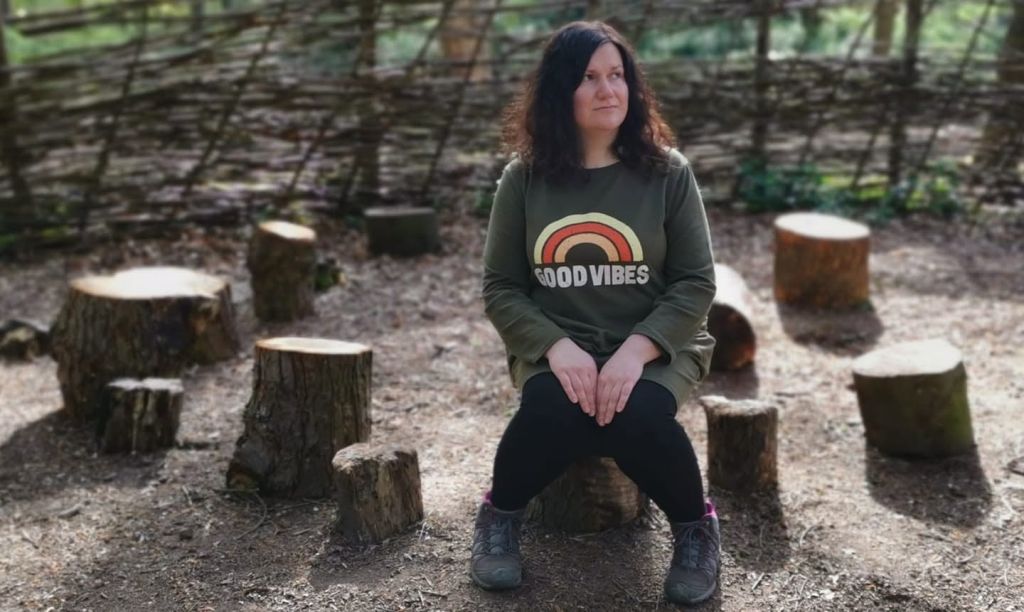
‘My countless diagnoses are the mental health equivalent of going into Aldi’
Tracey Morgan, 48, from Shrewsbury, knows what it is like to spend much of her life searching for answers. After initially seeking an assessment for ADHD, she was diagnosed with obsessive-compulsive disorder (OCD) and post-traumatic stress disorder (PTSD). She was also told that she was likely to be autistic.
It would take further assessments and years of uncertainty before she finally received an autism diagnosis.
For Tracey, the search for answers began in 2022, when she contacted her doctor to ask for an ADHD referral.
‘In 2022 I wrote to my doctor asking if I could be referred for ADHD. With the increase in education in neurodiversity and never feeling like I belonged in this world, I was wondering if I could finally find some answers for why I found the world so hard.
Psychological assessment
‘I was referred for a psychological assessment, of which I had three. They concluded that I do not have ADHD but that I have OCD and PTSD, and it was highly probable that I have Autism.’
Tracey had not previously considered that she might be autistic. Instead, she had hoped an ADHD assessment would help explain why everyday life could feel so difficult.
‘I think that’s the mental health equivalent of going to Aldi for one thing, getting distracted by the middle aisle, and coming out with three things you really didn’t want or need! I had never considered that I may be autistic, too.’
It was only after learning more about neurodiversity that Tracey began to recognise aspects of her life in descriptions of autism.
‘It then took a further four years of waiting on the list for an Autism assessment. During those four years, I researched autism and the more I read, the more I made sense of everything – my life and the things I have always struggled with.’
Autism Assessment
By the time she attended her assessment in October 2025, Tracey felt confident that she would receive a diagnosis. Instead, she was left devastated when clinicians concluded that she was not autistic.
‘By the time I got to the assessment, I was confident that I was going to have a positive diagnosis and that I could be kinder to myself. That was in October 2025. After two sessions, and at the end of the second, they advised me that although lots of my traits pointed towards an Autism diagnosis, they didn’t think I was because I can make eye contact, I have facial expressions, and I have a few friends.
‘I was devastated, totally side swiped. I felt like I had not been truly listened to, and I was then questioning my own sanity in case they were right.’
Autism can present differently in women, and some develop ways of masking their difficulties to fit in socially. This can make their experiences less obvious to other people, particularly when assessments rely on narrow or stereotypical ideas of what autism looks like.
‘Obviously, there is a lot now documented about females having autism and being able to mask so well that it would be difficult for others to know based on the old-school definition of “naughty boys”.’
Tracey continued to pursue answers and eventually received her diagnosis.
‘Luckily, I was armed with a Cat-Q test result and my Right to choose appointment and finally I was officially diagnosed.’
The childhood signs she didn’t understand
Looking back, Tracey can now identify experiences from childhood that she believes were early signs of her neurodivergence.
‘Looking back, as a child I showed many symptoms; I’m still only realising some of them now.
‘I could be incredibly anxious as a child, as a toddler my parents said that I had a throat-clearing problem where I would clear my throat constantly with no medical reason. This eventually stopped, but I moved on to skin picking – particularly my face – so as a young child I would often get up in the morning with sores all over my face from picking overnight.’
School was another source of distress. Tracey struggled to understand why other children treated her differently and tried to make friends with people who bullied her.
Throughout school, I was bullied and would try to befriend the bullies, but to no avail. I could never understand what I was doing wrong. Although I was fine during my first week of infant school, I had huge meltdowns once I realised it was forever. By meltdowns, I don’t mean screaming and kicking; I would simply implode, and there would be tears.
Despite this, I was a good student and always tried hard to behave, yet I would be exhausted by the time I got home. From a young age, I also remember practising facial expressions in the mirror, with smiling usually being my default — and it still is.
Although she eventually found friends who accepted her, the experience of feeling different remained.
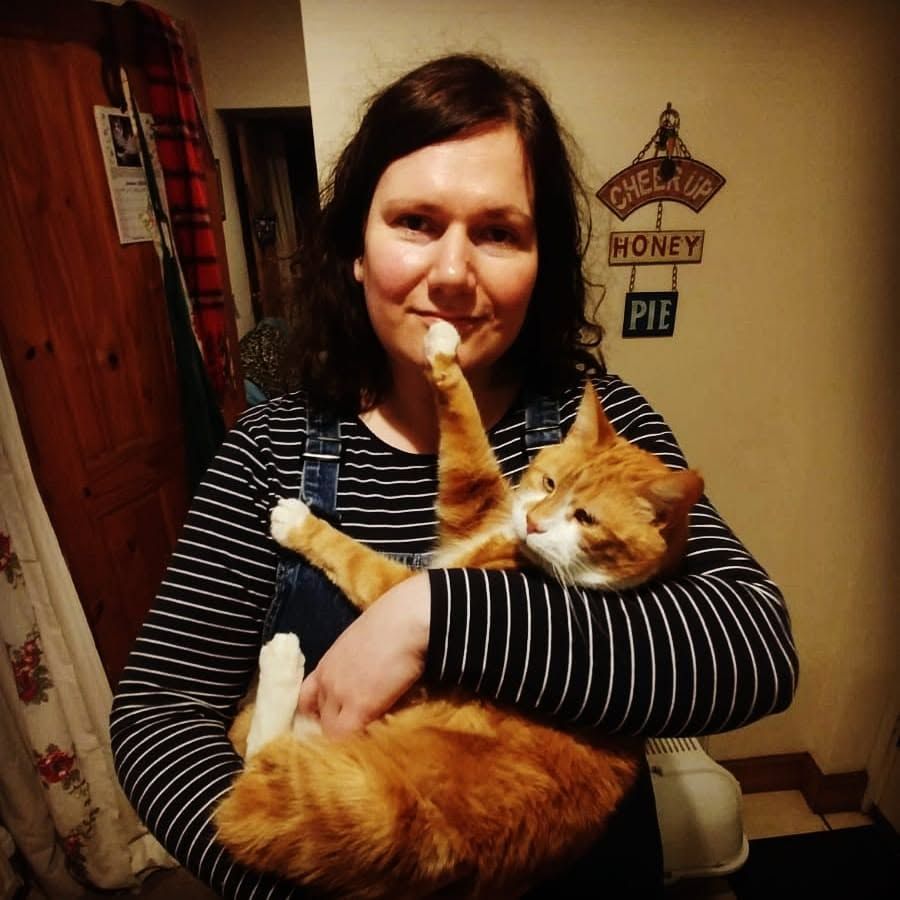
Why animals became a source of comfort
Tracey says she has always felt a strong connection with animals, finding their company easier to navigate than human relationships.
‘I have always had a huge affinity with animals – they seemed to understand more than humans did, so much so that I went vegetarian when I was nine years old. That’s not so unusual now, but in the 80’s it made me stick out even more; I couldn’t understand why anyone would want to eat their friends.’
As an adult, Tracey also experienced abusive relationships. She believes her tendency to appease others and doubt herself played a part in these experiences.
‘I went on to have several abusive relationships – I believe that can be common with autistic women; we fawn and try to appease people and lose confidence, thinking it’s us that are in the wrong.’
She also describes a pattern of throwing herself into work until she became completely exhausted.
‘I would throw myself into whatever I was doing and give 110% until I had gone past success and was dead in the water. I once had to take 12 months off sick for a small thing that happened at work that I just couldn’t get past; it really triggered something within me that I couldn’t let go. After those 12 months, I decided that I should work with animals and changed my career completely.’
Social communication could be difficult, too, particularly when people used indirect language or expected her to interpret unspoken meanings.
‘For a long time, I struggled with people not saying what they mean – I wasn’t able to read between the lines, and I hate grey areas, it drives me mad.’
Living with intrusive thoughts and physical health conditions
Tracey’s experiences are not limited to social difficulties. She also describes intrusive thoughts and compulsive behaviours associated with her OCD.
‘I struggle terribly with intrusive thoughts; they get worse when I am tired. I have certain rituals too, for example, I have to check the washing machine three times before I put it on (I’m always worried that a cat may have jumped in there).’
She says that she can also interpret everyday social invitations literally, sometimes missing the implied meaning behind them.
‘It’s only recently that I have started to understand that if someone asks me out for a coffee, it doesn’t mean coffee. I don’t drink coffee, so it was always a ‘no thanks’, and probably still is unless they specify; it’s something I can’t get past.’
Tracey also lives with stage four endometriosis, fibromyalgia and hypothyroidism. These conditions contribute to the complex picture of her health, although an autism diagnosis does not mean that every physical symptom is caused by autism.
She believes her experience highlights the difficulties women can face when several conditions overlap and the underlying reasons for their struggles remain unclear.
‘Female autistics are more likely to end up in abusive relationships, have co-morbidities – I have stage four endometriosis, fibromyalgia, hypothyroidism – they can be bad with money, struggle with friendships, mask so much that they lose themselves, and burn out whilst trying as hard as they possibly can. How many times have I thought I was a failure, I blamed myself? How many other undiagnosed autistic women are going through that too?’
Why recognising autism in women matters
For women like Tracey, receiving an autism diagnosis can offer a new way of understanding experiences that previously felt confusing or isolating. It can also help explain why certain environments, relationships or everyday demands have felt particularly difficult.
However, recognising autism is not about assuming that every mental or physical health condition is connected. Each condition deserves to be assessed and treated in its own right, with support tailored to the individual.
If you recognise some of these experiences in yourself, it does not automatically mean you are autistic. But if longstanding difficulties are affecting your daily life, speaking to your GP or a qualified health professional can be a useful starting point.