
Is there really a ‘psychopath brain’? What neuroscience reveals about psychopathy
Here's what the latest research reveals about the psychopathic brain, reward-seeking and why biology is only part of the story
 Sally Saunders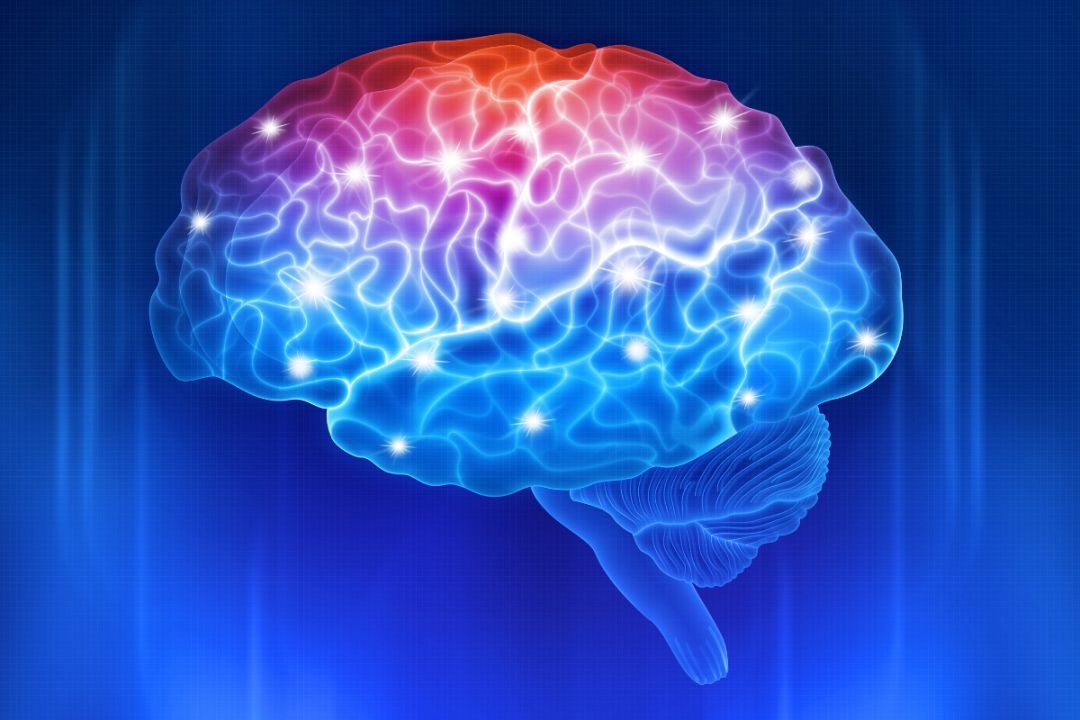
Can brain scans really identify a psychopath? Modern neuroscience is uncovering intriguing differences in the brains of people with psychopathic traits — but the reality is far more complex than the myths suggest. Here’s what the latest research reveals about the psychopathic brain, reward-seeking and why biology is only part of the story.
For years, popular culture has painted psychopaths as people whose brains are fundamentally different from everyone else’s. Films, TV dramas and true crime documentaries often suggest there is a clear biological signature — a “psychopath brain” that can explain manipulative, fearless or violent behaviour. The science tells a much more nuanced story.
Researchers have discovered subtle differences in the brains of people with higher levels of psychopathic traits, particularly in areas linked to reward, motivation and decision-making. But these findings don’t mean scientists can diagnose psychopathy with a brain scan, nor do they suggest that biology alone determines whether someone will become antisocial or violent.
Instead, modern neuroscience is helping us understand how the brain, genetics and life experiences interact to shape behaviour. The result isn’t a simple explanation, but a fascinating insight into one of psychology’s most misunderstood conditions.
A clue deep inside the brain
One of the most influential discoveries came from a 2022 study published in the Journal of Psychiatric Research.
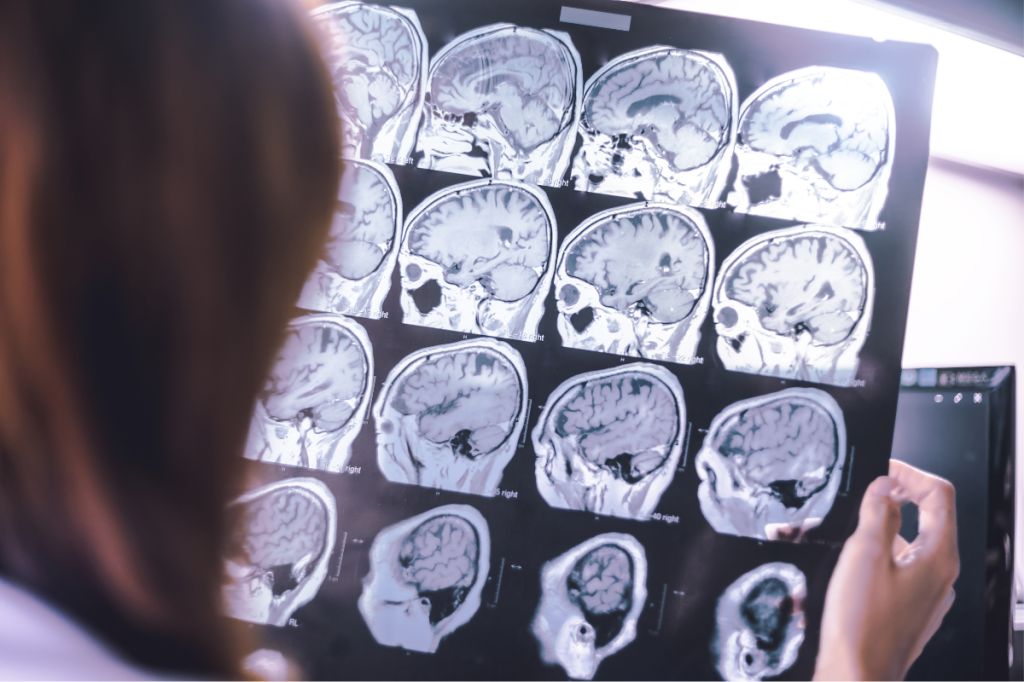
Researchers from Nanyang Technological University in Singapore, the University of Pennsylvania and California State University scanned the brains of 120 adults using MRI. They also assessed each participant’s psychopathic traits using the Psychopathy Checklist–Revised, one of the most widely used clinical assessments of psychopathy.
On average, participants with higher psychopathic traits had a striatum that was around 10 per cent larger than those with lower scores.
The striatum sits deep within the brain and plays a central role in motivation, learning and reward. It helps us decide what is worth pursuing, reinforces behaviours that bring rewards and influences how strongly we respond to exciting or pleasurable experiences.
Rather than identifying a “psychopathy centre”, the study pointed to differences in one of the brain’s key motivational systems.
Why the brain’s reward system matters
The finding was particularly interesting because it matched something psychologists had already observed for many years.
People with higher levels of psychopathic traits often show a stronger drive for stimulation. They may be more likely to seek excitement, take risks or pursue immediate rewards, even when those choices have negative consequences.
The researchers found that stimulation-seeking and impulsivity explained almost half (49.4 per cent) of the relationship between larger striatal volume and psychopathic traits.
In other words, differences in the brain’s reward system may help explain why some people are naturally drawn towards novelty, thrill-seeking or high-risk behaviour.
That doesn’t mean an enlarged striatum causes psychopathy. Nor does it mean everyone with these brain differences will behave in harmful ways.
The same drive for reward can be expressed very differently depending on the individual and the environment. One person might channel it into entrepreneurship, elite sport or emergency medicine, while another may be more prone to reckless or antisocial behaviour.

Biology is only part of the story
Associate Professor Olivia Choy, one of the study’s authors, believes the findings add an important piece to the puzzle. “Our study’s results help advance our knowledge about what underlies antisocial behaviour such as psychopathy,” she said. “In addition to social environmental influences, it is important to consider that there can be differences in biology.”
For decades, psychologists debated whether psychopathy was shaped mainly by genetics or by upbringing. Modern neuroscience increasingly suggests the answer is both.
Some aspects of brain development are influenced by inherited biology, while experiences throughout childhood and adulthood continue to shape how the brain develops and functions.
Professor Adrian Raine, another member of the research team, argues that the findings support the idea that psychopathy has developmental roots. Because brain structures such as the striatum are partly influenced by genetics, he believes the differences may begin during childhood or adolescence.
At the same time, researchers emphasise that experiences, relationships and environment also affect how the brain develops. Biology creates tendencies — not destiny.
There is no single “psychopath brain”
Although the enlarged striatum attracted widespread attention, neuroscientists no longer believe psychopathy can be explained by one brain region alone. Instead, personality emerges from networks of brain regions working together.
More recent research suggests psychopathy involves subtle differences across systems responsible for emotional processing, self-control, reward, decision-making and social understanding.
Rather than searching for one defining feature, scientists are increasingly studying how these networks communicate with one another.
The emerging picture is far more complex than the idea of one damaged or missing part of the brain.
Perhaps the most important lesson from modern neuroscience is also the least sensational.
There is no single “psychopath brain”. Instead, psychopathy appears to arise from a complex interaction between biology and experience — one that scientists are only beginning to understand.
Words: Anne Fletcher, Images: Shutterstock