Struggling to let go of a loved one’s belongings? How to preserve their memory without keeping everything
Parting with a loved one’s possessions can feel surprisingly disloyal. But keeping their memory close doesn’t have to mean finding a place for everything they left behind.
By 
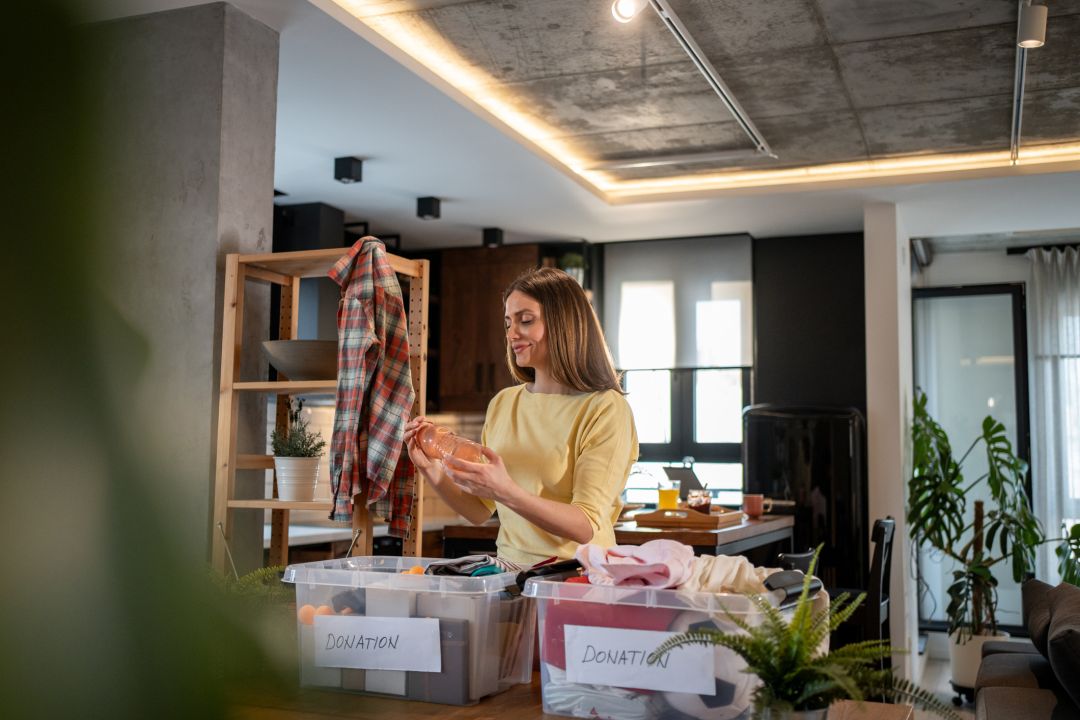
The chair is too big for your sitting room. The ornaments have never been to your taste. There are boxes of clothes, books and kitchen things you know you won’t use, yet deciding what to do with them feels painfully difficult.
When someone dies, their belongings can become much more than objects. A familiar coat brings back the sight of them arriving at your door. A handwritten shopping list makes their everyday life feel momentarily present again.
Even things you don’t particularly like can feel impossible to release. They mattered to someone you loved. Doesn’t that mean they should matter to you?
Bereavement counsellor Dr John Wilson, director of the Bereavement Service at York St John Communities Centre and author of The Plain Guide to Grief, explains why these decisions can carry such emotional weight.
“All the possessions of your loved one feel like part of who they were,” he tells Psychologies.
In the early period after a loss, he says, you may not want to part with anything. Letting an object go can feel like losing another small piece of the person.
Let your feelings change
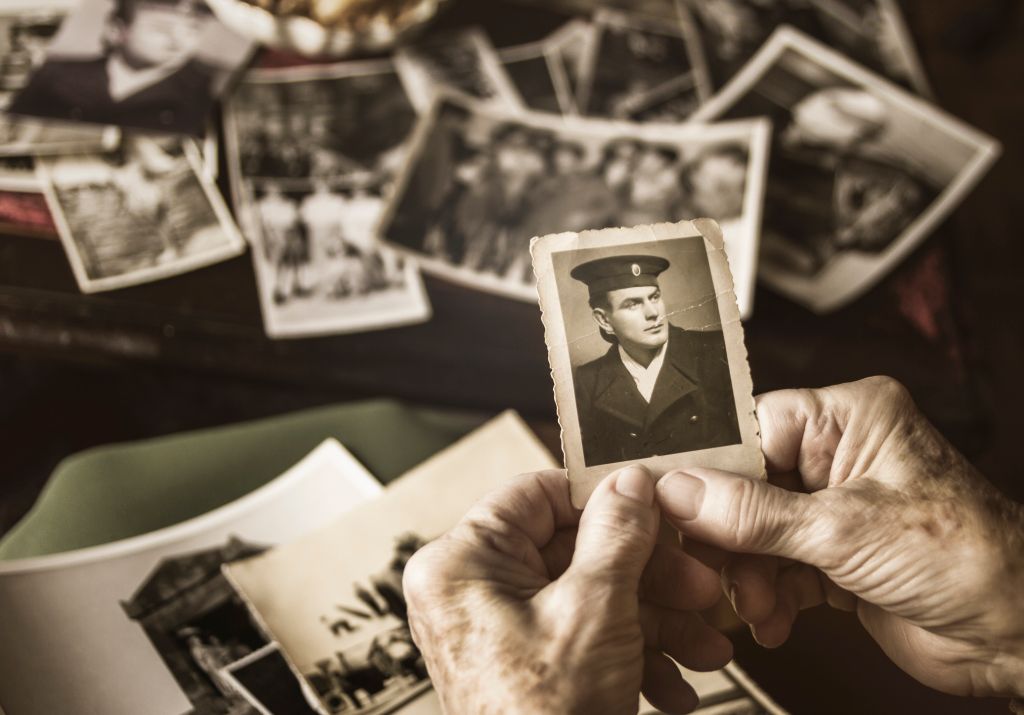
A possession may hold several meanings at once. You remember how much your mother loved a particular pendant, but also how it looked against her favourite dress. Your father’s chair recalls where he sat, the conversations you had and the sound of the television in the background. “It may feel disloyal to part with things that you knew were precious to them,” says Wilson.
For many people, he explains, the intensity of these feelings eases over time. Some objects retain a lasting significance, while others gradually become easier to pass on.
You don’t have to know immediately which will be which. Something that feels indispensable now may feel different later, and a small item you initially overlooked may become the thing you most treasure.
Your relationship with the person also matters. Sorting a parent’s home is a different experience from deciding what to do with a partner’s clothes in the bedroom you shared, there is no single approach that fits every loss.
Give yourself time where you can
Other people may have opinions about when you should clear a wardrobe or sort the boxes. Their readiness, however, doesn’t determine yours.”Every person’s grief is unique to them,” says Wilson.
Where there is no pressing practical need, allow yourself to make decisions gradually. You might sort one drawer, choose a few items to keep or leave a particular box untouched until you feel more able to face it.
Sometimes circumstances impose a deadline. A rented property may need to be emptied, or a home prepared for sale, before you feel ready.
Wilson suggests recording a walk through the house on your phone before it is cleared, pausing in each room to describe what it means to you. This can preserve details and memories that would be difficult to capture through objects alone.
If space allows, small possessions can be stored temporarily for later consideration. Papers, photographs, diaries and handwritten notes may be especially worth setting aside while you work through more urgent practical tasks.
Understand what an object means to someone else
Siblings can look at the same possession and see entirely different things. An ornament you barely noticed may carry a cherished memory for your sister. Something you want to keep may seem unimportant to your brother. “They attach their own meaning to parental possessions,” Wilson explains.
Rather than assuming a disagreement is about the object’s value, explain the memory behind it. A perfume bottle might remind you of being caught spraying it as a child, and your mother trying not to laugh as she told you off.
Hearing that story gives another person something to understand. Equally, listening to their memories may help you see why an item matters to them.
Where possible, avoid rushing irreversible decisions. Different attachments deserve consideration, even when they don’t match your own.
Carry the connection forward
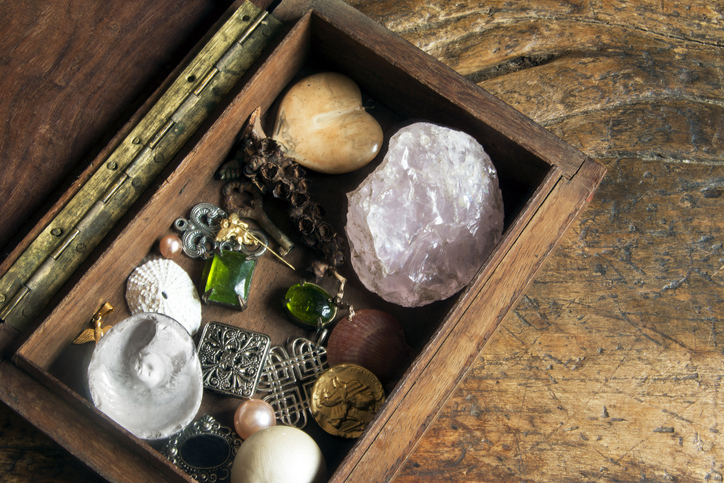
Wilson describes an approach in grief work known as continuing bonds: finding ways for a relationship with someone who has died to remain part of your life. The concept recognises that an enduring connection can take forms beyond retaining possessions.
For one person, that might mean tending a garden or cooking from a handwritten recipe book. For another, it could be supporting a charity or passing on something their loved one taught them.
Wilson’s own connection with his father lives through carpentry. “My personal continuing bond with my dad is inheriting his love of wood and his carpentry skills.”
He used those skills to build the garden room where he sees clients and teaches online. “Dad is there with me as I work.”
You may eventually keep a handful of objects, many possessions or very few. If sorting feels overwhelming or you want help understanding the feelings it brings up, a bereavement counsellor can offer support.
The memories, skills and values you carry can have a place in your future, even when the chair cannot have a place in your home.