Unlocking inner strength: Can spirituality transform your mental health?
 Sally Saunders
Stress, anxiety and loneliness are increasingly common — while therapy, exercise, and medication remain important mental-health tools, some believe spirituality is an often-overlooked part of emotional wellbeing.
From mindfulness and meditation to faith, nature, and self-reflection, spiritual practices are increasingly associated with resilience, emotional balance, and a greater sense of connection. Chartered Psychologist and Associate Professor of Contemplative Psychology Dr William Van Gordon believes spirituality can help people better understand themselves and navigate life’s challenges with greater clarity, while recovery coach Elizabeth Walker shares how spirituality can foster self-compassion, hope, and emotional healing.

Why spirituality matters
“Spiritual well-being and spiritual nourishment are not just helpful for mental health, but are essential and core ingredients,” Dr Van Gordon says. “Spirituality allows us to draw strength, purpose, and resilience from many different sources and apply them to many areas of life. It helps us feel whole as a person.”
Having spent ten years as a Buddhist monk before entering academia, Dr Van Gordon combines personal experience with scientific insight, exploring how spiritual practices can positively affect mental wellbeing.
Recovery coach Elizabeth Walker, who works with people recovering from substance use, codependency, and behavioural addictions, shares a similar perspective. Following her own recovery journey, she experienced what she describes as “a spiritual awakening epiphany,” though not in the dramatic way she expected.
“I was wanting a thunderbolt and beautiful angels to appear,” she says. “And it was really more of a drip-feed process of just being able to be at peace with me, with who I am, with the world around me.”
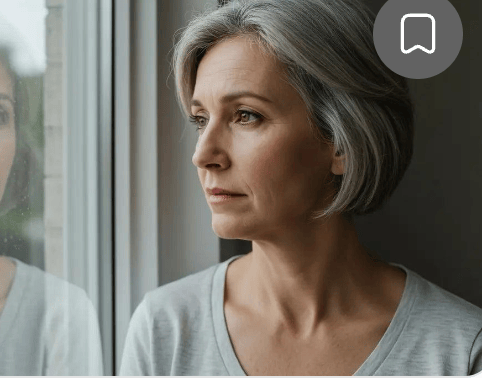
For Walker, spirituality is rooted in authenticity and self-acceptance. “It’s being able to look at myself in the mirror with compassion and with love, without the judgement and condemnation that a lot of people find themselves in.”
Building resilience through spirituality
Modern life often prioritises productivity and achievement over inner growth, contributing to widespread mental health struggles. According to Dr Van Gordon, spirituality can help people develop emotional resilience by shifting their perspective beyond themselves.
“It opens our hearts up to our own, but importantly also others’, suffering,” he says. “That outward-looking perspective is beneficial for us as individuals. Some self-focus is necessary for wellbeing, but if we become too self-absorbed, it has the opposite effect.”
Recognising that suffering is a universal human experience can help reduce feelings of isolation and provide greater perspective during difficult periods.
Walker believes spirituality can also help people reframe hardship.
“It can help us shift the perspective out of ‘this is happening to me’ to ‘this is happening for me’,” she explains. “Or it can give us something to hold on to, to know we’re not alone in this.”
That sense of hope can be especially important during grief, illness, or recovery.
“When we have that connection to something outside ourselves — or something that has our back the whole time — it becomes easier to hold on to hope,” she says.
Finding purpose and peace
Many people struggle with questions around meaning and purpose, particularly during periods of uncertainty or change. Dr Van Gordon believes spirituality can help people approach those questions with greater confidence and perspective.
“It can change our perspective towards some of the bigger questions,” he explains. “Without that bigger-than-self perspective, it’s easy to become lonely, it’s easy to become lost.”
For Walker, spirituality is not necessarily connected to religion, but to the values that shape daily life. She points to principles such as “willingness, open-mindedness, forgiveness, hope, faith, compassion, honesty, discipline” as examples of spiritual values that can guide behaviour and relationships.
“Spirituality can be the way we move through the world,” she says.
It can also encourage people to focus less on chasing future achievements and more on finding contentment in the present moment.
“Spirituality can provide happiness through just accepting where we are now and not needing to be somewhere else,” Dr Van Gordon says. “We have the capacity, the raw ingredients within us, to cultivate happiness.”
Walker agrees, describing spirituality as “the ability to just be content and at peace with what is.”
“It’s being able to move through this world with a sense of peace and being able to enjoy or find contentment in what is,” she says.
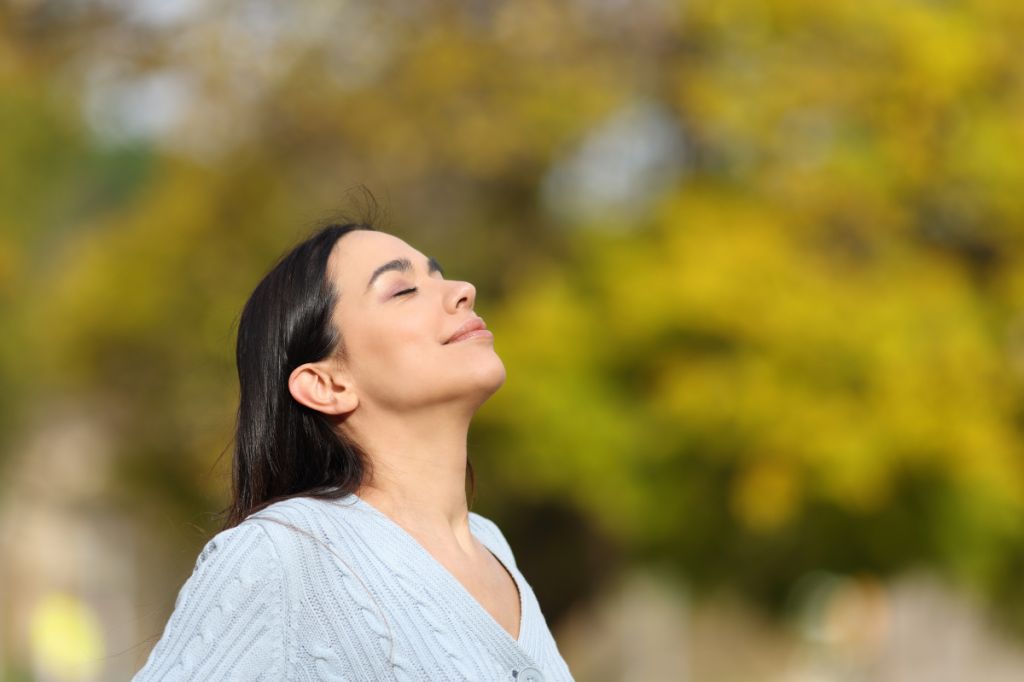
Self-awareness and emotional control
A common misconception is that spirituality requires surrendering control. Dr Van Gordon argues the opposite: spiritual exploration can strengthen self-awareness and emotional regulation.
“If we connect with ourselves internally, we do have control over that,” he says. “We can understand more and more what is happening inside us emotionally, cognitively, even physically, and respond rather than react.”
Rather than being ruled by stress or impulsive reactions, spirituality can help people respond to challenges with greater calm and clarity.
Walker believes this inner relationship is central to wellbeing.
“If the relationship I have with myself is not kind, it’s going to be a really uncomfortable and unpleasant journey,” she says. “When our inner world is speaking to us with compassion, forgiveness, and love, we experience a much nicer quality of life.”
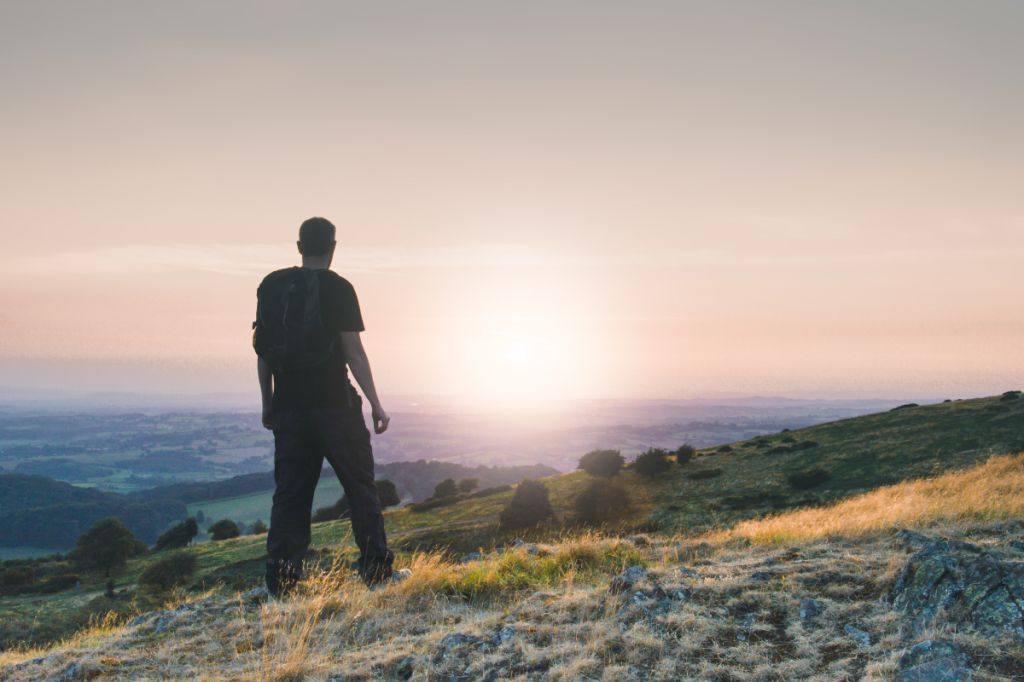
Spirituality beyond religion
Dr Van Gordon is careful to distinguish spirituality from organised religion. “Religion is one thing, and spirituality is another,” he says. “All things can act as a reminder of our own spirituality, if we want them to.”
For those hesitant about religious frameworks, he recommends approaching spirituality as an inward journey of self-understanding.
“You don’t even have to call it a spiritual journey if you don’t want to,” he explains. “It could be a psychological journey to understand your inner self, what makes you happy, your mind and feelings more deeply.”
Walker also stresses that spirituality can take many forms. “The people who struggle with the idea of God or a higher power often connect instead with nature,” she says. “Nature just works. It survives storms, earthquakes, everything thrown at it. It evolves and grows through difficulty.”
Ultimately, Dr Van Gordon believes spirituality should be viewed as a practical tool for supporting mental health rather than an abstract concept.
“We often look for solutions outside of ourselves,” he says. “But happiness and resilience are already within us. Spirituality allows us to access those resources and to live more fully, with a sense of purpose, connection, and understanding.”
Words: Anne Fletcher, Images: Shutterstock