Pain and stiffness are not normal parts of ageing – here are 10 ways to improve your mobility, according to a physiotherapist
Don't let pain shrink your life - here's how to stay strong, mobile and pain-free as you age.
By 
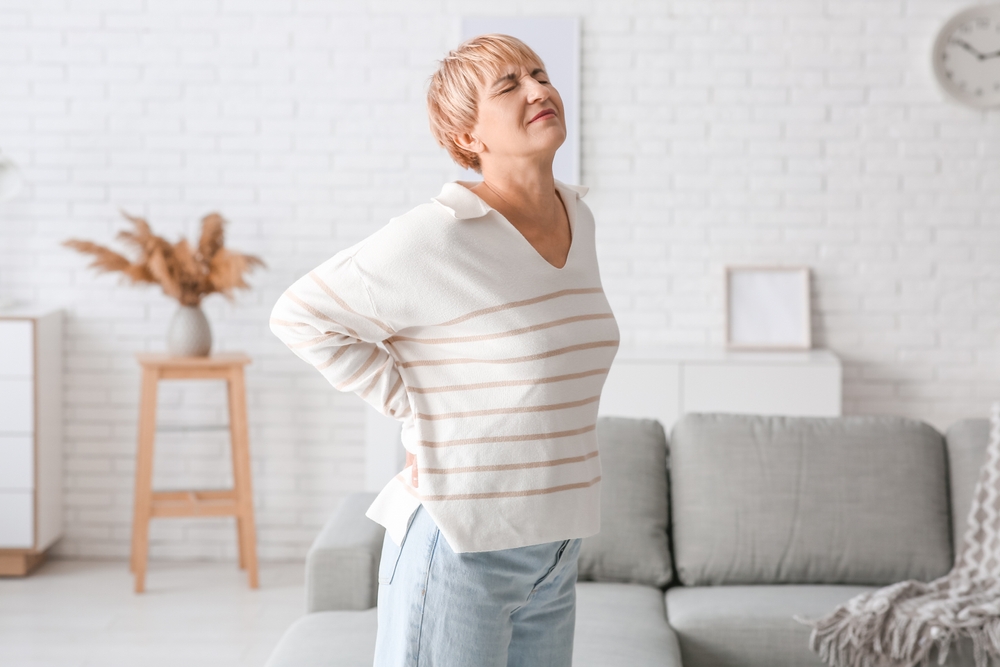
Pain and stiffness are often seen as normal parts of ageing. But while getting older is unavoidable, there are steps you can take to keep your body strong, mobile and pain-free into your 50s, 60s and beyond.
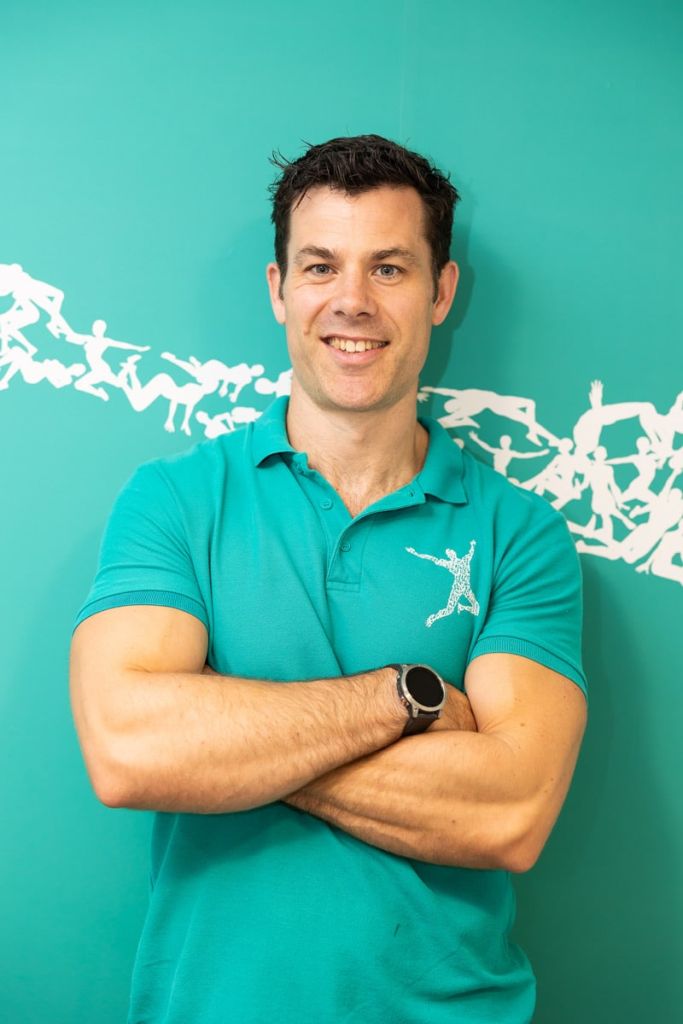
‘Our bodies do change as we get older,’ comments Phil Evans, physiotherapist, author and founder of Urban Body. ‘We naturally lose muscle, recovery takes a little longer, and joints can become stiffer if we stop using them. But that’s very different from saying that pain automatically means you’re wearing out or that relying on painkillers is the only option.’
Below, Phil shares his top 10 tips to ease joint pain, improve muscle strength and maintain your mobility for life.
1. Don’t assume pain means you’re wearing out
‘One of the first questions I ask clients is, “What do you think is causing your pain?”,’ says Phil. ‘More often than not, the answer is, “I suppose it’s just my age”.’
‘Sometimes there are arthritic or age-related changes, but pain is far more complex than most people realise,’ he continues. ‘Strength, sleep, confidence, stress, previous injuries and the way we move can all influence how much pain we experience. Pain deserves to be understood, not simply accepted.’
2. Keep moving, even if you have to move differently
When pain strikes, your instant response might be to cease all movement until you feel completely better – but this can cause joint stiffness to worsen. ‘One of the biggest mistakes I see is people waiting until they’re pain-free before they start moving again,’ Phil explains. ‘In reality, appropriate movement is often part of the reason people become pain-free.’
‘That doesn’t mean ignoring severe pain or pushing through symptoms,’ he adds. ‘It means finding movements you can do comfortably and gradually building from there. Most joints respond far better to sensible movement than prolonged rest.’
3. Strength is your body’s natural support system
‘Strong muscles make everyday life easier,’ Phil explains. ‘They help support your joints, improve balance and make it easier to stay active for longer. But from around the age of forty, we gradually begin to lose muscle through a process called sarcopenia.’
If you want to strengthen your muscles, Phil recommends starting with simple, at-home exercises. ‘One of my favourite exercises is the sit-to-stand, where you stand up from a chair ten times without using your hands,’ he tells us. ‘This exercise is simple, practical and strengthens many of the muscles we rely on every day.’
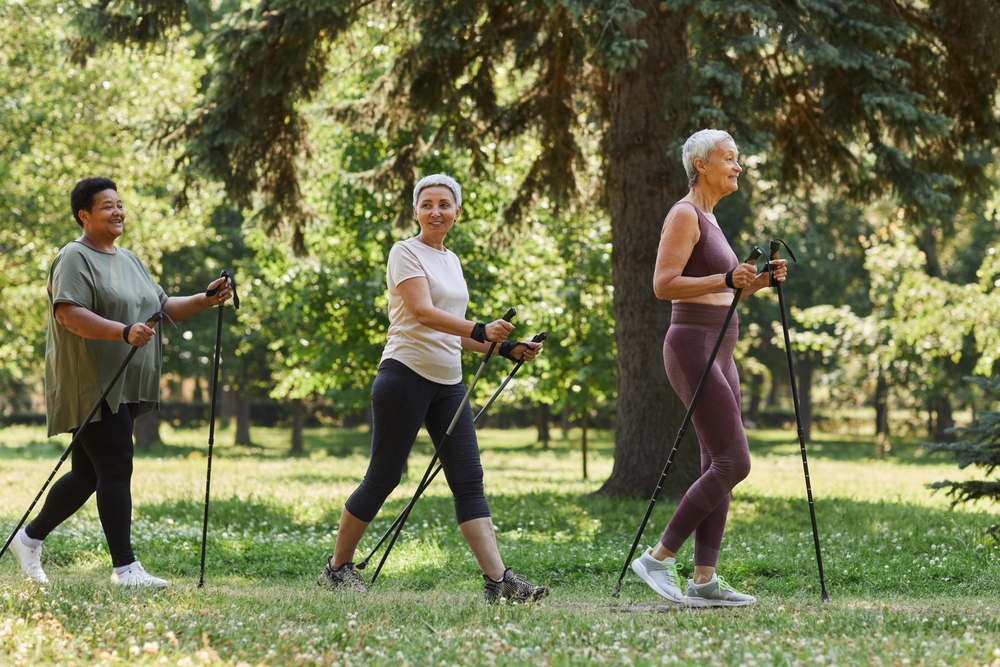
4. Walking is brilliant, but it isn’t the whole answer
Walking regularly is a great way to stay fit – but it’s not enough by itself. ‘Walking is fantastic for your heart, your lungs, your mood and your general health,’ says Phil. ‘But walking alone won’t keep every muscle strong.’
‘The people who stay active into their seventies and eighties usually don’t just keep walking,’ he adds. ‘They usually combine walking with some simple strength exercises to keep their muscles strong as well. You need both.’
5. Don’t wait until your balance becomes a problem
As you age, you might find it more difficult to keep your balance, potentially increasing your risk of falling and injuring yourself. ‘Balance is one of those things people rarely think about until they lose confidence in it,’ says Phil. ‘The encouraging news is that balance is trainable.’
To start working on your balance at home, Phil recommends trying out the following exercise: ‘Stand on one leg while holding onto a kitchen worktop for support. Aim for up to thirty seconds on each side. It may not sound like much, but done regularly, it can make a real difference to confidence and stability.’
6. Don’t ignore poor sleep
‘Most people expect me to ask about their knee or their shoulder first, but sleep is one of the biggest influences on how we experience pain,’ Phil shares. ‘When we’re sleeping badly, we don’t just wake up feeling tired. We often become more sensitive to pain, recover more slowly and find it harder to cope with everyday aches and stiffness.’
When it comes to maintaining your joint health and mobility, Phil stresses that good quality sleep is key. ‘Looking after your sleep isn’t separate from looking after your joints,’ he explains. ‘The two are closely connected, which is why improving sleep is often an important part of helping people move better again.’
7. Think of painkillers as a bridge, not the destination
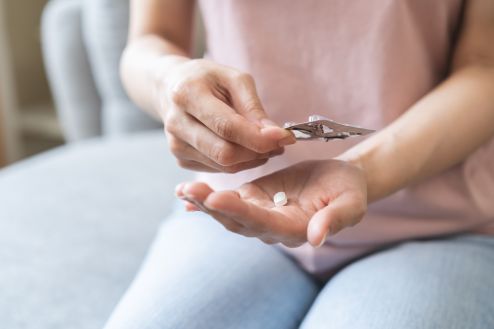
While painkillers are a great tool to have on your journey to living pain-free, they shouldn’t be seen as the whole answer. ‘Painkillers absolutely have a place,’ says Phil. ‘If they make someone comfortable enough to start moving again, they’ve done an important job. But the difficulty is when they become the whole strategy.’
‘Long-term improvement usually comes from understanding why something hurts and addressing the underlying reasons wherever possible,’ he adds. ‘I often think of painkillers as creating a window of opportunity. If painkillers make it easier to move, use that opportunity well. Go for the walk, do the strengthening exercises and gradually rebuild your confidence. The aim is for your body to become stronger, not simply more comfortable.’
8. Don’t let pain shrink your world
When you begin accepting pain and stiffness as part of your everyday life, it can start holding you back from living your life to the full. ‘It’s rarely the painful knee or stiff shoulder that changes someone’s life,’ says Phil. ‘It’s avoiding long walks with friends because you’re worried about slowing everyone down. It’s saying no to a day out because you’re not sure your body will cope.’
‘One of the biggest mistakes I see is people gradually expecting less from their bodies as they get older,’ he adds. ‘Once that happens, they often start moving less, becoming less confident and avoiding the very activities that help keep them strong. Before long, their world has become smaller without them even realising it.’
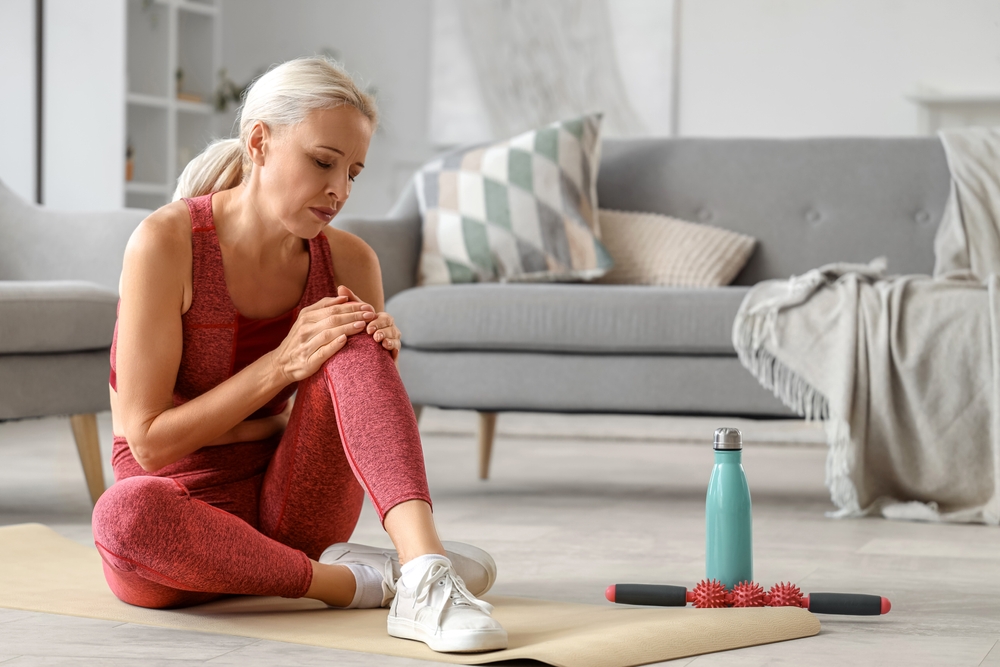
9. Progress is usually slower than you might expect
When you’re trying to improving your mobility in your 50s, 60s and beyond, it’s important to manage your expectations and focus on the little wins. ‘Most people expect recovery to happen in one dramatic moment,’ Phil tells us. ‘In reality, it’s often the small wins that matter most.’
‘Celebrate walking a little further than last week, climbing the stairs without thinking about it, or standing up from the sofa a little more easily,’ he adds. ‘Those small improvements are signs that your body is adapting.’
10. Don’t settle for “it’s just your age”
‘Growing older doesn’t mean you should ignore persistent pain or accept losing your mobility without asking questions,’ Phil stresses. ‘The first step isn’t always finding the perfect treatment: it’s understanding what’s driving your symptoms. Once people have a clear explanation and a sensible plan, I’ve seen countless individuals regain strength, confidence and the ability to do things they thought they’d left behind.’
Overall, Phil believes refusing to accept that pain is a normal part of ageing is the first step to living with greater ease and mobility. ‘Don’t assume pain is simply the price of getting older,’ he stresses. ‘Your body is often far more adaptable than you think.’
‘I’ve worked with people in their sixties, seventies and eighties who believed their best years were behind them,’ he adds. ‘Many are now walking further, travelling more, gardening again and spending time with grandchildren because they stopped seeing pain as the end of the story.’
‘Your joints don’t need perfection,’ Phil concludes. ‘They just need movement, strength and support. Give your body a reason to adapt, and it will often surprise you with what it’s still capable of.’
Phil Evans (Phil the Physio) is the author of Build to Last After 50 and a Chartered Physiotherapist with over twenty years’ experience helping people over fifty move better, get stronger, and stay independent. He is also the founder of Urban Body, which combines evidence-based physiotherapy with advanced rehab to help people take control of their health.