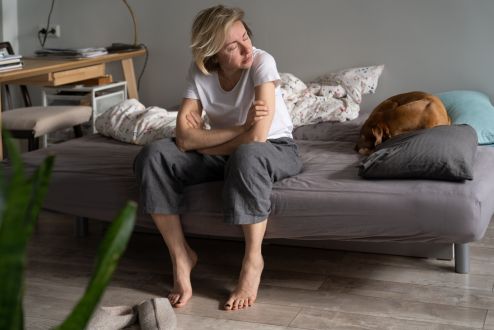
People ask me what it’s like to parent a child with ADHD — this is what I tell them
 Sally Saunders
Parenting a child with ADHD or other special educational needs is often a journey filled with self-doubt and isolation. But Olivia Kessel and her daughter’s story shows how understanding the reality of your situation can lead to powerful transformation.
“I just wanted her to get dressed without a meltdown,” Dr Olivia Kessel reflects, looking back at the early days of her journey as a parent to a child with ADHD. “But it was like fighting an uphill battle every single day. It felt like I was walking on eggshells.”
At the age of 11, Kessel’s daughter Alexandra struggled with tasks that many would consider simple: having a shower, getting dressed, packing her school bag. The frustrations were mounting, and Kessel felt defeated. It wasn’t just that her daughter was resisting; it was the sense that something more was at play, something beyond simple childhood defiance.
“Every day was a battle,” Kessel continues, “and it wasn’t just about managing the chaos in my daughter’s world — it was about managing my own emotions. I couldn’t understand why she couldn’t just do these things, but I didn’t know at the time, we were up against something much bigger than I could grasp.”
“It felt like I was in an abusive relationship with my child,” she admits. “I took everything personally, and I was emotionally exhausted.”

When everything changed
Kessel’s daughter was diagnosed with Attention Deficit Hyperactivity Disorder (ADHD) shortly before turning 12. The signs had been evident long before, but they hadn’t been correctly identified.
“I thought ADHD looked like hyperactivity and impulsiveness,” says Kessel, herself a former medical doctor and respected expert in life sciences. “But my daughter wasn’t bouncing off the walls. It wasn’t until I understood more about ADHD in girls, and how it often presents differently, that things started to make sense.”
She is now sharing her knowledge both through a podcast and new book — Beyond The Label: Empowering Parents of ADHD Girls (Robinson, £16.99). Her daughter’s diagnosis was part of a longer journey for the pair — one that included Kessel’s own struggles with dyslexia and the challenges of navigating the educational system.
“As a doctor, I thought I knew a lot, but when it came to understanding ADHD, I had to go through a lot of learning myself,” she says. “I had to recognise that this wasn’t something I could fix with willpower or discipline. This was a neurodevelopmental condition that needed support.
“I started to learn that with ADHD, it’s not about behaviour management; it’s about understanding how the brain works differently. It’s about providing structure, support, and compassion.”
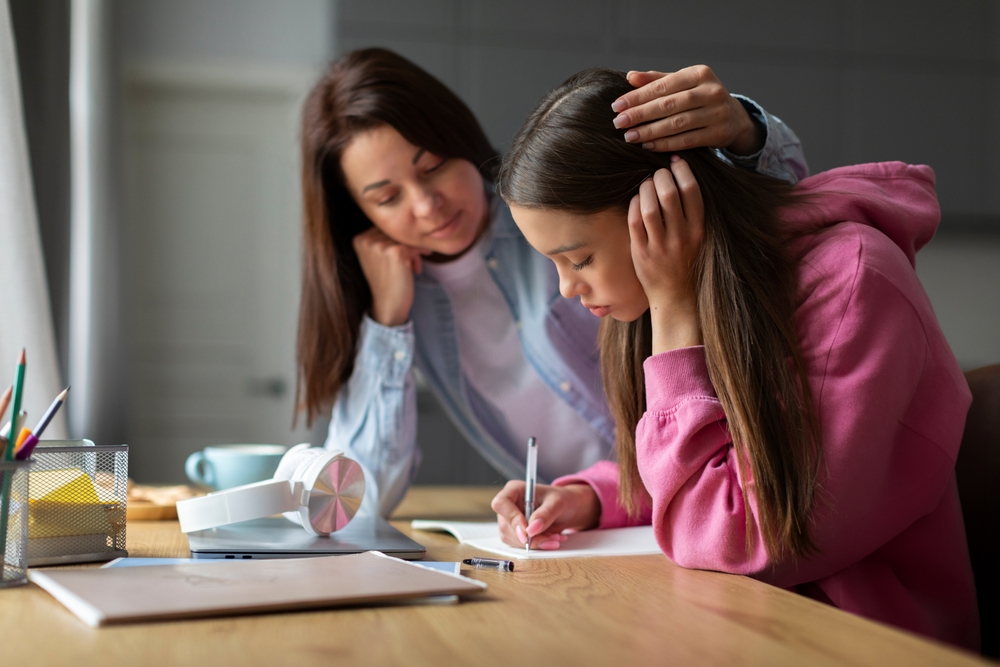
Shame over parental judgment
This reluctance to accept her child’s issues were perhaps down to the societal challenges of parenting a child with special educational needs. “People just don’t get it,” she says, her voice tinged with a mix of frustration and weariness. “I remember feeling like I was a failure as a parent. I’d see other parents whose kids were excelling, and I couldn’t even get my daughter out the door in the morning without a fight. And the worst part? The shame I felt when people judged me.”
Kessel’s experience resonates with so many parents in the SEND community — those who face harsh judgement from others who don’t understand the complexity of raising a neurodivergent child. “I think if there’s one thing I’ve learned in this journey, it’s the importance of owning it,” she says firmly. “Screw what other people think. You have to own your own path and do what works for your family, not for the judgement of others.”
Autonomy and support
A key element in Kessel’s approach to parenting her daughter was learning to let her child embrace her own autonomy. “You cannot tell an ADHD child what to do. If I tell my daughter to do something, it’s like I’ve told her not to do it. It’s a natural resistance,” Kessel explains. “But if you give her a choice — if she can make her own decision — everything changes.”
This wasn’t just a parenting technique; it was a survival strategy. “When I started to shift my approach and give her autonomy, she flourished. Yes, it’s a lot of negotiation, but it’s a negotiation rooted in respect for her needs and capabilities.”
This shift wasn’t easy for Kessel. It required unlearning years of traditional parenting models that emphasise control. “As a doctor, I was used to giving orders,” she laughs. “But I had to learn that parenting a neurodiverse child isn’t about being in charge. It’s about working with them, not against them.”
Another important lesson was the importance of self-regulation — and not just for her daughter.
“I wasn’t just working on my daughter’s emotional regulation — I was working on my own,” she says. “I had to learn how to stay calm in the face of chaos, how to keep my emotions in check when everything felt out of control.”
“That’s the secret,” Kessel adds. “If I’m calm, I can better support my daughter. If I’m spiralling out of control, it’s harder to help her. It’s a process, and I’ve had to be patient with myself. But it makes a huge difference.”

A life transformed
Kessel now feels a sense of hope for the future. “When we first started this journey, I didn’t know where we were headed,” she says. “There were days when I didn’t know if we’d make it through without some kind of breakdown,” she says. “But now, I look at my daughter, and I see her thriving. She’s got her own rhythm. She’s not just surviving; she’s thriving. I know it’s not perfect. We still have our tough days, but we’ve come so far. And now I can go out in the evening. I can have a life outside of being her mom. She’s thriving, and so am I.”
Kessel is now an advocate and the founder of the SEND Parenting Podcast, a platform dedicated to supporting parents raising neurodiverse children. Through her podcast and groups for SEND parents, she offers both support and understanding to others navigating similar challenges. “I wanted to create a space where parents could share their struggles, their triumphs, and feel like they weren’t alone. It’s empowering to know that we’re all in this together.
“We’ve got doctors, lawyers, stay-at-home moms — all kinds of people from different walks of life who come together to support each other. And that’s something that didn’t exist when I started. Back then, I felt I was completely on my own.”
Through this network, she continues to advocate for better understanding, support, and recognition of the needs of neurodiverse children. “I want people to stop trivialising ADHD,” she says. “It’s not just a buzzword. It’s a neurodevelopmental condition. When parents get the right support, and children receive the right care, the results are life-changing. And you just have to own the chaos. Then it’s magic what you can do.”
Words: Sally Saunders, Images: Shutterstock