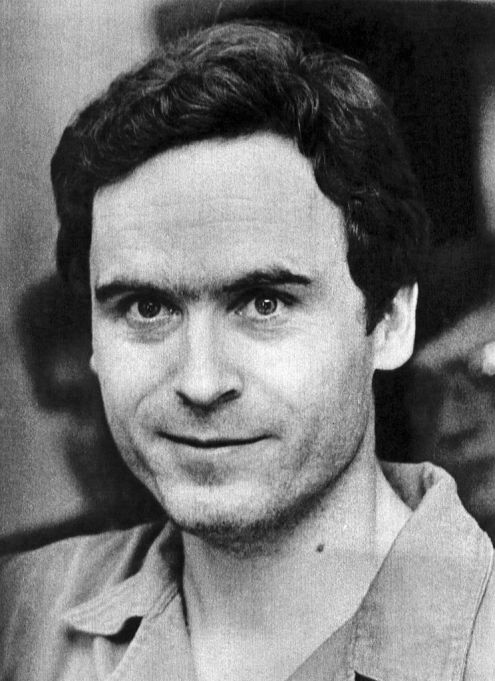
‘As an FBI profiler, I interviewed serial killers – including the notorious Ed Kemper, who told me he had handed himself in because he knew he couldn’t stop killing.’
By 
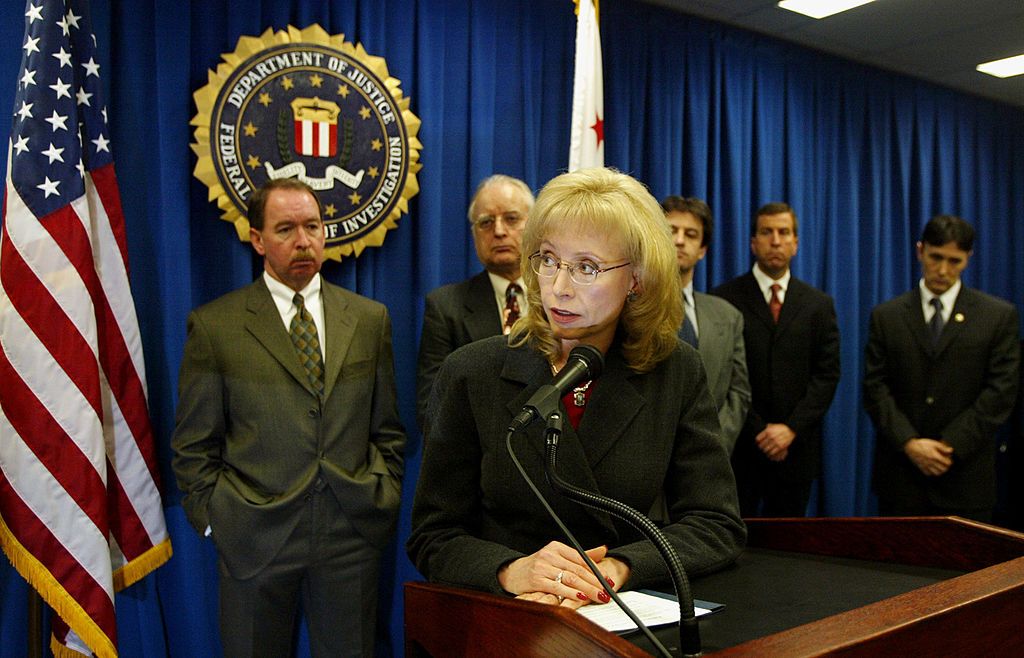
Jana Monroe was the first female agent in the world-renowned FBI Behavioral Science Unit and the inspiration for Clarice Starling in The Silence Of The Lambs, even helping to train Jodie Foster for her Oscar-winning role. Here, she shares her experience of interviewing some of the world’s most notorious serial killers.
PICS: GETTY IMAGES
Walking through the prison corridors, with death-row inmates yelling abuse and hurling obscenities, Jana Monroe tried not to let the intimidation she felt show. She knew she had to keep her mind on the task ahead: meeting one of America’s most notorious serial killers – Ed Kemper.
Ed Kemper had murdered his grandparents when he was just 15, before going on to kill six female hitchhikers, his mother and her friend. Now, Monroe was about to sit across from him.
As a criminal profiler with the FBI’s Behavioral Science Unit (BSU) in Quantico, Virginia, Monroe was used to dealing with dangerous men. Her work involved interviewing some of America’s most violent criminals, gathering information that could help investigators understand how they thought and why they killed.
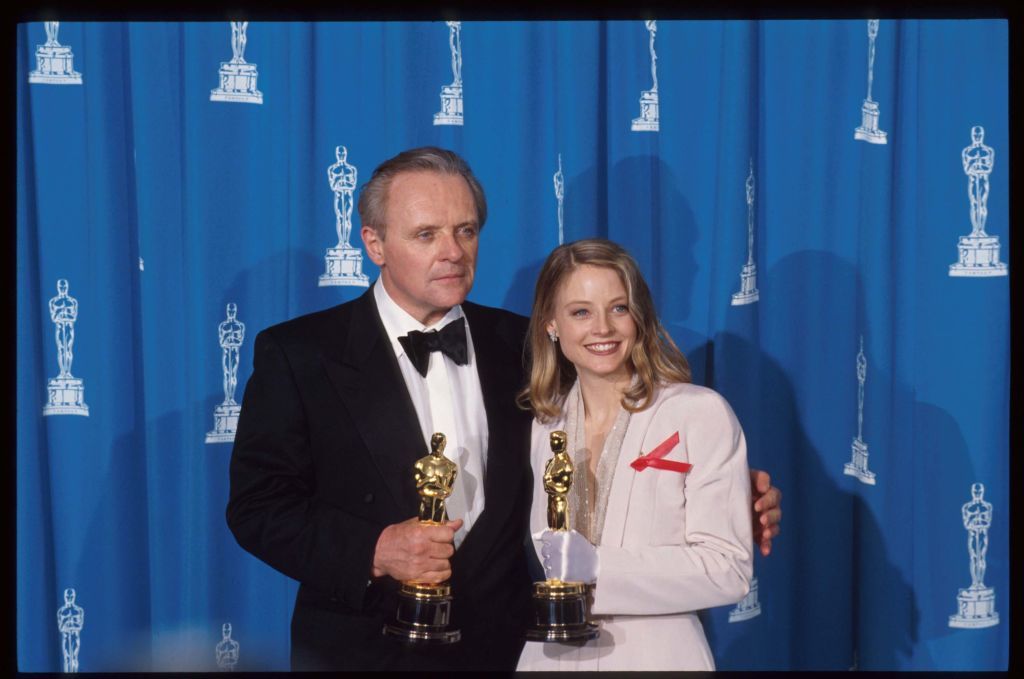
It was a role that would later help inspire Jodie Foster’s Clarice Starling in Silence Of The Lambs. Monroe was the real-life inspiration behind the character and coached the actress on how to portray a woman confronting evil.
“I’d already interviewed 16 serial killers by the time I met Kemper in 1991, but he was in a different league,” she says.
At 6ft 9in, with a flat, emotionless voice and an unnerving stare, Kemper was physically imposing. The pair sat opposite each other, separated by a pane of glass, while he stared at Monroe intensely without blinking.
”“He was intimidating,” she recalls, “It was impossible to make a connection.”
Her aim was to discover whether there were any other victims, while also trying to understand what had driven him to kill.
Kemper did not offer much, but he did tell her that he had handed himself in because he feared he knew he’d never stop killing.
Monroe developed a talent for finding details in a murder scene that shone light on a killer’s personality and motivation.
“Did the killer leave a signature that would help link the victims?” she would ask. “Did he sever their heads, or keep a particular body part as a souvenir?”
Later, while investigating a series of murders in Philadelphia, Monroe unexpectedly heard from Kemper again. The FBI had passed on his call and he offered to help with the case. Reluctantly, Monroe outlined the details of the killings.
His response was chilling.
“That’s for control and enjoyment,” he repeatedly told her. “It’s knowing that you are in control, and they are totally petrified of you.”
The conversation gave Monroe little useful insight into the case, and she decided not to speak to him again.
By then, the BSU had become famous around the world, thanks in part to the 1991 release of Silence Of The Lambs. Although Clarice Starling was fictional, Monroe was the only woman working in the unit at the time and was uniquely placed to help Jodie Foster understand its unsettling world.
She explained how serial killers could attempt to manipulate interviewers by taking control of the conversation, asking their own questions or telling them what they believed they wanted to hear.
She also warned Foster about their intense, unbroken stares.
The actress, Monroe says, was the epitome of professionalism. She even tackled the FBI’s gruelling 6.2-mile obstacle course, scaling rock faces, leaping through fake windows and crawling through mud beneath barbed wire.
Monroe also shared a deeply unpleasant experience from her own career: an inmate who flicked semen at her as she walked through a prison corridor.
The incident was later recreated in the film.
“I felt repulsed at the time, but I didn’t react,” she says. “That’s the cardinal rule of this kind of work – you cannot show any emotion because, of course, that’s what they want.”
But years spent immersed in the darkest aspects of human behaviour inevitably took their toll.
Monroe found herself beginning to believe that most people were evil, a thought that left her feeling stressed and deeply unhappy.
“It was completely at odds with my usual self,” she says.
After five years in the BSU, Monroe moved into senior leadership positions, later working on the investigation into the 9/11 attacks. She eventually ended a 30-year career in law enforcement as special agent in charge of the FBI’s Phoenix Field Office.
During more than three decades in the field, she investigated or advised on more than 850 murder cases and encountered hundreds of killers.
But despite the notoriety of the men she interviewed and the horrors she witnessed, Monroe says her work was never really about the criminals, it was about the people they left behind.
“For me, my work has always been about serving justice for victims’ families,” she says.
Hearts Of Darkness by Jana Monroe (£9.99, Seven Dials) is out now