What makes a serial killer? Experts reveal the psychological traits and behaviours behind the crimes
There is no single psychological or biological profile that explains serial killing. Experts explore the complex mix of biological, psychological and social factors that may contribute to violent behaviour – and debunk some of the biggest myths
By 

PICS: GETTY IMAGES
For better or worse, humans have morbid fascinations, interests, and fixations. Few parts of human behaviour are as intriguing in these contexts than that of serial killers. A serial killer is defined as “an individual who murders a series of victims over a period of time, typically with gaps between each killing” according to Psychology Today.
Often, these notorious criminals become the focus of media attention and documentaries. We find ourselves fearful and fascinated by their existence, and the things they did. Often, as with much of why we enjoy true crime, we have a desire to learn why it is that people end up doing these things.
A combination of factors at play
“One of the biggest myths is that there is a linear relationship between serial killing and one characteristic of a person,” Chartered Clinical Psychologist Dr Tracy King says. An example from cinema is the killer in Psycho, who we see heavily react to his overbearing mother. Dr King says that actually, “This is not the case. In reality, it is much more complex.”
While these simple (if strange), convenient, and quick way to identify danger and therefore have a sense of safety make sense, the world doesn’t technically work this way.
“It is my opinion that there isn’t one “psychological” profile, or “biological” cause, for the creation of a serial killer,” says Clinical Counsellor Niloufar Esmaeilpour. Consensus instead still sees the creation of a serial killer as something that derives from a precise tangle of biopsychosocial (biological, psychological, developmental, and sociological) causes.
Esmaeilpour says that “issues related to empathy, impulse control, and/or emotional regulation; being exposed to severe trauma/abuse; engaging in antisocial behaviours; having unhealthy/dysfunctional interpersonal relationships; and environmental conditions which promote/reinforce violent behaviours,” are a non-exhaustive set of potential formative reasons that can represent risks when it comes to serial behaviour. Esmaeilpour also stresses that these are “not guarantees of future violent behaviour.”
There are some shared characteristics though
Clearly then, decoding what might push someone to act upon such macabre urges, is a murky puzzle. But there are a few key characteristics that tend to be found within, and defining factors within, the lives of people who end up being serial killers.
Dr King says, “There are biological vulnerabilities in emotional processing, such as reduced sensitivity to people’s distress, different fear responses such as lower bodily arousal or reduced anticipation of threat, impulsivity, and difficulties inhibiting behaviour. There are also differences in reward processing where excitement, dominance or risk may be reinforcing for the person, so they continue to behave in ways that achieve this.”
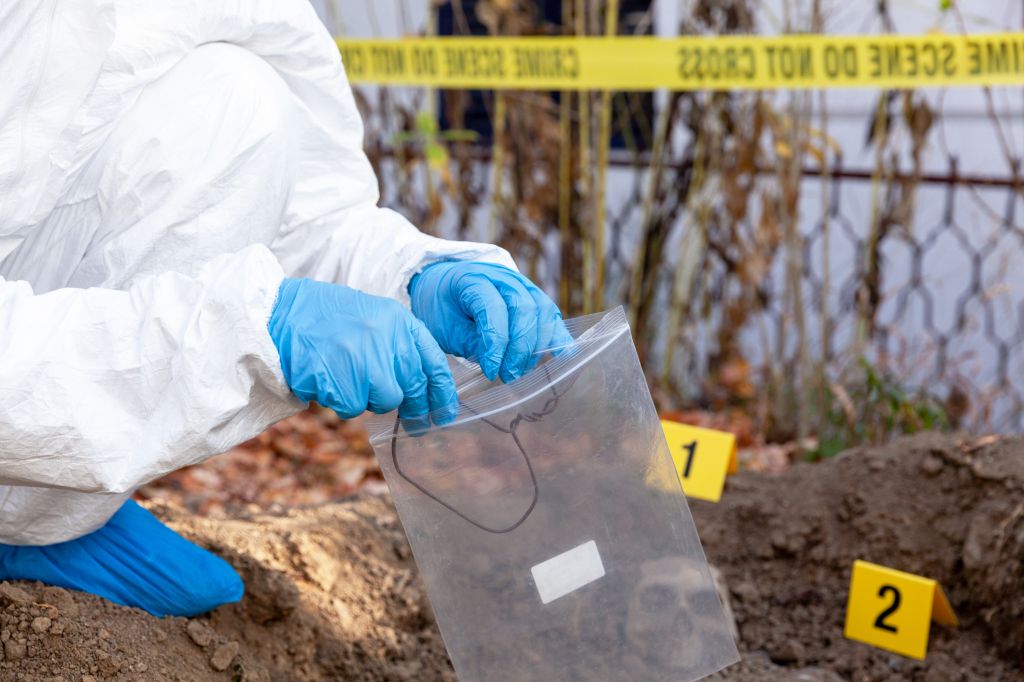
A difficult upbringing doesn’t make someone more at risk of being a killer
Often documentaries, and much psychological focus generally, tend to go back to childhood to find the root cause within a person’s mental unwellness. While developmentally there are again, commonalities among killers, such as “disrupted attachments, neglect, abuse, exposure to violence, social isolation, and generally dysfunctional relationships.”
As Dr King says, many people experience these without becoming serial offenders, much like people with mental health issues or even psychopathic traits have perfectly healthy and functional lives. Similarly, plenty of people who experience traumatic life events don’t always become violent. It’s important to remember that these are rare instances.
Childhood behaviour doesn’t guarantee becoming a serial killer either
“I would also challenge the idea that we can look backwards at childhood and find an obvious checklist,” says Dr King, citing that the “Macdonald Triad is not as predictive as it is presented”, for instance.
The Macdonald Triad is a set of behaviours that have previously been considered as tell-tale signs that a young person might have murderous tendencies. These are: cruelty to animals, as shown through hurting or torturing animals. An obsession with starting fires or committing minor arson, along with persistent bedwetting. These behaviours can exist whether there is trauma in their lives or not. This was proposed in 1963 and later became a hallmark of television shows, presumably due to it being strange behaviour that we find morbidly thrilling – but has largely been considered outdated in psychological and criminological circles.
Fantasy can be an element
In some offenders, however, it is agreed that fantasy can be an important process. Often, these crimes start out as an idea. People continue to fantasise about doing something horrible until it is no longer enough to satisfy them, prompting them to actually act the fantasy out in real life. “Once someone crosses certain behavioural boundaries of harm to another, the offending is shaped by reinforcement, especially if they evade detection and feel more confident and powerful,” explains Dr King.