
The chilling true story behind Netflix’s ‘Death of the Pastor’s Wife’
Behind the polished façade of a South Carolina megachurch was a toxic marriage, abuse, stalking, and a tragic death that sparked a nationwide obsession. Here is the full story of Mica Miller.
By 
Pics: Getty and Netflix
When Pastor John-Paul “JP” Miller took the stage at Solid Rock Church on April 28, 2024, the Myrtle Beach congregation expected a standard Sunday sermon. Instead, he dropped a devastating bombshell: His 30-year-old wife, Mica—a beloved worship leader and the church’s creative director—was dead by suicide.
Mica Miller’s body had been found at a North Carolina state park the day before, on April 27, 2024.
From the outside, the couple led a picture-perfect life dedicated to faith. But within hours of the announcement, rumors began to swirl. Behind closed doors, the Millers’ marriage had been collapsing under the weight of alleged abuse, police reports, and terrifying warnings.
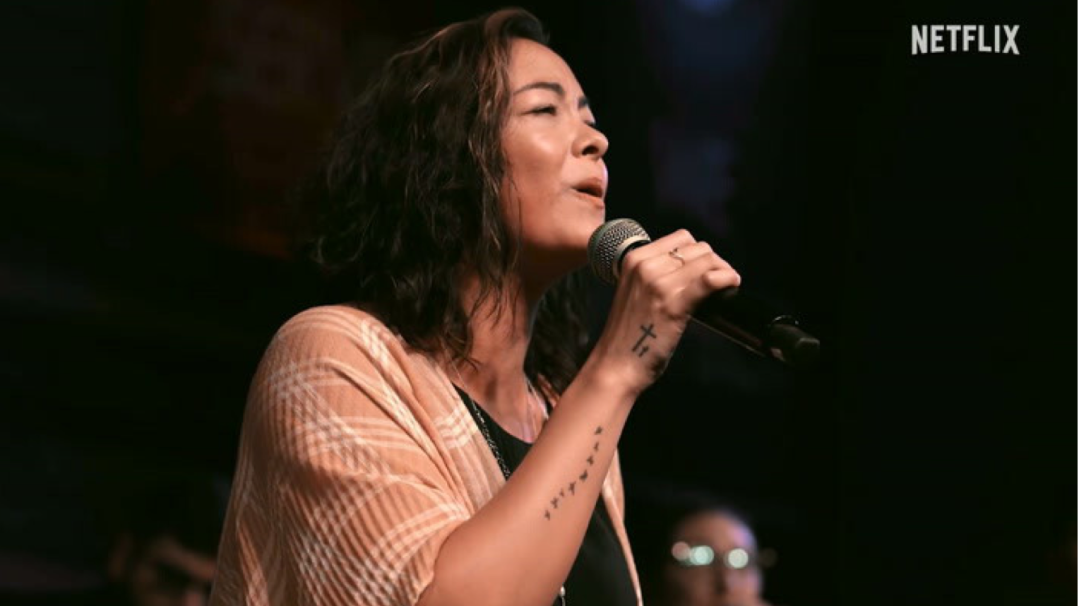
Now, Netflix’s three-part docuseries, Death of the Pastor’s Wife, directed by Julia Willoughby Nason and showrunner Mike Gasparro, pulls back the curtain on the tragic case. Featuring never-before-seen footage and exclusive interviews with Mica’s family, the series explores how a young woman trying to rebuild her life reached such a harrowing end.
A faith-based romance born under a power imbalance
Mica Francis was just a teenager when her family joined Solid Rock Church. At the time, JP Miller was a married father of five and a prominent authority figure in her life. Mica even briefly worked as a nanny for his children.
John-Paul was first married to Alison Williams, with whom he welcomed four children, according to court documents. John-Paul also welcomed an older son in a previous relationship.
Mica married her first husband, Jeremy, when she was 18 years old. However, by 2015, an affair blossomed between the 20-year-old Mica and the 35-year-old pastor. After divorcing their respective spouses, the two married in 2017.
To those around them, the 15-year age gap and the history of their relationship raised immediate red flags.
“He held a position of tremendous power in her life long before they became romantically involved,” co-director Nason noted, pointing out how deeply that dynamic skewed their relationship.
Mica’s family was openly against the marriage, with her sister later alleging that JP had groomed Mica from a young age. JP, however, always maintained that he and Mica shared a “great marriage.”
Escalating fear and a volatile dynamic
Mica tattooed JP’s signature onto her body—an act her sister later called “possessive”—and signed a strict postnuptial agreement that barred her from speaking negatively about the church or claiming marital property.
By early 2024, the tension spilled over into criminal territory
In March 2024, Mica called Horry County Police to report that someone had slashed her car tires with a razor blade—the second time in a week. She told officers she was being followed by unknown individuals and admitted she was “afraid for her life.”
The warnings grew even darker. In a sworn affidavit, Mica’s sister revealed a chilling message Mica had shared before her death: “If I end up with a bullet in my head, it was not by me, it was JP.”
Mica Miller’s final days
On April 15, 2024, Mica took a decisive step toward independence by filing for legal separation, moving into her own apartment, and seeking a restraining order. JP was formally served with the court papers on April 25.
Just two days later, on April 27, Mica’s final hours were captured in a tragic timeline:
- 11:38 AM: Security cameras show Mica leaving her apartment.
- 12:12 PM: She purchases a handgun and ammunition from a local pawn shop.
- 2:54 PM: Mica calls 911 from a North Carolina state park, telling dispatchers she plans to take her own life and asking them to trace her phone so her family can find her body.
Shortly after, a kayaker discovered her body in a river. Investigators confirmed she died from a self-inflicted gunshot wound to the head.
#JusticeForMica and the viral backlash
In the days following her death, public outrage exploded. Her case drew national attention after evidence surfaced that Mica had claimed to be the victim in a stalking plot — and her telling police officers she was “afraid for her life” a month before her death.
JP’s decision to deliver a church sermon the very next day also struck many as bizarrely detached.
Mica’s family took to social media to expose what they alleged was a history of severe domestic abuse. The story quickly took over TikTok under the hashtag #JusticeForMica, triggering wild theories that JP had orchestrated her murder.
Authorities eventually ruled out JP as a physical suspect after confirming a solid alibi: He was hours away at a children’s soccer tournament in Charleston at the time of her death. Still, public pressure and relentless protests outside Solid Rock Church forced the parish to permanently close its doors in November 2024.
A complex search for answers
While law enforcement officially ruled Mica’s death a suicide, the story did not end there. Federal investigators later charged JP Miller with cyberstalking and making false statements—allegations stemming from his actions leading up to Mica’s death.
John-Paul has since sold the church — however, he continues to preach.
For the filmmakers behind Death of the Pastor’s Wife, the docuseries isn’t just a true-crime whodunit; it’s an investigation into coercive control and systemic emotional distress.
“What stayed with us about Mica’s story was how hard she seemed to be fighting to be heard,” directors Julia Willoughby Nason and Michael Gasparro (Murdaugh Murders: A Southern Scandal, American Murder: Gabby Petito) say. “We felt it was important to look closely at what she was experiencing and give the people who loved her the space to tell the story of the woman they knew. We made this series to ask difficult questions, listen closely to Mica’s own voice, and make sure that what she was trying to say is not forgotten.”
“Although we never met Mica, the time we spent with her family and friends allowed us to feel her warmth and heart as a human who endured unspeakable pain,” executive producer Alana Goldstein says. “Our goal at Crazy Legs is to tell a deeply personal portrait of Mica — honoring her voice, uncovering the realities of emotional abuse and coercive control, and remembering her for the light she shared with the world through her faith.”
“Our focus shifted from questioning the official ruling to examining the much more complicated question of why,” showrunner Mike Gasparro explained. “How a 30-year-old woman who was actively trying to reclaim control of her life reached a point where she felt she could no longer go on.”