Lindsay Clancy trial collapses: holdout juror ‘admitted reasonable doubt’ but refused to acquit, foreperson reveals
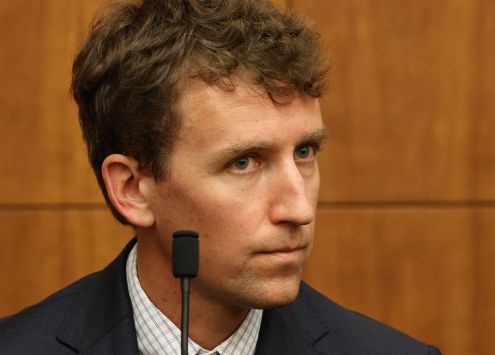
A lone holdout juror prevented the acquittal of Lindsay Clancy—admitting during deliberations that he had reasonable doubt, yet stubbornly refusing to clear the mother of murder by reason of insanity, according to the jury foreperson.
By 
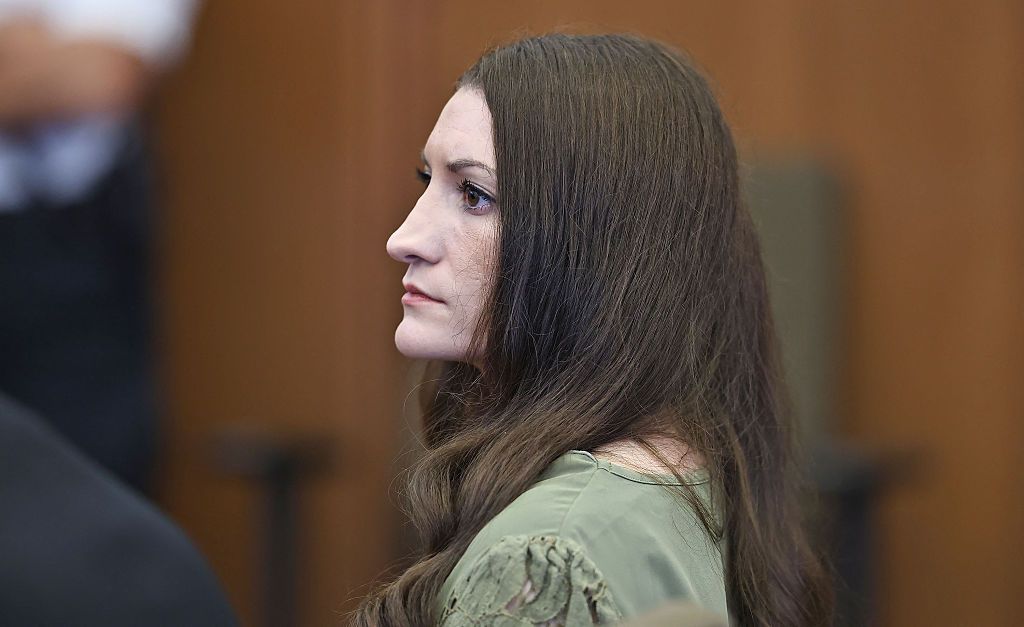
A lone holdout juror prevented the acquittal of Lindsay Clancy—admitting during deliberations that he had reasonable doubt, yet stubbornly refusing to clear the mother of murder by reason of insanity, according to the jury foreperson.
Pics: Getty Images
A Room Divided 11–1
The high-profile triple-murder trial of Lindsay Clancy ended in a dramatic mistrial after more than 38 hours of agonizing deliberations.
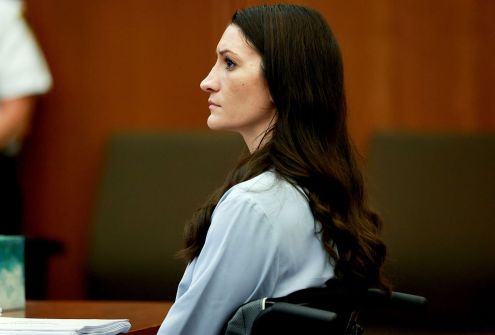
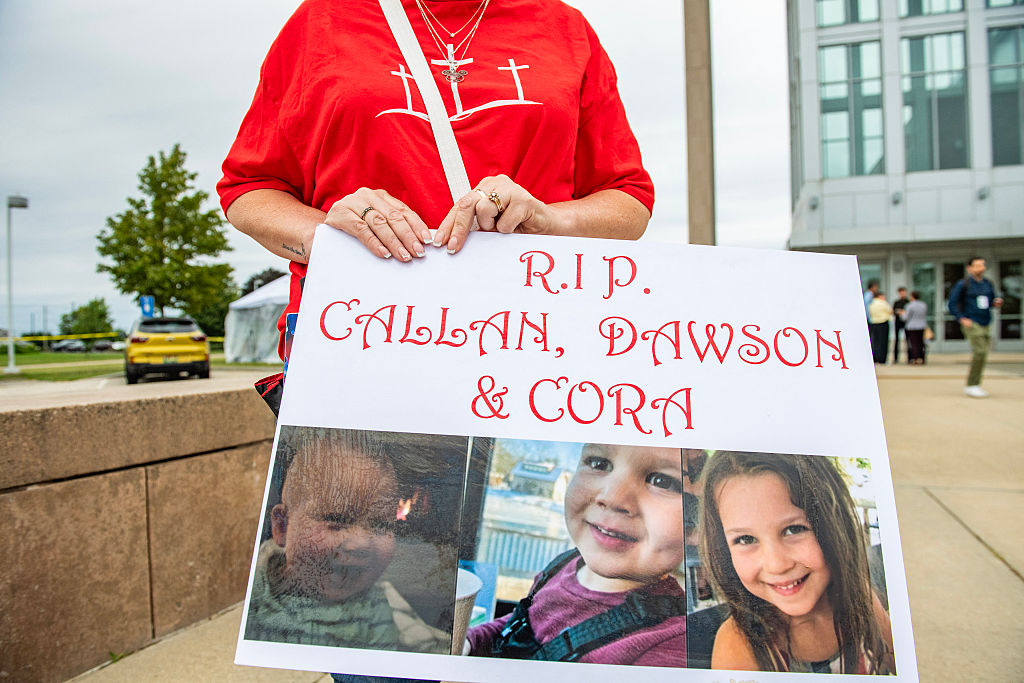
The 36-year-old former labor and delivery nurse never denied strangling her three young children—Cora, 5, Dawson, 3, and Callan, 8 months—in the basement of their Duxbury, Massachusetts home in January 2023, before jumping from a top-floor window in a suicide attempt. Instead, the central question for the panel of nine women and three men was whether severe postpartum psychosis rendered her criminally non-responsible.
Now, dramatic revelations from fellow jurors reveal the panel was split 11–1 in favor of a not guilty by reason of insanity verdict—blocked only by a single male holdout.
‘I Started Filling Out the Forms’
Speaking in a post-trial interview, jury foreperson Ronni Carlson described the exact moment she thought the group had finally reached a unanimous consensus to acquit Clancy on mental health grounds.
“He admitted he had reasonable doubt. I started filling out the forms, I was so excited,” Carlson said. “There were three forms I had to fill out, and I started filling them out. I wrote my signature on each one. And then he said, ‘But I’m still not going to say that she’s not guilty by reason of insanity.'”
According to Carlson, the holdout juror’s sudden pivot left the rest of the room stunned and frustrated, effectively locking the court in a stalemate.
Tensions Inside Deliberation
Other members of the panel painted a picture of an increasingly hostile deliberation room, where the sole holdout allegedly refused to weigh key medical evidence or follow the judge’s legal directives regarding reasonable doubt.
Juror Paula Devlin called the man “arrogant,” noting that he brushed aside observations from fellow jurors—including nurses on the panel who analyzed Clancy’s toxicology reports.
“He had the hardest time getting off the fact that Lindsay viciously killed her children,” juror Kellie Farina added, describing how panel members paced the floor in sheer frustration as they repeatedly pointed him back to the judge’s explicit instructions.
During deliberations, the panel sent multiple notes to Judge William Sullivan stating they were hopelessly deadlocked. One note explicitly complained that a single juror was ignoring legal definitions of reasonable doubt.
The Emotional Toll
Throughout the 21 days of harrowing testimony, jurors heard heart-wrenching evidence detailing Clancy’s rapid psychiatric breakdown following the birth of her youngest child.
Jurors recounted the immense emotional strain inside the courtroom, particularly when reviewing audio from the 911 call placed by Clancy’s husband, Patrick, upon discovering the tragedy.
“It was the most horrific thing,” Farina recalled. “When we heard it again in the jury room, we were crying again. We were just like, ‘My God, the desperation, the despair in his voice.’ Some jurors had to put headphones in so they wouldn’t have to listen to it again.”
Ultimately, the majority felt the evidence proved Clancy deeply loved her children and suffered a severe mental break, meaning she could not distinguish right from wrong at the time of the killings.
What Happens Next?
Because the judge declared a mistrial, the prosecution must now decide whether to retry Clancy or seek an alternative legal resolution.
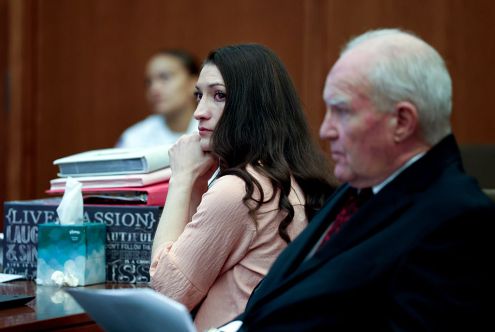
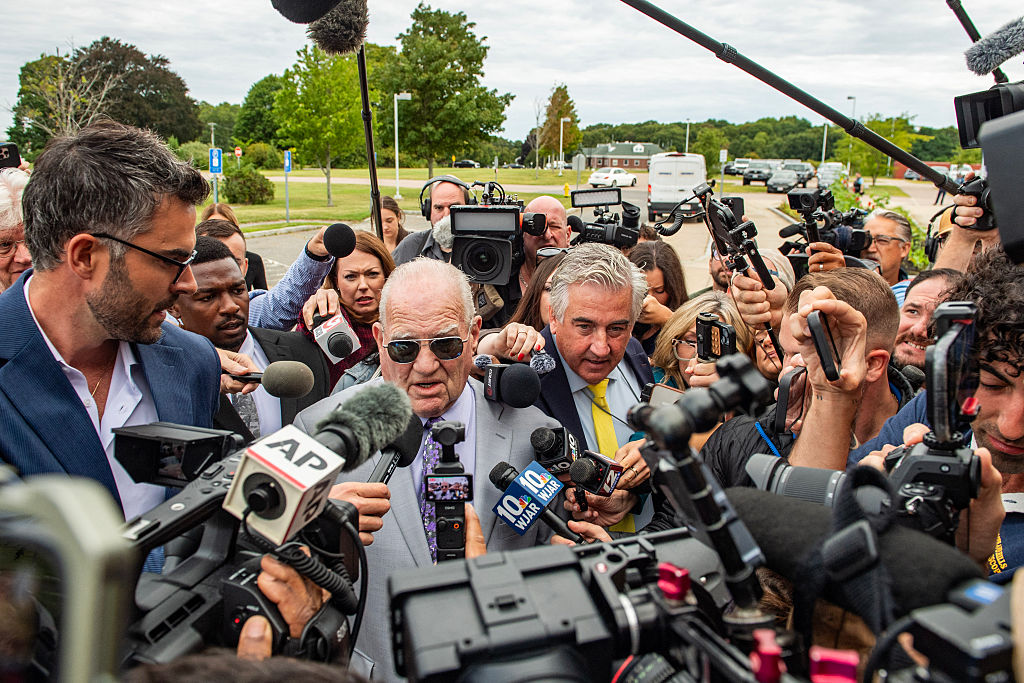
Clancy’s defense attorney, Kevin Reddington, expressed outrage over the holdout’s stance, arguing that his client was “robbed” of a rightful acquittal by a single individual with his own agenda. Reddington has indicated he plans to explore legal motions regarding jury misconduct.
Had Clancy been found not guilty by reason of insanity, she would not have simply walked free; she would have been committed to a state mental facility until medical professionals deemed her no longer a danger to society. For now, her legal fate remains entirely in limbo.