Is there such a thing as Summer SAD? Why sunshine makes some people feel worse, not better
 Sally Saunders
Summer is ‘supposed’ to make us feel happier. But for some of us, longer days, heatwaves, social pressure and disrupted sleep can trigger anxiety, irritability and low mood. Experts say summer-pattern Seasonal Affective Disorder is more common than many realise — and often misunderstood.
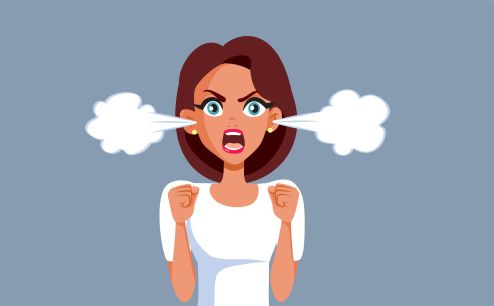
While Seasonal Affective Disorder (SAD) is most often associated with winter, some people experience symptoms during late spring and summer instead. Rather than feeling sluggish or withdrawn, they may become anxious, restless, emotionally overwhelmed or unable to properly switch off.
According to Siobhán Carroll, naturopath and herbalist at A.Vogel, “summer-pattern SAD is less common than winter depression, but it is still very real.”
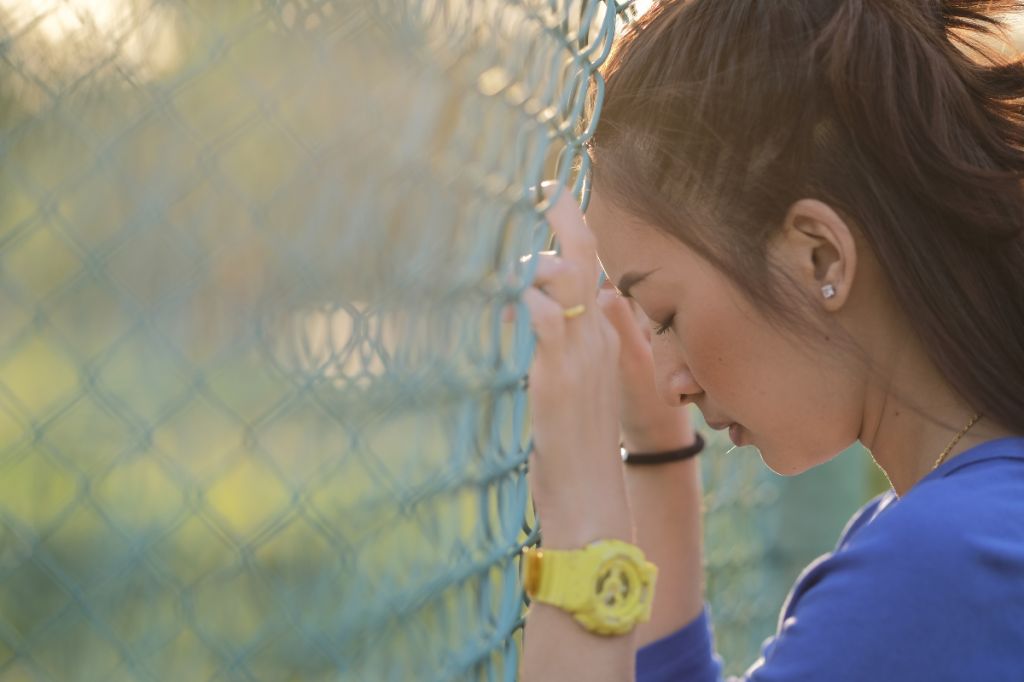
“Research suggests that seasonal changes in mood exist on a spectrum,” she says. “A large proportion of people notice some seasonal shift, and a smaller percentage experience symptoms severe enough to impact daily life.”
Research into summer SAD is still limited compared with winter depression, but experts believe there are several contributing factors, including heat, disrupted sleep, allergies and the pressure to be constantly social.
Why summer can feel exhausting
One of the hardest things about summer SAD is the expectation that sunshine should automatically make us feel better.
“Summer carries a strong expectation that we should feel good, be social and make the most of the longer days,” Carroll says. “For someone who is already struggling, that expectation can feel quite heavy.”
She says many people feel guilty for not enjoying summer in the way they think they should.
“That disconnect between internal experience and external pressure can lead to feelings of frustration, guilt or even isolation,” she explains.
Longer daylight hours can also affect sleep. When it stays light late into the evening, people often stay active for longer and struggle to wind down properly.
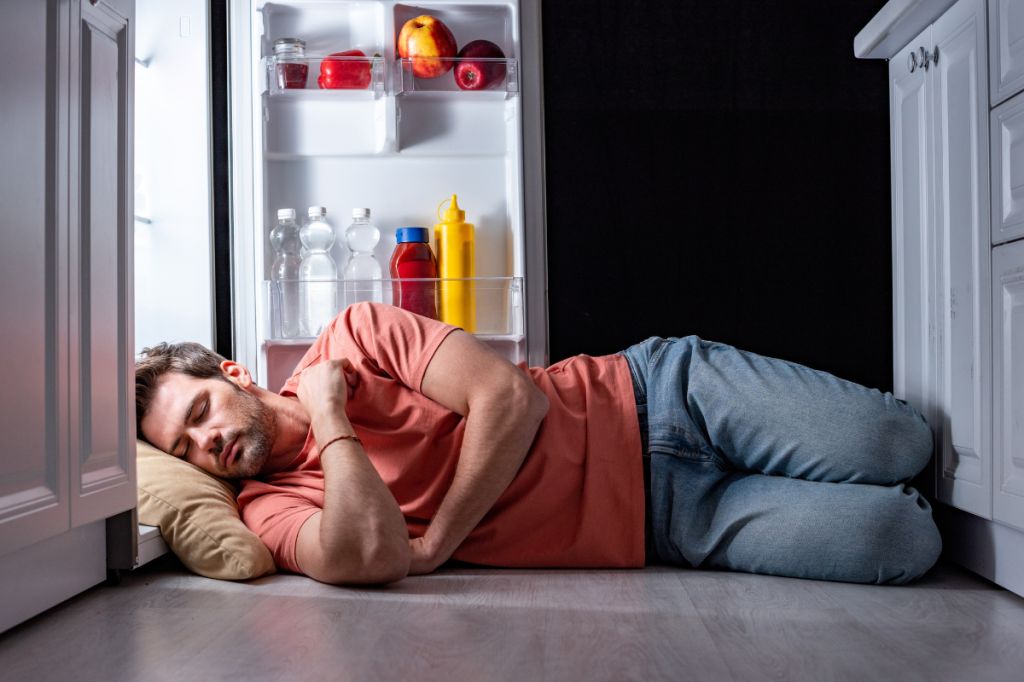
“Once sleep is impacted, mood and resilience tend to follow,” Carroll says.
Heat and humidity can make things worse. The body has to work harder to regulate temperature during hot weather, which can leave people feeling physically drained and emotionally short-tempered.
“We might manage it for a week on a sun holiday when we are relaxing by the pool,” Carroll says, “but having to carry out our normal daily tasks in heat we aren’t used to can come at a cost.”
Social pressure can add another layer. Summer tends to bring more events, holidays, social media posts and fear of missing out.
“For extroverts, this can initially feel fun and you may want to burn the candle at both ends, leading to burnout,” Carroll says. “For introverts who prefer the slower pace of cosy autumns and winters, the bustle of summer can just be too much.”
The link between hay fever and low mood
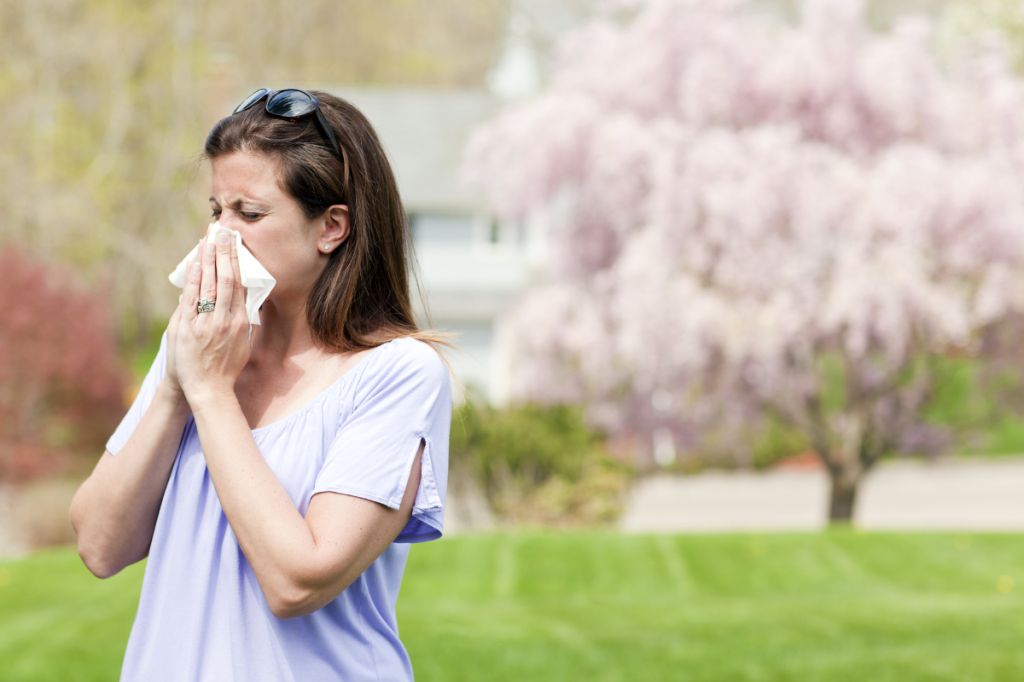
For some people, seasonal allergies may also play a role in summer SAD.
“There is emerging research showing that people with a summer pattern of SAD can experience worsening mood on days with high pollen counts,” Carroll says.
The theory is that allergic reactions trigger inflammation in the body, which can then affect sleep, emotional regulation and brain chemistry.
“Many people with hay fever report feeling more fatigued, foggy or irritable during peak pollen periods,” she says.
That extra strain on the body can be enough to worsen symptoms for someone already struggling during the summer months.
What summer SAD actually looks like
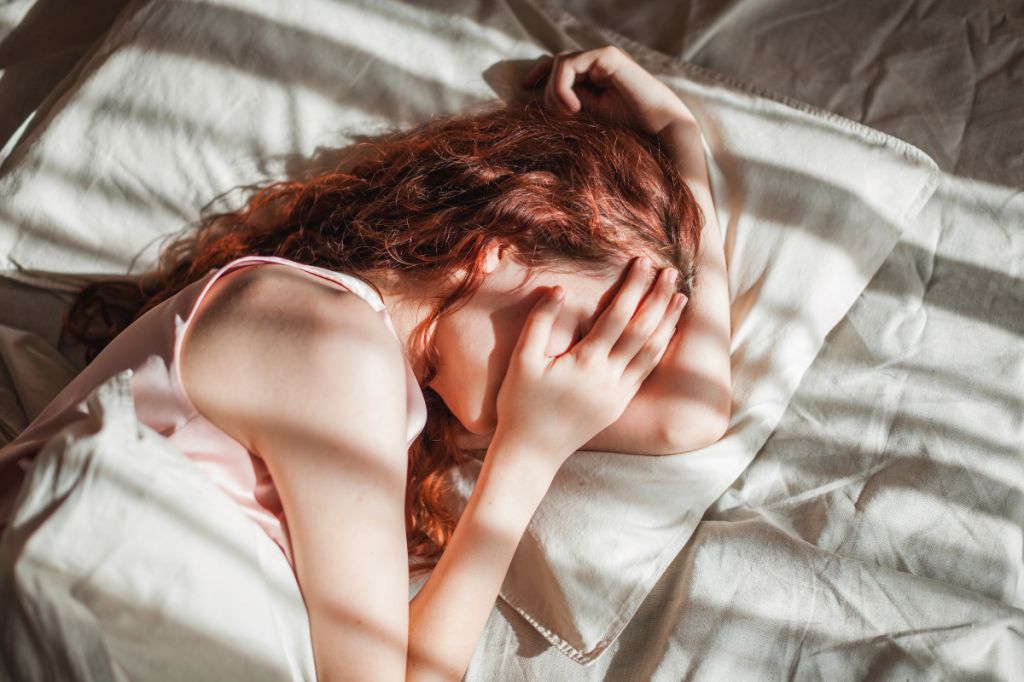
Summer SAD can be difficult to spot because it often looks very different from winter depression.
“Instead of feeling low, heavy and withdrawn, people often feel more wired than tired,” Carroll explains. “There can be a sense of inner restlessness, irritability or anxiety that is difficult to switch off.”
Common symptoms include:
- Trouble sleeping
- Anxiety or agitation
- Reduced appetite
- Fatigue and low motivation
- Headaches or migraines
- Feeling emotionally unsettled
- Irritability
- Wanting to withdraw socially
Some people may also experience low mood and depression during summer, rather than restlessness.
“The key is in the name — is it seasonal?” Carroll says. “If these shifts in moods only happen in the summer months and once cooler autumn arrives then it could be seasonal affective disorder of the summer variety.”
Why women may be more affected
Carroll says women appear to be more affected by SAD overall, including summer-pattern SAD.
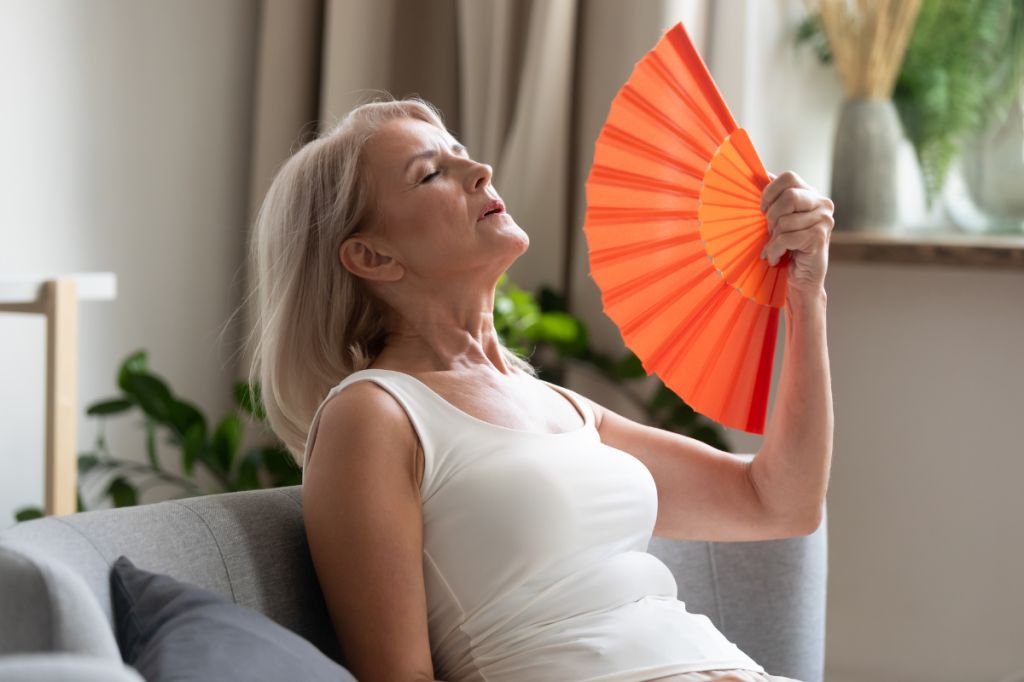
Hormonal changes may be one reason. During perimenopause, heat can worsen hot flushes and night sweats, affecting both sleep and mood.
“Many women who used to love summer feel ‘not themselves’ if they are experiencing these summer SAD feelings for the first time,” Carroll says.
She also sees worsening PMS symptoms during hot weather, particularly anger, irritability and emotional sensitivity.
On top of that, summer can bring added pressures around childcare, body image and socialising.
“Of course we love our kids,” Carroll says, “but having to continue working while they are off and in need of attention or expensive summer camps can all add to the stress of summer.”

How to cope with summer SAD
Carroll says one of the most important things is recognising that your energy levels and emotional capacity do not suddenly change because the season has.
“Trying to match the external pace of summer can sometimes come at the expense of your mental wellbeing,” she says.
Keeping a regular routine can help, particularly around sleep. Carroll recommends waking up at a similar time each day and creating a proper wind-down routine in the evenings.
Blackout blinds, cooler bedrooms and reducing light exposure later at night can also improve sleep quality during the summer months.
Hydration matters too. “Even mild dehydration can affect energy, concentration and mood,” Carroll says.
She also encourages people to pay attention to patterns in their mood and energy levels instead of dismissing how they feel because “the sun’s out and the days are longer”.

Most importantly, she says people should not feel pressured to say yes to every plan or social event.
“I sometimes write a little prescription for my clients that says ‘remember it is ok to say no!’” Carroll says.
And while summer SAD may still be less talked about than winter depression, she says it should still be taken seriously.
“Summer depression is still depression,” Carroll says. “If it is impacting your day-to-day life, seeking support is worthwhile. It is absolutely possible to feel more balanced and like yourself again, regardless of the season.”
Words: Sally Saunders, Images: Shutterstock