Foot on the pedal, or putting your feet up? The bank-holiday dilemma, hustle culture, and why so many of us struggle to relax
 Sally Saunders
Long weekends were supposed to be for rest — so why do so many people now feel forced to use them as a chance to ‘get ahead’? Why hustle culture, social media and modern work pressures are making it harder than ever to take a break
As another bank-holiday weekend arrives, many people aren’t planning to rest — they’re planning to catch up. For a long time, bank holidays were associated with very little ambition. They were for lie-ins and long lunches, pub gardens and garden centres, half-finished DIY projects, The Sound of Music on telly, and the comforting feeling that normal life had briefly loosened its grip.
But ahead of this bank holiday weekend, a colleague said something that stopped me in my tracks: “I love bank holiday weekends, they gives me a chance to get ahead with work and start the week in a much better place.”
And honestly? I understood exactly what she meant.
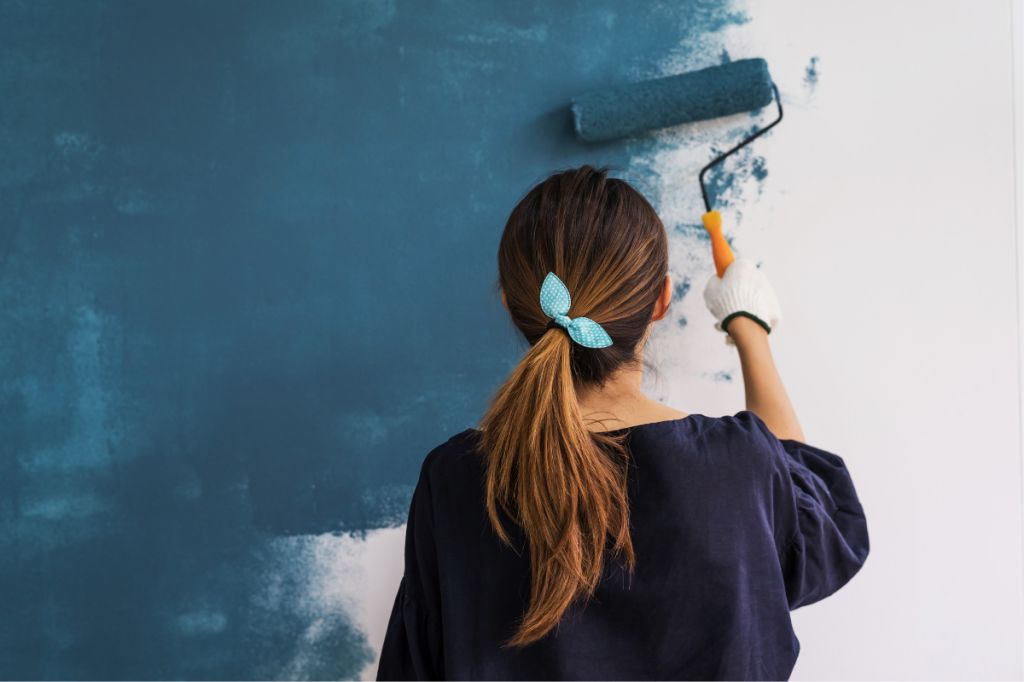
Often, an extra day off no longer feels like a chance to switch off. Instead, it becomes an opportunity to respond to emails that had been missed, do some life admin, meal prep, declutter the house, start a side hustle. The decision to actually rest, now, starts to seem rather frivolous, just another thing to feel guilty about.
So when did our days off start feeling like extra workdays?

Why hustle culture makes it hard to relax
“There’s always something to be done,” says health psychologist Dr Ravi Gill. “Everything’s got to be an achievement.”
That feeling — that we should always be progressing — has quietly become one of the defining emotional experiences of modern adulthood. We are constantly nudged towards self-improvement: better careers, better habits, better bodies, better routines.
And increasingly, our downtime has become wrapped up in that same mindset.
“We can no longer just be happy with where we’re at,” Gill explains. “We’re always in the hustle culture of, ‘right, what’s the next level?’ Or ‘Yes, you’ve done this, okay, but then what’s next?’”
Of course, there’s nothing inherently wrong with ambition. Many people genuinely enjoy working hard, building careers or feeling organised before a busy week begins. And with rising living costs, job insecurity and blurred boundaries between home and work, the pressure to stay productive can feel very real.
But there’s a difference between wanting to work and feeling emotionally unable to stop.
How social media fuels productivity anxiety
Social media has intensified this pressure in powerful ways. Scroll through Instagram, TikTok or LinkedIn over a bank holiday weekend and you’ll likely encounter endless reminders that successful people are always doing more. There are “Sunday reset” routines, side hustles, productivity hacks, 5am morning schedules and perfectly-curated wellness routines. Even rest has become performative.
“That can contribute to the anxiety feeling of, ‘Gosh, I’m just not doing enough,’” says Gill “Then if you go on social media and you scroll on someone’s post… you’re like, ‘How did they do that? I’m nowhere near that.’ And that comparison culture then starts to come in.”
The result is that many of us struggle to experience genuine downtime without guilt. A free afternoon can start to feel like wasted potential. An unproductive day can feel vaguely irresponsible.

Why many adults no longer know how to switch off
You can see this shift in the way we now talk about time off. We “make the most” of weekends. We “use” annual leave “productively”. We come back from holidays proudly listing everything we achieved while away: the house renovations, the fitness goals, the side projects, the life admin finally completed.
Rarely do we simply say: I rested. And perhaps part of the reason is that rest itself has become uncomfortable. When life moves at a relentless pace, slowing down can leave us alone with anxieties we normally outrun through busyness.
Gill has noticed this in her own life. “I found myself at the end of an evening scrolling on my phone, but meaninglessly,” she says. “There was no actual real purpose or intent.”
Her solution was surprisingly simple: physically leaving her phone upstairs in the evenings. “I pretty soon found out I don’t actually need it,” she explains. “I then allowed myself to just be present in a more meaningful way.”

Are we forgetting how to have fun?
That phrase — “present in a more meaningful way” — feels important. Perhaps what many of us are actually craving isn’t more productivity, but more presence. Not constant optimisation, but permission to exist without always improving ourselves.
That doesn’t mean abandoning ambition or pretending work doesn’t matter. It simply means questioning why so many of us feel guilty when we aren’t visibly achieving something all the time.
Somewhere along the way, many adults seem to have internalised the idea that every spare moment should be useful. That slowing down is laziness. That rest must justify itself.
But bank holidays were never designed to turn our homes into quieter offices.
Sometimes, a day off can simply be a day off. “`it’s enough to go for a walk, sit in the garden, watch terrible television or spend time with people you love. “I think as adults, we’re really bad at having fun,” says Gill. “We need to find the fun again.”
And maybe that’s the real challenge this bank holiday weekend: not how much we can get done before Tuesday morning — but whether we still remember how to have some fun!
Words: Sally Saunders, Images: Shutterstock