My daughter, 16, was bullied to death by trolls on Tattle Life ‘A piece of my heart died that day – I’ll never be the same again’
When Sophie-May Dickson set up an Instagram account to post about her two daughters, she could never have imagined it would end in tragedy
By 
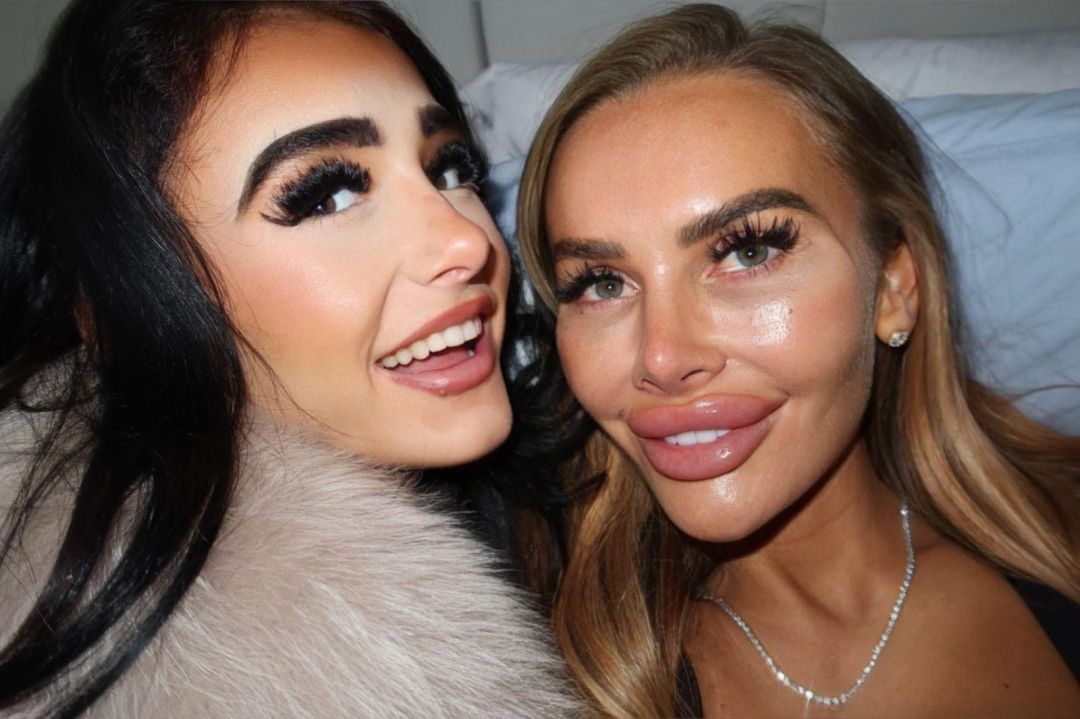
When Sophie-May Dickson set up an Instagram account to post about her two daughters, she could never have imagined it would end in tragedy
Pics: Sophie May-Dickson
For years, Sophie-May Dickson lived with a terrifying fear that the relentless online abuse directed at her teenage daughter Princess-Bliss would one day have devastating consequences.
Then, on February 7, 2026, the news she had dreaded came when Sophie received a devastating phone call informing her that her teenage daughter Princess had been found dead in bed at the supported accommodation where she was living. She was just 16.
“For so long, I’d been gripped with fear that Princess would be driven to her death by online abuse. But when I received that call in February, I still couldn’t believe it. A piece of my heart died that day. I’ll never be the same again,” says Sophie, 33, from Essex, who is also mum to Precious, 14.
Princess’ death at 16 made the headlines earlier this year due to the disturbing lead up in which she was hounded by trolls, including on the infamous gossip site Tattle Life, and – according to her mother – also groomed by a stranger online. An inquest was opened in May, but immediately suspended due to an ongoing police investigation.
Meanwhile, her family remains heartbroken that the teen, who loved beauty and dancing and had 200k TikTok followers, is gone.
From reality TV to life as an influencer
It was Sophie who first put her daughter in the public eye, aged four.
“I became pregnant with Princess when I was 16, and although I was young, I was so happy,” she says. “Two years later, in 2012, I had Precious. The girls’ dad and I broke up shortly afterwards, but I thrived as a single mum.”
In 2014, while on holiday with friends in Ibiza, Sophie was approached by TV producers and went on to feature in the controversial Channel 5 reality show Blinging Up Baby, featuring parents who spent large sums on luxury experiences and beauty treatments for their kids.
“At first, I was unsure, but I was open-minded and it sounded exciting,” says Sophie.
It turned out to be her first experience of online judgement, though far from the last.
“I was told I was a terrible mother for letting the girls have spray tans and pedicures, but I didn’t care what other people thought,” says Sophie. “The show led to a lot of opportunities that allowed me to provide a lovely life for my girls and a network of like-minded mums who are still friends to this day. .”
‘At first, I liked posting on social media – it allowed me and the girls to live a great life’
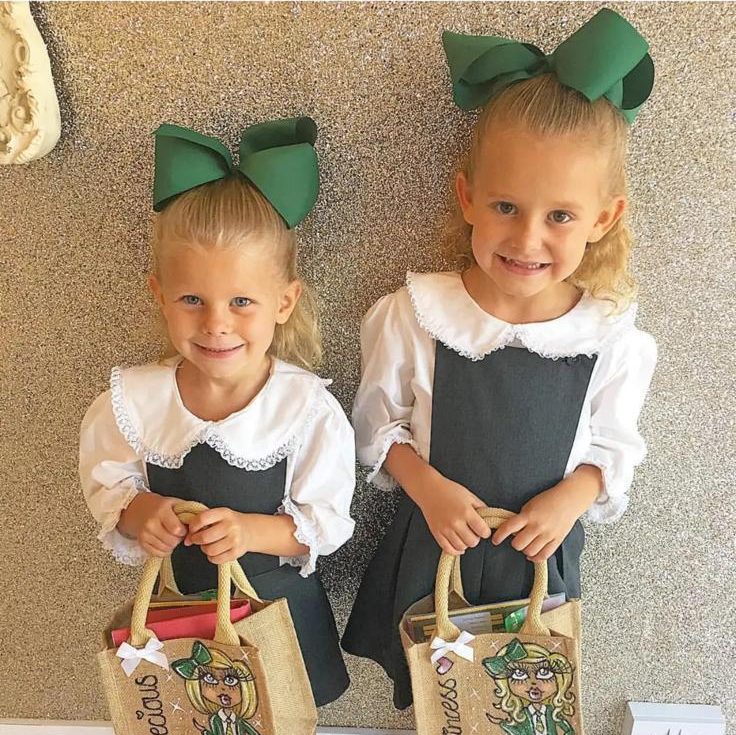
Those lucrative opportunities included launching Sophie as an influencer on Instagram, where she began building a large following, sharing photos of Princess and Precious in matching designer outfits, enjoying exotic holidays and having beauty treatments. One post in 2015 showed Princess’ £2,500 fifth birthday celebration, complete with ponies, a red carpet and a three-tiered crystal-encrusted cake.
Targeted by trolls
“There was a lot of love from followers, but there were also obsessive types who were fixated on me,” she admits. “There was hate, too. I was relentlessly targeted by trolls, who would falsely comment I was a prostitute and criticise my appearance and parenting.
“I carried on posting because I wasn’t hurting anybody and it was something I liked to do. Plus, it allowed us to live a great life.”
In February 2019, Sophie discovered she was the topic of thousands of comments on the Tattle Life platform, which was sued in 2023 by entrepreneurs Neil and Donna Sands in an action over “hate speech” and ”harassment”. Sophie – who was living in Dubai with her daughters, then nine and seven – had been forwarded a link to the comments by a friend.
“It was horrendous. Anonymous trolls falsely saying I was a sex worker, that I got deported from Dubai and was prostituting my children,” she says. “I was horrified.
“The girls stumbled across the posts one day when Googling our names to find pictures of us to a make card for me to make pictures for a card. They were so confused and upset,” recalls Sophie.

Princess began struggling
When she was 12 Princess’ mental health problems began. Sophie says: “She’d experienced trauma in her childhood, and was vulnerable as a result. She wasn’t diagnosed at that time with a specific condition, but I could see her beginning to struggle.”
Given her daughter’s fragility, Sophie was concerned when she discovered two years later that Princess had opened a TikTok account where, like countless other teens, she posted dance clips, lip-sync videos, fashion content and updates from her daily life.
“I told her she was too young for social media, but she ignored me,” says Sophie. “It’s very hard to convince teens it’s not a good place for them, as it has just become a part of their lives.”
Sophie dipped in and out of social media over the years, going offline for a digital detox when she needed a break. when the trolling became too bad, and in 2024 closed a number of accounts for good. The trolls then turned their attention to Princess, picking apart her photos and videos.
“Some users went as far as to create fake accounts to monitor Princess’ TikToks and mock her relentlessly. It was unbelievable.”
As her mental health deteriorated, Princess began self-harming.
“I took her phone away to protect her, but unfortunately a family member bought her a new one. Princess was stubborn and refused to listen to my pleas, but I could see the effect the comments were having on her,” says Sophie. “The relentless harassment seriously affected her mental health, causing anxiety, loss of confidence, and difficulty attending school.”
Sophie says she repeatedly contacted Tattle Life to report the abuse and have the content removed, but never received a reply.
Why online abuse can be so damaging
Emma Short, professor of cyberpsychology at London Metropolitan University, says that for young people, the impact of online abuse can be profound.
“People often wonder, why would anyone care what strangers think? But that’s the wrong question. It isn’t that one stranger matters – it’s that hundreds agree. When your brain sees the same criticism repeated over and over, it starts treating it as evidence. You begin to wonder: ‘If this many people think it, maybe it’s true.’
“As human beings, two of our deepest psychological needs are to be liked and to be seen as competent. When a large group appears to attack both of those things simultaneously, self-esteem can be profoundly affected.”
Sophie says that things took a darker turn when Princess began messaging an older girl through online gaming platform Roblox. Princess snuck out to meet the girl and returned with her initial carved into her wrist.
“I read messages on Princess’ phone that revealed this girl was obsessed with self-harm and suicide. I told Princess I was very worried, but she didn’t take me seriously,” she says.
Sophie thought her daughter had turned a corner
In May 2025, I placed Princess was placed in private supported accommodation, where she was monitored 24/7 due to her declining mental health. Sophie began to hope her daughter had turned a corner.
“That September, she met a lovely boyfriend, who had a nice group of friends. He brought a lot of happiness to her life and she began to thrive, making plans for the future and taking driving lessons. She also blocked the girl from Roblox.”
However, the online trolling continued, with users accusing her of having breast implants and commenting on her weight. This kind of abuse can be particularly damaging for teens.
“Comments about appearance, personality, intelligence or parenting are harder to dismiss, because they strike at someone’s core identity,” explains Emma. “For young people especially, whose sense of self is still developing, that kind of public rejection can be incredibly harmful.”
In December, Sophie took Princess to New York for a holiday, never suspecting it would be their last.
“We had the best few days. Princess talked about how 2026 was going to be our year and her plans for the future.”
‘Love you always’
After returning home, Princess stayed in supported accommodation, and on February 5, Sophie met up with her.
“We had some beauty treatments and went for lunch. We had plans for the next day. She seemed OK.”
The following evening, the pair spoke on the phone for several hours.
“The last thing I said to her was: ‘Love you always. I’m so proud of you.”
‘In her goodbye letter she said not to let the trolls see me weak. Even in her final moments, they were on her mind’
At noon the following day, on February 7, 2026, Sophie received the call from the accommodation manager, who said her daughter had been found dead in bed.
“I could barely take in what they were saying. I felt like my heart had been ripped out. Precious came to tell me Princess wasn’t answering her phone, but I was in such shock, I couldn’t find the words to explain. When the police arrived soon after, they told her. We both broke down.”
Sophie admits she was petrified about going to the mortuary to see her daughter’s body, but took some comfort from how peaceful she looked.
“She looked like she was sleeping, and was still so beautiful.”
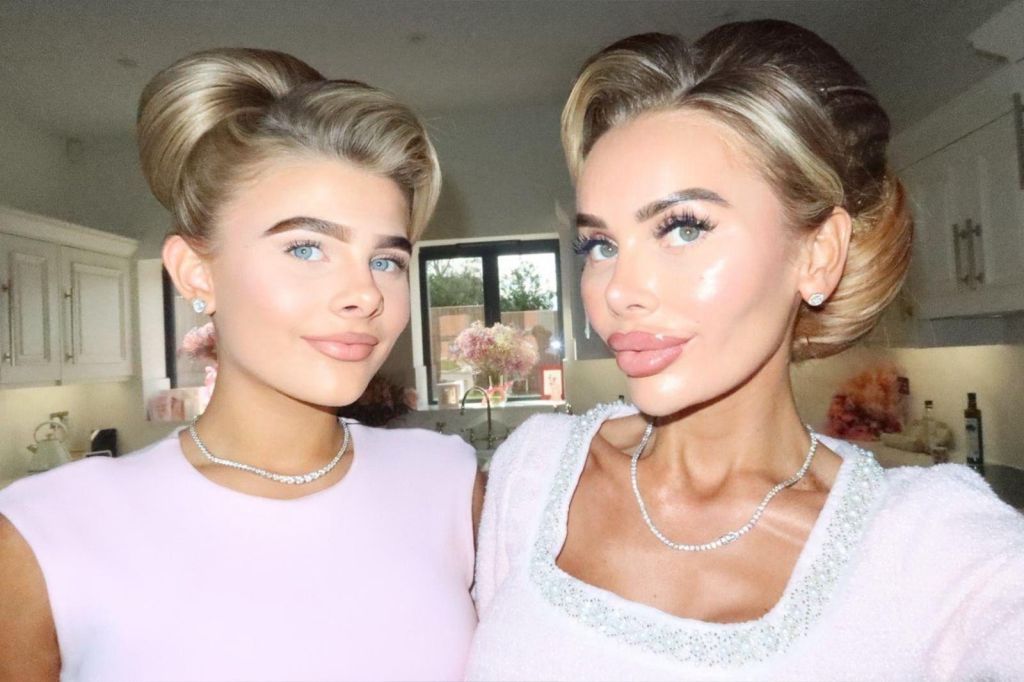
‘Even in her final moments, the trolls were on her mind’
Sophie says she was later told by Princess’ boyfriend that she had received a video call at around 4am on the morning she died, from the girl she’d met online as, unbeknown to her mum, the pair had been back in touch. Just hours later, Princess took an overdose.
“She left a goodbye letter telling me how much she loved me and wanted me to have a good life. She told me not to let the trolls see me weak. Even in her final moments, they were on her mind.
“And she sealed the letter with a red lipstick kiss, which, despite everything, made me smile – my girl was one of a kind.”
Days later, Sophie held a celebration of her daughter’s life, with all of her loved ones who loved her without agenda.
“Princess’ funeral was about honouring her. I hired a photographer to capture her last day and when I saw the beautiful photos I decided to post them. Inevitably, it attracted criticism, with people saying I posted them for attention,” she says. “I was also blamed for her death and told she hated me, but I know I was a good mum and she loved me.”
‘I don’t want this to happen to any other child’
Six months on, Sophie and Precious are still coming to terms with Princess’ death. Despite everything, they remain active online.
“Precious, now 14, has a private Instagram account with friends and family,” Sophie says. “I closely monitor it. She discusses everything with me first, asking if she can read things on the internet and if it’s OK to post things.
“Every day is a mental battle for me, and mixed with my grief is my anger towards the faceless people who dragged Princess to such depths, she couldn’t see a way back. How people can target a vulnerable child blows my mind.”
If she could go back, would Sophie do anything differently?
“I’m a mum who, like millions of others, created an Instagram account and posted proud pictures of her children – there’s nothing wrong with that,” she insists. “Me and my family aren’t the problem. It’s the trolls who continue to abuse me to this day.
“I hope Princess’ story will demonstrate the consequences of online abuse on young people and their families. I don’t want this to happen to any other child.
“But Princess’ last words to me were to carry on, and although life without her in it is so hard, I will continue to do that in her memory.”
For help and support, contact the Samaritans.
A spokesperson for Tattle Life said:
“Tattle Life wishes to express its heartfelt condolences to the family and friends of Princess-Bliss Dickson. Tattle Life has never received an email from Sophie Dickson. We take every report seriously and every page has a link to the reporting procedure.