
Is your phone making you more negative? How screen time can shape your mood
 Sally Saunders
Doomscrolling, social comparison and a constant stream of notifications can subtly influence how we see the world. Experts explain why our digital habits may be affecting our mood, anxiety levels and overall wellbeing more than we realise.
Many people worry that spending too much time on their phones leaves them feeling anxious, overwhelmed or emotionally drained. While smartphones can help us stay informed and connected, psychologists say the content we consume — and the amount of time we spend online — can gradually shape our outlook, self-esteem and mental wellbeing in ways we may barely notice.
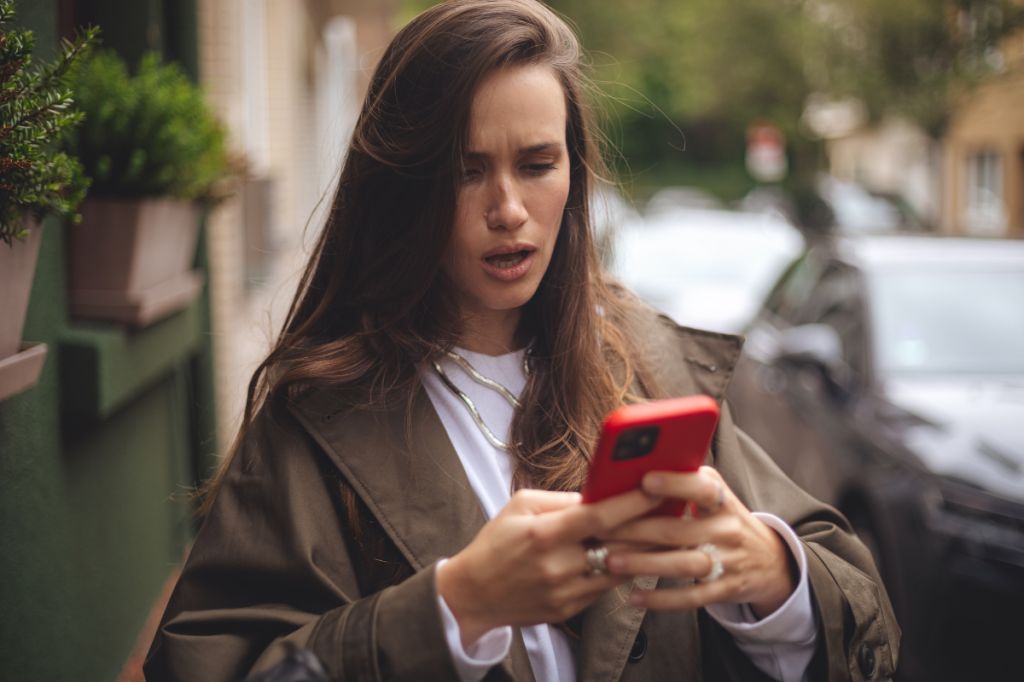
Why our brains are drawn to negative content
The expression “life through a lens” is often used to describe how our experiences, emotions and beliefs shape the way we see the world. But modern life increasingly feels like life through a screen — and it’s worth asking whether that screen is making us more negative.
Few people are strangers to doomscrolling, and the name itself hints at its emotional impact.
It’s not only social media arguments and anonymous comment sections that can leave us feeling unsettled. Even constant access to rolling news can create the impression that the world is perpetually on the brink of crisis.
Perhaps the heightened anxiety many people experience is, at least in part, a response to being permanently connected. And perhaps limiting access to our phones could help restore some perspective.
“Our brains are naturally drawn towards threat, conflict and emotionally charged information,” explains Consultant Counselling Psychologist Dr Ritz Birah. “When our feeds repeatedly show us outrage, frightening news or highly edited versions of other people’s lives, this can gradually shape what the brain expects to find. The world can begin to feel more dangerous, hostile or inadequate than the life we are actually living.”
The distinction is an important one. The physical world immediately around us is often very different from the digital world constantly presented on our screens, yet our brains don’t always separate the two as clearly as we’d like.

The hidden emotional impact of doomscrolling
“What I often notice is that people do not always feel dramatically distressed after scrolling,” says Dr Birah. “They simply feel slightly more irritated, cynical, dissatisfied or on edge. You may start the day feeling relatively fine, then after twenty minutes online find yourself annoyed with strangers, comparing your life or assuming the worst about people. That emotional residue matters because repeated exposure can quietly colour how we interpret the rest of the day.”
Because the effects can be subtle, it can be helpful to pay closer attention to how different types of screen use leave us feeling.
But it’s not only obviously negative content that can have an impact. As psychotherapist and trauma specialist Tina Chummun explains: “Screens become a problem when they start crowding out the things that genuinely regulate us, like sleep, movement, real-world connection, time outdoors and eating properly. When the phone is the first thing you reach for on waking and the last thing you touch at night, and the activities that nourish you are quietly shrinking, the balance has tipped.”
In other words, phones may make us feel worse not only because of what we’re consuming, but because they’re replacing the activities that help us feel better.
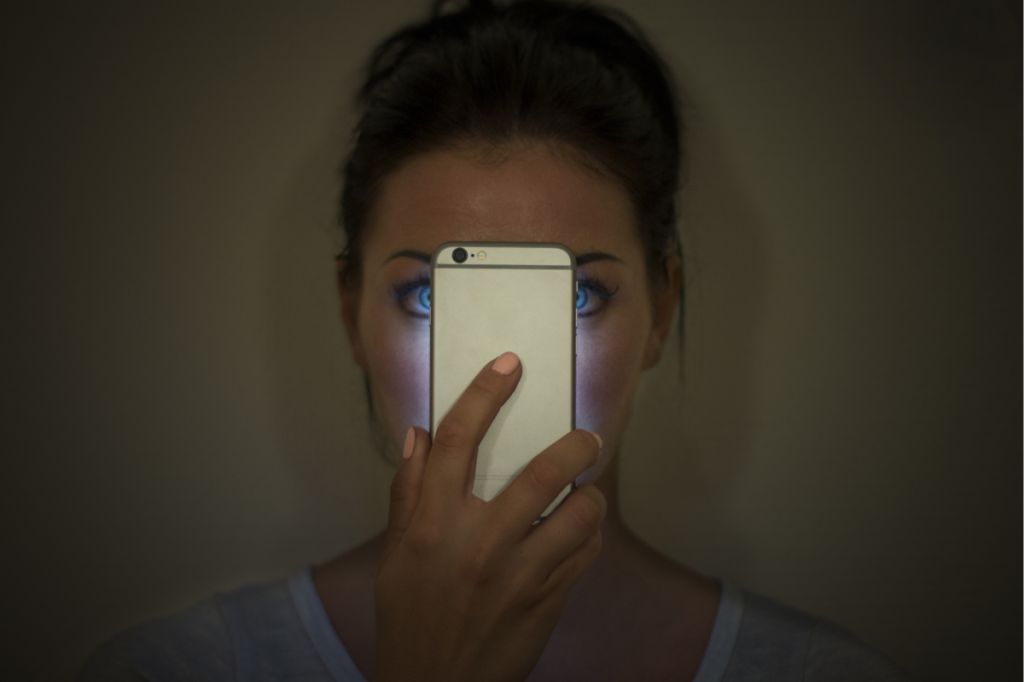
When your phone starts controlling your attention
Simply understanding these issues may not always be enough to counteract them. Another warning sign is losing the sense that we’re choosing when and how to use our phones.
“Loss of intentional control is a clear warning sign,” says Chummun. “[If you’re] reaching for your phone without deciding to or feeling a flicker of anxiety when it’s out of reach or the battery is low. A screen that keeps us in a low-grade state of alertness keeps the body’s stress response gently switched on. Over time that can leave us wired but tired, struggling to settle, sleeping poorly, and more vulnerable to anxiety and low mood.”
Recognising these patterns doesn’t mean smartphones are inherently harmful. But paying attention to how they influence our mood, relationships and daily routines may help us use them more intentionally — and prevent life through a screen from becoming more influential than life itself.
Words: Kate Townshend, Images: Shutterstock