
Not all screen time is created equal: How to tell healthy habits from harmful ones
 Sally Saunders
Not every hour spent in front of a screen has the same impact. Psychotherapist Kamalyn Kaur explains why the quality of our screen time matters far more than the quantity — and how to recognise when technology is enriching our lives rather than draining them.
For years, “screen time” has been treated as something to reduce. But experts say the conversation is more nuanced than simply counting hours. Whether we’re watching television, video calling loved ones, scrolling social media or researching a hobby, the way we use our screens—and how we feel afterwards—may be a far better measure of healthy digital habits than the amount of time we spend online.
Why all screen time isn’t the same
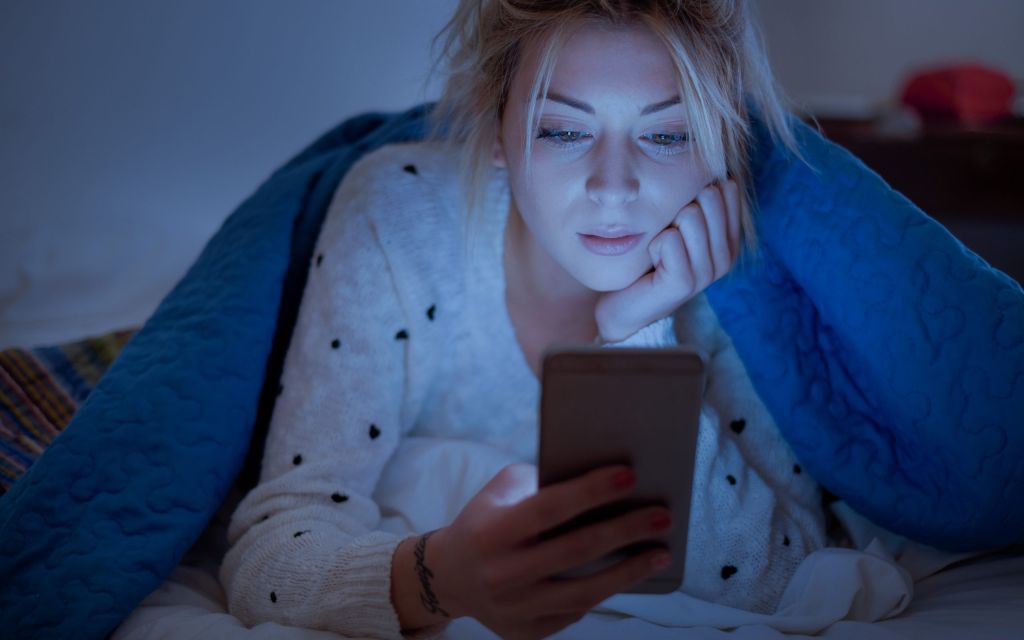
In modern life, “screen time” has become shorthand for a guilty pleasure — something many of us are drawn to, even as we suspect it isn’t especially good for us. But in making this broad assumption, we risk lumping every screen and every type of use together. What if there are healthier and less healthy ways of using our devices? And if there are, how can we tell the difference?
“It’s usually a combination of timing, content and our emotional state going into it that determines whether it’s helpful or harmful,” says psychotherapist Kamalyn Kaur. “Screens aren’t good or bad. Like most things in life, it’s our relationship with them that matters and determines whether they are something that is healthy or unhealthy.”
The message is reassuring because it suggests there isn’t a fixed hierarchy where television is automatically better than phones, or using a laptop is somehow healthier than using a smartphone. Instead, the key lies in how — and why — we’re engaging with technology.

Ask how your screen time makes you feel
“There’s a big difference between having a meaningful video call with a loved one, watching a film to unwind, or mindlessly scrolling for an hour because we’re trying to avoid stress,” Kaur points out. “The question I encourage people to ask isn’t, ‘How many hours was I on my phone?’ but, ‘How do I feel after I’ve used it?'”
It’s a useful question for adults and children alike. For parents, the distinction can become particularly obvious. Some children’s programmes feel relentlessly loud, fast-paced and overstimulating, making it difficult to switch the television off without protest. Others are calmer, encourage conversation and become something families enjoy together.
Watching a nature documentary, for example, can become an opportunity to snuggle up, ask questions and share curiosity about the world—creating connection rather than conflict. The screen may be the same, but the experience is entirely different.
And what applies to children also applies to adults.
“If you finish feeling inspired, connected or genuinely rested, that’s very different from feeling anxious, drained, inadequate or emotionally overloaded. Your emotional state afterwards is often the best measure,” says Kaur.

When your phone starts using you
None of this is especially complicated. Yet the most unhelpful forms of screen use often discourage reflection in the first place.
Treating all screen time as equally harmful can prevent us from asking more useful questions about the habits we’ve developed. Instead of simply worrying about how long we’ve spent online, it may be more helpful to ask whether a particular activity is serving a purpose—or simply filling time.
Perhaps the better question is this: is this screen use a tool you’re using, or has it become something that’s using you?
“It’s making sure we are using them intentionally and with purpose rather than mindlessly scrolling or using them to distract ourselves,” says Kaur. “If you regularly look up and think, ‘I’ve just lost four hours,’ that’s usually a sign your phone is controlling your attention, rather than you controlling it.”

Quality matters more than quantity
Ultimately, the healthiest relationship with technology isn’t about avoiding screens altogether. It’s about remaining in control of how we use them.
When screens waste our time or leave us feeling depleted, they may be working against what we really want. But when we use them intentionally — to learn something new, connect with loved ones, enjoy a favourite game or explore an interest — they become tools that genuinely enrich our lives.
Not all screen time is created equal. Recognising that distinction may be one of the most useful skills we can develop as we navigate an increasingly digital world.
Words: Kate Townshend: Images: Shutterstock