
What really happens to our brains when we bond with dogs?
 Sally Saunders
From lowering stress hormones to boosting serotonin and dopamine, experts say our relationship with dogs can have a powerful effect on emotional wellbeing — and new research suggests even small moments of interaction can help strengthen the bond.
There is something deeply reassuring about coming home to a dog. Whether it’s the familiar excitement at the door, the comfort of a daily walk or simply having another presence in the room, many owners instinctively feel calmer around their pets. Increasingly, research suggests that reaction is not just emotional — it may also be biological.
A recent study from Linköping University found that owners who spent a little more time engaging with their dogs each day felt more emotionally connected to them after just four weeks. Interestingly, those who focused on extra training sessions did not report the same shift in closeness.
The findings add to growing evidence that the human-dog relationship is shaped not only by care and routine, but by moments of shared attention and interaction.
For child and educational psychologist Dr Emily Crosby, that emotional connection can play an important role in wellbeing.
“Pets, especially dogs, provide owners with a purpose in life which they may not necessarily have had before,” she says. “They can be less demanding at a cognitive level than humans, for example not demanding language, but still provide routine through walking and feeding times.”

How dogs influence stress and mood
Researchers have spent years examining the impact animals can have on mental health, particularly when it comes to stress and emotional regulation. “The bond can reduce stress levels and improve emotional state by reducing cortisol levels and providing increased levels of serotonin and dopamine due to spending time together,” Crosby explains.
Part of that may come from the consistency dogs bring into everyday life. Walks still need to happen, meals still need to be served and routines continue regardless of what kind of day their owner is having. For many people, especially those struggling with anxiety or low mood, that structure can be grounding.
“The walks and feeding schedules provide a purpose which helps the owner to get outside and move, which we know is super beneficial for mental health and wellbeing,” says Crosby.
Unlike many human relationships, dogs also offer companionship without the same social pressures or expectations. Owners are not required to explain themselves or articulate how they feel in order to receive comfort and connection.
“There is a sense of reward and gratification that comes with caring responsibility,” Crosby adds.
Why interacting with pets matters
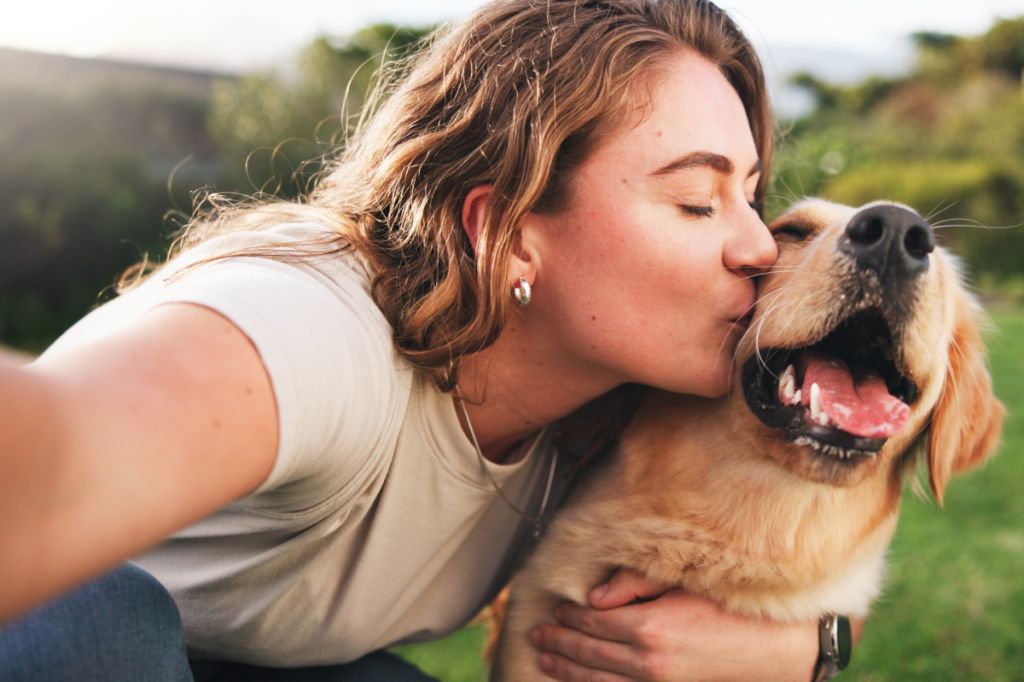
The study from Linköping University set out to examine whether increasing interaction between owners and dogs could directly strengthen emotional bonding.
Owners were divided into groups. One group spent more time socially engaging with their dog, another focused on reward-based training and a third continued their usual routines. After four weeks, the owners who had increased social interaction with their pets reported a noticeably stronger emotional bond.
Senior associate professor of ethology Lina Roth says the results underline the importance of interaction that feels mutually engaging rather than task-focused.
“We saw that adding small moments of interaction into everyday life had a clear impact on how owners experienced their relationship with their dog,” she says. “Even short periods of attention and engagement seemed to make a difference.”
The activities encouraged during the study were centred around interaction and responsiveness rather than obedience. Owners were asked to focus on activities that encouraged shared attention and enjoyment.
For Roth, the findings are especially relevant for people who adopt rescue dogs or welcome pets into their lives later on.
“Play and interaction can become a very effective way of building trust and connection, even with adult dogs,” she says.
Can dogs help with anxiety and loneliness?
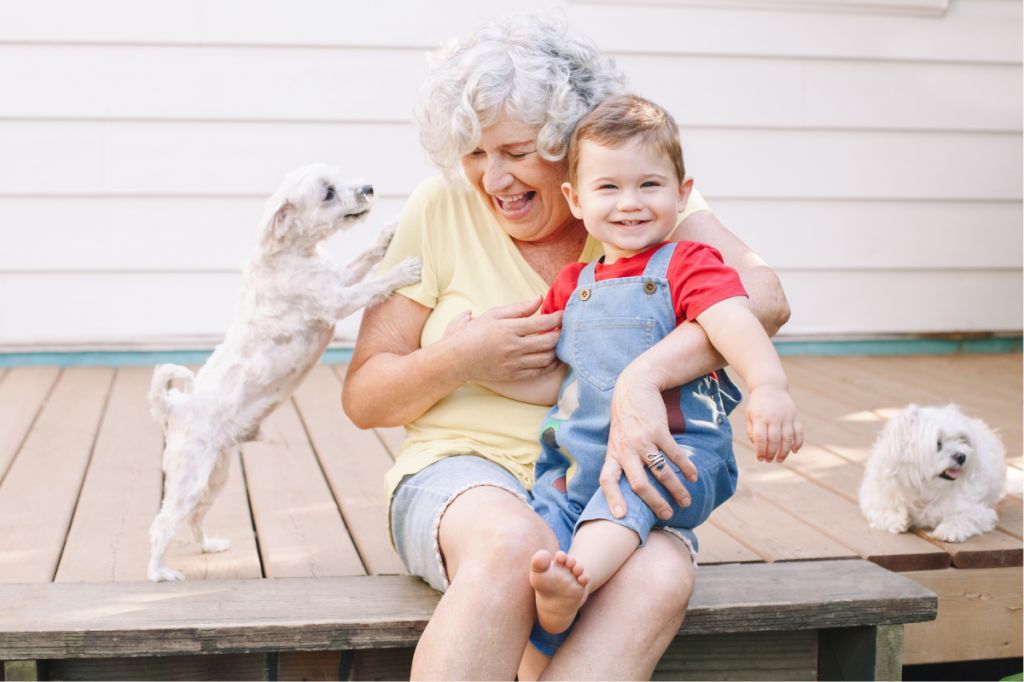
Mental health professionals have long recognised the role animals can play in easing feelings of isolation. Dogs, in particular, can make social interaction feel easier because they naturally create opportunities for conversation and connection.
“A pet supports with depression as it provides the owner with a purpose and routines which can help them to feel good,” Crosby says. “It can also reduce anxiety as the pet can be a protective factor and mechanism in enabling conversations with others.”
For people with social anxiety, the presence of a dog can soften situations that might otherwise feel intimidating. Conversations during walks or in parks often begin naturally, without the pressure that can come with more formal social settings.
“Pet ownership can be great for social anxiety,” Crosby explains. “Pets help the owner get outside and create opportunities to talk to others, as the pet can become a topic of discussion. This can provide a sense of belonging amongst other pet owners.”
That sense of belonging is part of what makes dogs feel emotionally significant to so many people. They do not simply provide companionship; they often shape routines, relationships and the rhythm of daily life.

A relationship built over time
The Linköping University study also suggested that the emotional bond strengthened on both sides. Owners reported that their dogs appeared more engaged and more likely to seek interaction after the four-week period.
According to Roth, this points to the relationship being something that develops continuously through shared experiences rather than being fixed during puppyhood.
“Finding activities that the dog genuinely enjoys is important,” she says. “The goal is for both owner and dog to experience the interaction positively.”
At the same time, experts stress the importance of realistic expectations. While pets can support emotional wellbeing, they are not a substitute for professional help or human relationships, and ownership comes with long-term responsibilities.
“It is important to keep in mind that both are not going to be around forever,” Crosby says. “Whilst they can be a great support for a long period of time, they are not forever. There needs to be realistic expectations around this.”
Even so, the growing body of research into human-animal relationships continues to reinforce something many dog owners already understand instinctively: that connection, routine and companionship can have a profound effect on how we feel.
And sometimes, emotional support arrives in very ordinary ways — through a walk around the block, a quiet moment on the sofa or the steady comfort of having a dog close by.
Words: Lucy Rawlinson, Images: Shutterstock