Caught in the scroll: the quiet drain of social-media addiction
By  Psychologies

As a court awards $6 million to a young woman because she had a social-media addiction, her story is all too familiar. So how do we navigate platforms designed to keep us hooked — and look after our digital wellbeing?
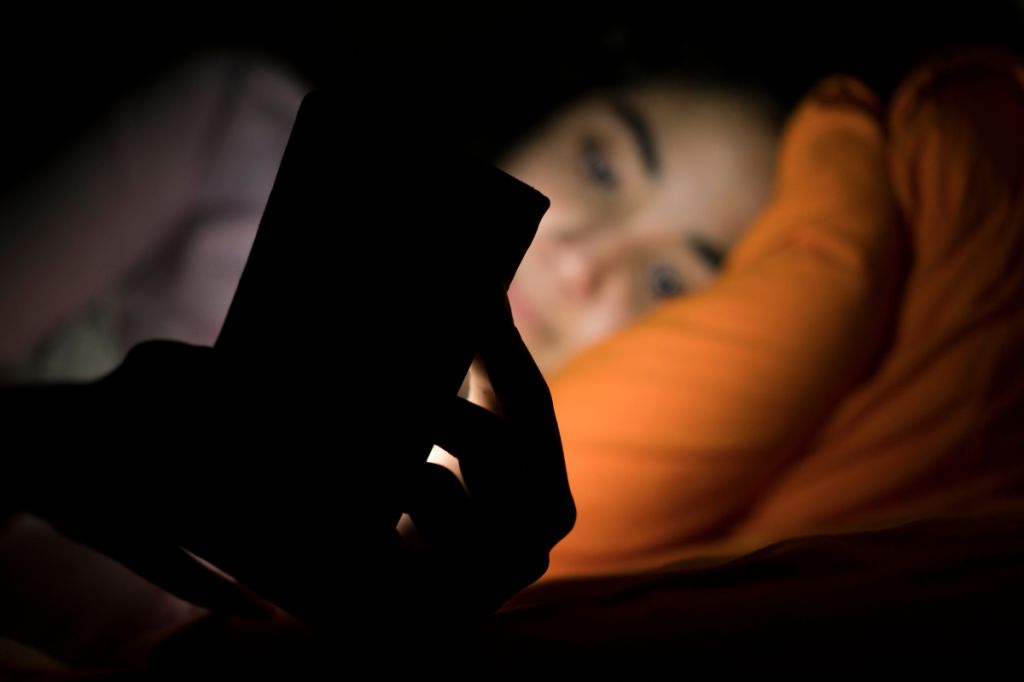
I’m sitting on the couch, phone in hand, scrolling again. I should be doing something else, maybe working, tidying the living room, going for a walk, reading a book, creating a masterpiece. Really, anything. But another notification pulls me in. And another. Then I see the headline: a court in Los Angeles has ruled Meta and Google liable for the harm their platforms caused to a 20-year-old woman named Kaley, who began on Instagram at age nine and eventually sued over the addictive nature of social media. The jury awarded her $6 million in damages.
It hits me — a flicker of recognition. I’m reading this on the very platforms accused of causing the damage. It feels ironic, especially as I think about Kaley, whose self-worth was eroded by endless cycles of comparison. And yet, here I am, caught in the same cycle, feeling both informed and uneasy. Reading about the dangers of social media while being pulled deeper into it is almost absurd — but maybe that tension is exactly where so many of us now live: aware, informed… and still hooked.
My own personal social-media rabbit hole
Here’s the truth: I’m not actually addicted to Instagram, or even FaceBook. My weakness is YouTube. I can’t stop watching it. I’ll open it with purpose — something practical or useful — but somehow hours go by as I drift from dog videos to haircut transformations, ADHD cleaning tips, and global news. I tell myself I’ll watch “just one more,” but that never works. Hours slip by, and I feel a mix of amusement and dread. I’m hyper-aware that I’m consuming content that doesn’t remotely add to my life.
Mindset coach Lily Silverton nails it: “Sometimes you’re on social media and it actually feels a little bit like self-harming, because you are not enjoying what you’re doing, and you’re not sure why you’re doing it.” That low-level discomfort is familiar — the scroll that entertains, yet quietly drains.
Designed to keep us hooked
It’s not about a lack of willpower. YouTube, like other platforms, is engineered to keep us scrolling. Features like infinite scroll and autoplay remove natural stopping points. Professor James Brown explains: “The creators of these platforms have employed psychologists to make sure that stopping the scroll feels distressing.”
Then there’s the internal negotiation I know all too well: “just one more.” Brown calls it “anticipatory reward” — the brain lights up not just from what we’re consuming, but from what might come next. Dopamine, often described as the brain’s “feel-good” chemical, also quiets internal noise. That’s why scrolling can feel oddly soothing in the moment, even if it leaves me feeling flat afterward.
Brown emphasises, “People think it’s about thrill, but dopamine also quietens the noise in the brain,” which explains why the endless stream of videos can feel comforting even when it’s draining — especially if you’re neurodiverse.
One of the trickiest things about social media is that it’s not consistently bad — or good. “You might see something really uplifting,” Silverton says, “or you might see something that makes you feel terrible.” That unpredictability is part of what keeps us coming back. Sometimes it’s funny, connecting, even inspiring. Other times, it leaves us feeling excluded, inadequate, or just… off. It’s the same mechanism that keeps us refreshing, checking, returning. Not knowing which version we’ll get this time.
Being aware that you’re being watched
All of this feels more complicated when you’re aware that younger people — like the claimant in the court case, Kaley — are navigating the same terrain — often from a much earlier age.
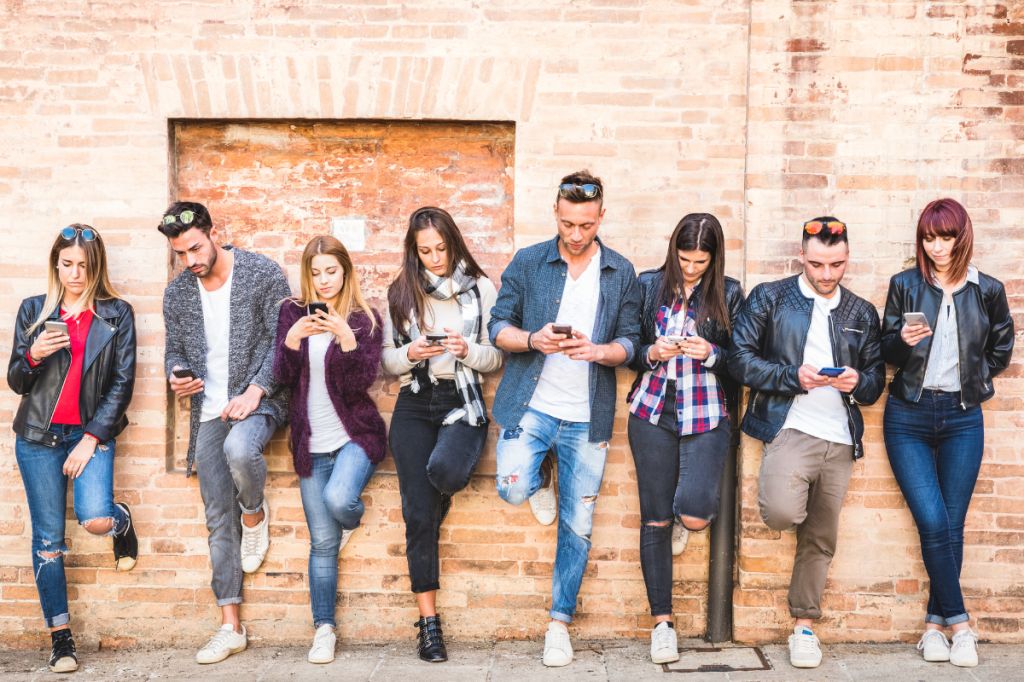
Because I’m not the only one who uses social media in our house, far from it. My teenagers are growing up with social media as the backdrop to nearly everything — school, friendships, self-expression. Awareness alone doesn’t protect them. I try to have open conversations: how do they feel about what they see online? Do they feel pressured to measure up?
However, what struck me in Silverton’s perspective is her observation that now these younger generations may actually be more switched on than we assume: “They see it for what it is.” But awareness doesn’t necessarily equal immunity. Which brings things back, uncomfortably, to us.
Because modelling a healthier relationship with social media isn’t about perfection — it’s about visibility. Letting our children see us pause, question, log off. Letting them see that it’s okay to step away, to put the phone down and do something else, even when the pull is strong.

Taking control of my digital wellbeing
The legal case in Los Angeles may signal a shift in how seriously we take the impact of these platforms. Regulation may come. Design might change. But the more immediate shift is smaller, and more personal.
Silverton puts it simply: “What am I prioritising with an hour of scrolling? How is it making me feel?” They’re not dramatic questions. But they’re surprisingly grounding.
Because most of us aren’t going to quit social media entirely. We’ll still scroll on the sofa, still fall into the occasional rabbit hole. The difference is in noticing when it tips — from something enjoyable into something that quietly drains us. And maybe, every now and then, choosing to stop — not because we should, but because we’ve remembered that we can.
Brown sums it up: “Stopping doesn’t feel natural because it was engineered not to. Recognisng that gives us a chance to take back control.”
Words: Anne Fletcher, Images: Shutterstock