7 signs your obsession with lowering cortisol is doing more harm than good
Cortisol has become wellness enemy number one, with endless advice on how to lower it. But what if we've misunderstood this essential hormone? Nutritionist Hannah Alderson reveals seven signs your approach to stress and cortisol could be doing more harm than good.
 Sally Saunders

We’re used to being told that we need to get on top of our hormones. First it was balancing them, then regulating them, and now it seems everyone is talking about lowering cortisol. The so-called stress hormone has become wellness enemy number one, with supplements, sleep trackers and elaborate morning routines promising to bring it under control.
But what if we’ve got it all wrong? According to nutritionist and hormone specialist Hannah Alderson, author of Everything I Know About Cortisol (DK, £20), our growing obsession with controlling cortisol is overlooking something important: it’s actually a hormone we need.
“Cortisol is an amazing hormone,” she explains. “It’s an adaptive hormone. It wakes you up in the morning. It’s a motivator. It has roles to play with your immune system, your brain health, your digestive health and reproductive health.”
Rather than trying to eliminate it, Alderson believes we should be looking at the bigger picture – including the pressures we’re living with. Here are seven red flags that your approach to cortisol might need a rethink.
1. You think cortisol is the enemy
It’s easy to blame one hormone when you’re feeling exhausted, anxious or overwhelmed. But cortisol isn’t something we should be trying to eradicate. It helps us respond to challenges, get out of bed and navigate everyday demands.
“If we were just to lower cortisol, you wouldn’t be able to wake up in the morning,” says Alderson. The goal isn’t to switch it off, but to support its natural rhythm so it can do its job.
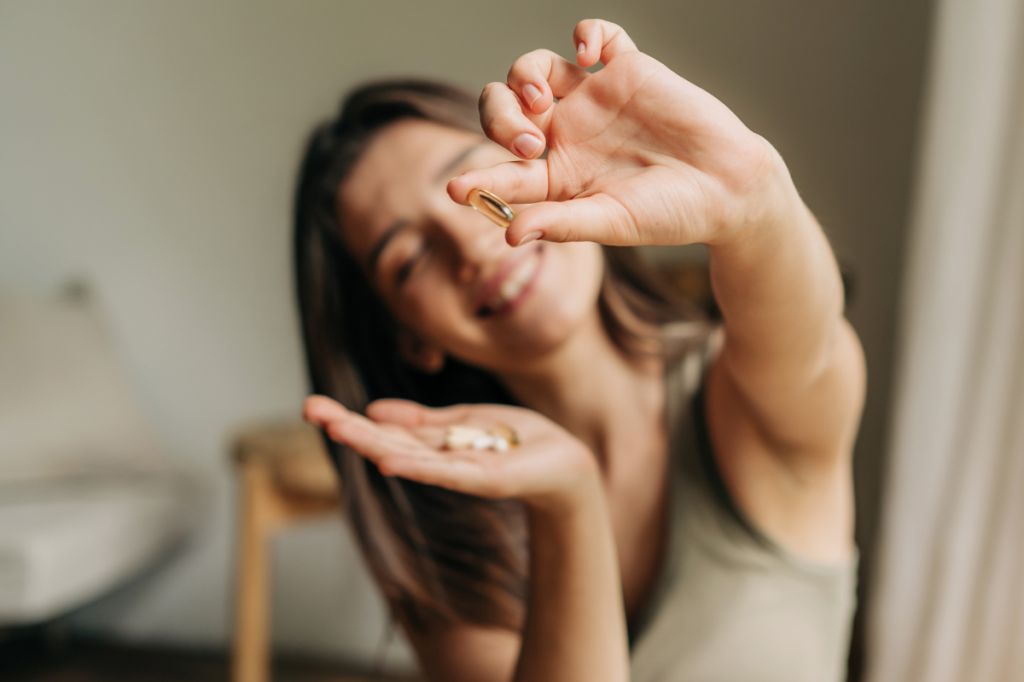
2. You’re constantly buying supplements to fix your stress
If your social-media feed is full of products promising to lower cortisol, you’re not alone. Alderson believes the wellness industry has identified a particularly vulnerable audience: busy women looking for quick solutions.
“When you’re busy, you want the quick fix,” she says. But selling women the idea that one supplement can solve their stress risks distracting from the bigger issues affecting their wellbeing.
3. You’re ignoring the invisible load you’re carrying
Women have made huge strides in the workplace, but the domestic and emotional responsibilities haven’t necessarily disappeared.
Alderson describes the experience of trying to juggle motherhood, running a business and writing a book alongside managing her own endometriosis.
“We’ve broken the glass ceiling, but we’re still going to sweep that up and clear it up and fold the laundry,” she says.
Rather than blaming hormones for how overwhelmed women feel, she believes we need to acknowledge the wider pressures contributing to that stress.
4. You’re measuring everything
Sleep scores, activity targets, hormone trackers and endless health metrics can make it feel as though we’re constantly failing at looking after ourselves.
Alderson warns against the overcomplication of wellness. Sometimes, the foundations are much less glamorous: eating regular, nourishing meals, getting outside and establishing a routine that works for your life.

5. Your morning routine is becoming another source of pressure
Are you beating yourself up because you haven’t managed a 5am start, meditation, exercise and a perfectly balanced breakfast before work?
Alderson believes we’ve created unrealistic expectations around what a healthy lifestyle should look like. “It’s not about being perfect,” she says. In fact, the pressure to fit everything in can become counterproductive.
6. You feel guilty when you put yourself first
If saying no makes you feel selfish, or taking time to do something enjoyable feels like an indulgence, it might be time to reconsider your priorities.
Alderson highlights how self-shame and guilt can feed into the stress cycle. Her advice is to practise setting boundaries, spend time with people who energise you and make room for things that bring you joy.
“Being confident in doing things that bring you joy, being a bit more cringe, hanging out with the people you love,” she says, is part of building resilience.
7. You’re looking for a dramatic solution rather than small changes
A luxury retreat, expensive supplements or a complete lifestyle overhaul might sound appealing, but Alderson believes supporting your nervous system can start with much smaller actions.
She recommends simple practices such as breathwork, spending time in nature, stretching, restorative movement, hugging someone you love and eating breakfast.
Her approach is about repeatedly reminding your body that it is safe, rather than trying to eliminate every source of stress. As she puts it: “The power’s in your hands. You are the storyteller.”
Stress is part of being human, and cortisol is part of how we navigate it. Rather than chasing the perfect hormone levels, Alderson encourages women to create the conditions that allow their bodies to function well.
“You can’t rid your lives of stress,” she says. “It’s part of the human experience.”
Words: Sally Saunders, Images: Shutterstock