Inside the Lindsay Clancy murder trial: The chilling final texts to her husband before killing her three young children
The Massachusetts mother killed her children before attempting to take her own life. Now a jury must decide whether Lindsay Clancy deliberately planned the killings or was suffering from severe mental illness that left her unable to understand her actions.
By 
Pics Getty Images:
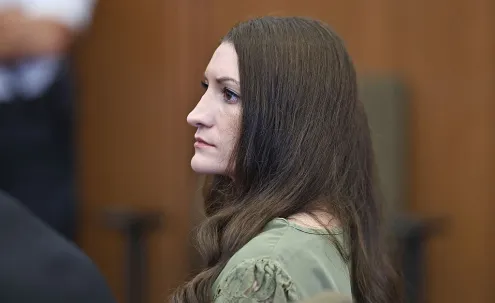
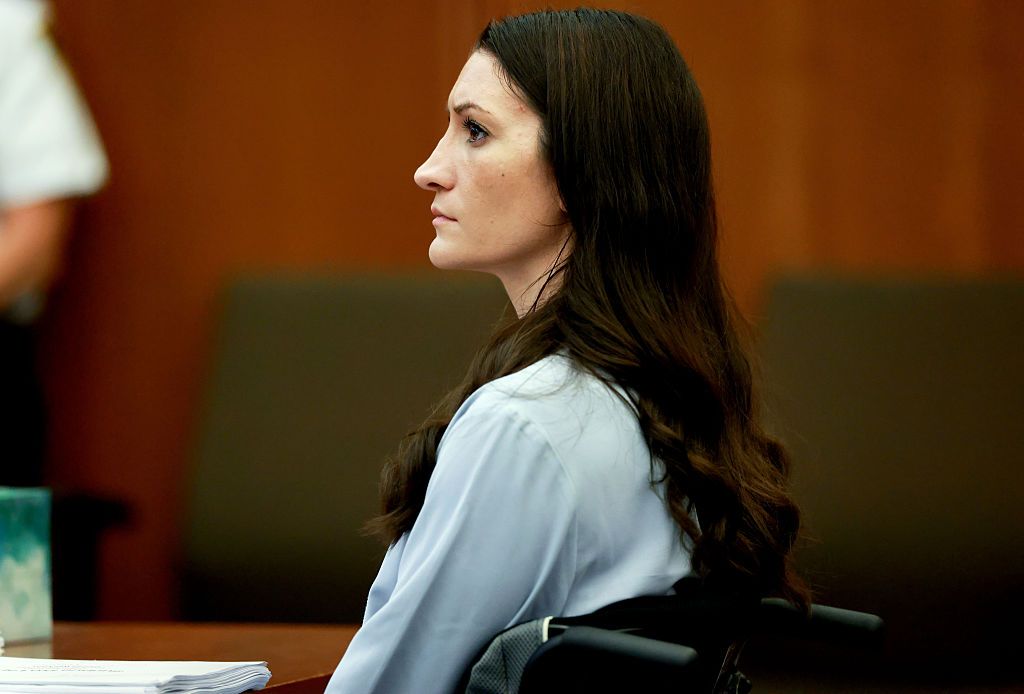
The Lindsay Clancy murder trial is making headlines around the world as jurors hear harrowing details of the Massachusetts mother and former labor and delivery nurse who killed her three young children on January 24, 2023.
Clancy’s legal team does not deny that she killed her children, but is arguing she shouldn’t be held criminally responsible because she was mentally ill — in the grip of bipolar disorder and postpartum psychosis, a rare condition that the Centre for Addiction and Mental Health says occurs in approximately one to two cases per 1,000 births
Prosecutors argue Clancy is guilty of three counts of first-degree murder, having plotted to get her husband out of the house so she could carry out the murders.
The trial, which is being held in Plymouth, Mass., is being livestreamed on CourtTV and major Boston TV stations, as well as YouTube. On Tuesday, the trial moved into day 11, and proceedings are expected to continue for several more weeks.
The final text messages:
The final text messages Lindsay Clancy exchanged with her husband before killing their three young children appeared completely ordinary.
“Any chance you want to do take out from ThreeV,” the Massachusetts mother messaged Patrick Clancy shortly before 5pm on January 24, 2023. “I didn’t cook anything. It’s been a long day.”
Minutes later, the couple were discussing what they wanted to eat. Lindsay chose a Mediterranean power bowl, while Patrick ordered scallops and pork belly risotto.
Just over an hour later, their lives had changed forever.
Patrick returned to the family home in Duxbury, Massachusetts, after collecting medication and their dinner to discover Lindsay outside after she had jumped from a second-storey window.
Inside the basement he found their children — Cora, five, Dawson, three, and eight-month-old Callan — after Lindsay told him where they were.
Cora and Dawson died that night. Callan was taken to hospital but died several days later.
Lindsay, who was seriously injured in the fall and is now paralysed from the waist down, does not dispute killing her children.

The Lindsay Clancy trial:
But more than three years later, a jury is being asked to decide a far more complicated question: Was Lindsay Clancy criminally responsible for what she did?
The case against Lindsay Clancy
Prosecutors argue Clancy deliberately created an opportunity to be alone with the children by asking Patrick to leave the house to collect medication and their takeaway dinner.
She then took the children to the basement and strangled them with exercise bands before attempting to take her own life.
The prosecution has pointed to evidence from Clancy’s phone, including searches for the restaurant and pharmacy Patrick visited that evening, as it seeks to establish that the killings were planned.
Jurors have also heard evidence about disturbing internet searches made in the months, weeks and days before the children’s deaths.
During the third week of the trial, Massachusetts State Police Trooper Timothy Chiappini testified about a forensic examination of Clancy’s phone.
Among the searches presented in court were terms relating to suicide, including “how to slit your throat to die”, “where is the carotid artery” and how to turn off an airbag in a Kia Sorento.
Four days before the killings, her phone was also used to search “can you treat a sociopath?”
Other searches, however, related directly to mental illness and the conditions her defence now argues she was experiencing.
Her phone contained searches for terms including “schizophrenia”, “bipolar”, “psychosis”, “hallucinations”, “insomnia” and “postpartum depression”.
The defence also highlighted searches relating to her children and everyday family life, including children’s films, Paw Patrol, colouring activities and food for babies and children.
Private notes revealed:
Jurors have also been given a glimpse into Clancy’s state of mind through private notes stored on her phone.
In one note, last updated in December 2022, Clancy wrote about feeling disconnected from Callan after stopping breastfeeding and worrying she was not giving her third child the same experience her older children had received.
“I just want to feel happy,” she wrote.
She expressed a desire to give Callan the love he needed and said she felt she was not parenting any of her children in the way she wanted.
She also wrote about wanting another child in the future, while acknowledging she would need to find a good therapist first.
Perhaps most strikingly in light of what happened weeks later, Clancy wrote that she was “terrified of something happening to my kids”.
The prosecution and defence are offering dramatically different interpretations of such evidence.
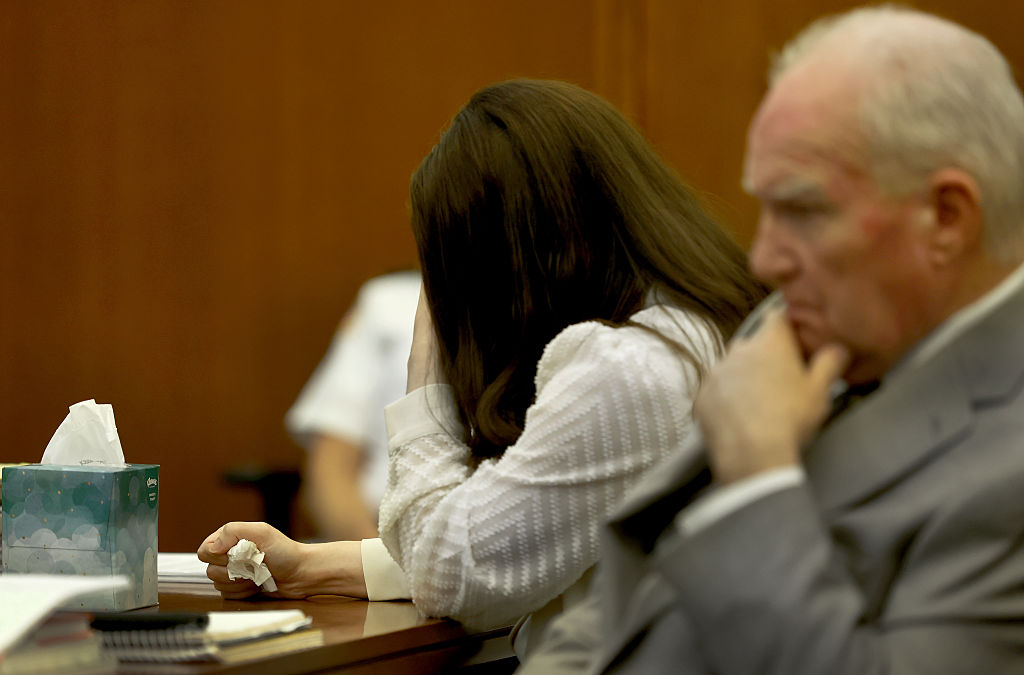
Lindsay Clancy breaks down crying during graphic testimony about her children’s autopsies
The postpartum psychosis defence
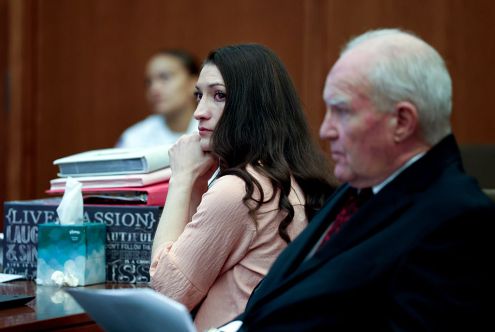
Clancy’s attorney, Kevin Reddington, argues that his client was suffering from postpartum psychosis and bipolar disorder and therefore should not be held criminally responsible for killing her children.
Postpartum psychosis is a rare but serious psychiatric condition that can develop after childbirth and can involve delusions, hallucinations and a profound loss of contact with reality.
Clancy’s lawyers say that, before the killings, her mental health had deteriorated dramatically.
She sought help from multiple healthcare professionals, called a crisis hotline, visited an emergency room and voluntarily admitted herself to a psychiatric hospital.
She was also prescribed a succession of psychiatric medications.
Her defence argues that despite repeatedly seeking help, her condition continued to worsen.
Reddington has scrutinised the treatment Clancy received, including questioning psychiatrist Dr Jennifer Tufts about medication changes and the use of relatively short video appointments.
Tufts testified that Clancy never told her she was hearing voices or experiencing other signs of psychosis. She also said Clancy never disclosed a plan to harm herself or her children.
The defence, however, says Clancy later described hearing voices telling her to kill her children and herself.
A forensic psychiatrist diagnosed her with bipolar disorder and postpartum psychosis after the killings.
Her husband says he forgives her
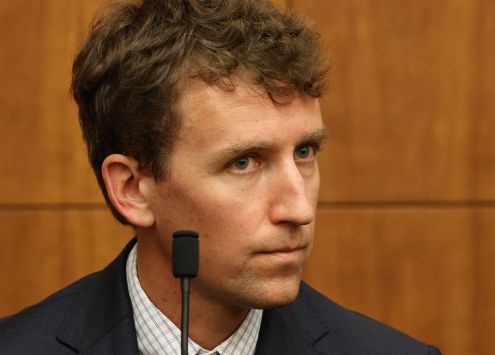
One of the most emotional witnesses has been Patrick Clancy, who has publicly forgiven his former wife and testified about her deteriorating mental health.
The texts revealed in court this week showed how normal their family life could appear even on the morning of the killings.
After Lindsay told him that Cora’s urine test had shown there was nothing wrong with her kidneys, Patrick responded: “You’re a good momma.”
The couple exchanged smiley emojis.
Hours later, he returned home to find his family destroyed.
His anguished reaction after discovering the children in the basement was captured during his 911 call and has previously been played to the jury.
Murder or mental illness?
The trial ultimately centres on two profoundly different accounts of the same events.
Prosecutors say Clancy was capable of planning and deliberately waited until she was alone with the children before killing them.
They have emphasised her actions before the deaths, including arranging Patrick’s errands, looking up locations and carrying out the killings during the period he was away.
The defence says those actions cannot be separated from the severe psychiatric illness it claims had overwhelmed her.
Her lawyers point to her months of anxiety and depression, repeated attempts to obtain treatment, mental-health-related internet searches and subsequent diagnosis as evidence that she had lost touch with reality.
Prosecutor Shanan Buckingham has cautioned jurors against turning the case into a wider judgment on women’s mental healthcare, telling them it is not “a public debate about women’s mental health and how the medical system treats women”.
For the jury, the task is narrower — but extraordinarily difficult.
If Clancy is convicted of murder, she faces life in prison without the possibility of parole.
If jurors find that she lacked criminal responsibility because of mental illness, she could instead be committed to a state psychiatric facility.
After three weeks of testimony, the prosecution is approaching the end of its case. The defence will then have the opportunity to present its evidence and attempt to convince jurors that the deaths of Cora, Dawson and Callan were not the actions of a calculating murderer, but the devastating consequence of severe mental illness.
If you or someone you know is struggling, here’s where to look for help:
- Kids Help Phone: 1-800-668-6868. Text 686868. Live chat counselling on the website.
- This guide from the Centre for Addiction and Mental Health outlines how to talk about suicide with someone you’re worried about.