‘Take painkillers and come back if it gets worse’: Why are midlife women being told to live with chronic pain?
Midlife women are being told chronic pain is a normal part of ageing - and that lifelong painkillers and gradual decline are inevitable. But is this really the case?
By 
Pain and stiffness are often seen as normal parts of ageing. As a result, many midlife women are being dismissed, ignored or put on painkillers for the rest of their lives. But pain doesn’t have to be an inevitable part of growing older – and there are steps you can take to reclaim your life.
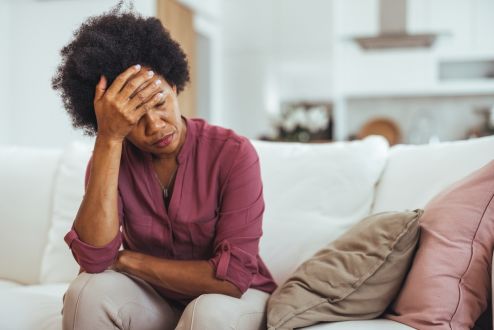
It’s estimated around 28 million people currently live with some degree of chronic pain in the UK alone. NHS data also reveals the prevalence of chronic pain is higher among women. Despite this, over half of UK women report feeling like their pain has been dismissed by a GP or healthcare professional.
For many midlife women, the advice is often the same: take painkillers and come back if it gets worse. While this advice may be well-intentioned, it often leads women to feel dismissed, confused and like their pain doesn’t matter. It’s also forcing millions to believe that their pain will only get worse as life goes on.
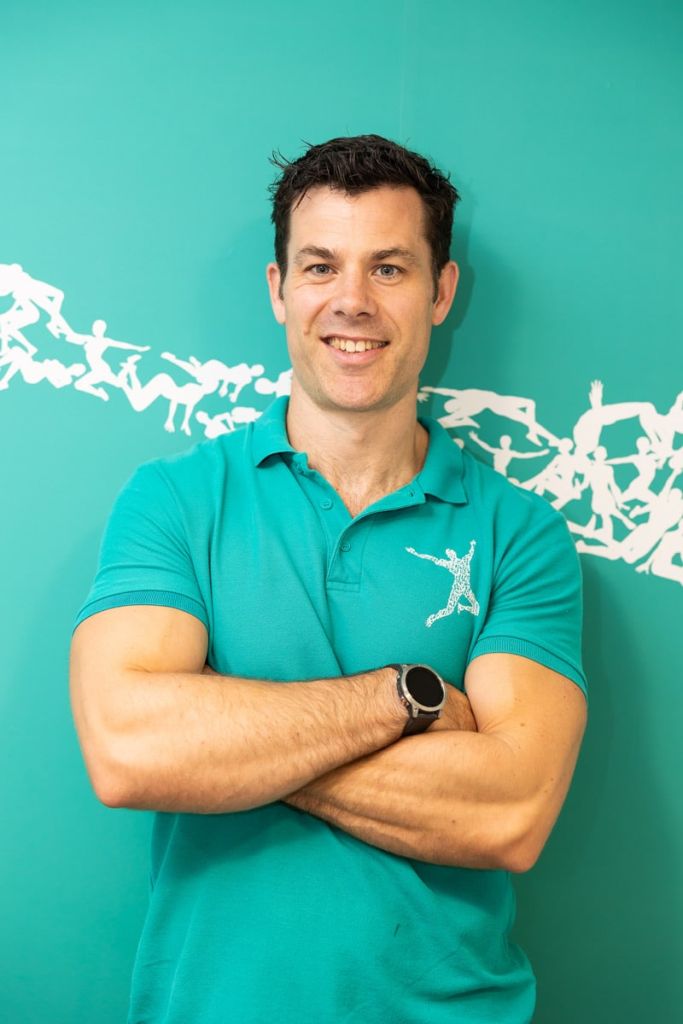
‘One of the biggest frustrations I hear from women in their forties, fifties and sixties isn’t actually the pain itself – it’s the uncertainty that comes with it,’ comments Phil Evans, physiotherapist, author and owner of Urban Body. ‘Many tell me they’ve gone to seek help because they’re suddenly aching in places they never used to, they’re waking up feeling stiff, or they’re finding everyday activities are becoming more difficult.’
‘They leave with painkillers and advice to rest, or they’re told to come back if things get worse,’ Phil continues. ‘This can leave people feeling as though nobody has really explained what’s happening to their body. Or, more importantly, what they can do about it.’
‘I think that’s where so much of the frustration comes from,’ he adds. ‘When people don’t understand why they’re in pain, it’s very easy to assume the worst. Many conclude that they’re simply wearing out, that it’s their age or that they’ll just have to learn to live with it. In my experience, that’s rarely the whole story.’
Chronic pain in midlife
For many women, pain and stiffness begin suddenly during midlife. ‘Many women describe midlife as feeling as though their body changed almost overnight,’ says Phil. ‘They’ll often say, “I don’t recognise my body anymore,” or “I feel like I’ve aged ten years in the last twelve months”. They wake up feeling stiff when they never used to, and a walk, a workout or even a busy day leaves them sore for much longer than it once did. It’s completely understandable that many begin wondering whether they’re simply wearing out.’
When it comes to figuring out why you’re feeling achier, stiffer or weaker in midlife, perimenopause and menopause are an important part of the picture. ‘Falling oestrogen levels can affect muscle mass, recovery and joint comfort,’ Phil tells us. ‘At the same time, we naturally begin to lose muscle through a process called sarcopenia. Most people have never heard the word, but they’ve usually noticed the effects. For example, the stairs take a little more effort, carrying shopping becomes harder, and recovery isn’t quite as quick as it used to be.’
Although newfound pain is common in midlife, largely due to the impact of hormonal changes, Phil is quick to stress that this doesn’t mean your body is simply wearing out, or that it’s something you should just put up with. A repeat painkiller prescription doesn’t have to be a lifelong sentence and there are steps you can take to counteract the impact ageing has on your joints, bones and muscles.
Preserving your body’s support system
For Phil, taking steps to protect your strength and mobility as you age is vital to maintaining a full and enriching life – and warding off the aches and pains that commonly arise as you age.
‘What I try to explain is that muscle isn’t just about lifting weights or going to the gym – it’s your body’s support system,’ he explains. ‘Strong muscles support your joints, help you move more efficiently and give you the confidence to stay active.’
‘But when that support system starts to weaken, everyday movements often become harder, and that’s when people naturally begin doing a little less,’ he adds. ‘For example, someone’s knees start hurting, so they stop walking as far. Their shoulder becomes painful, so they stop swimming. Their back feels stiff, so they avoid gardening.’
While the decision to move less makes sense – after all, no one wants their pain to get worse – this can make it even harder to maintain strength, mobility and joint health in the long run. ‘The difficulty is that moving less often creates a second problem,’ Phil explains. ‘Muscles become weaker, joints become stiffer, and confidence starts to disappear. Before long, it isn’t just the pain that’s changed: it’s the person’s whole lifestyle. That’s what concerns me most.’
‘It’s rarely the painful knee or the stiff shoulder that has the biggest impact,’ Phil adds. ‘Instead, it’s the holiday that never gets booked because someone’s worried about the walking, or deciding not to get down on the floor with the grandchildren because getting back up feels too difficult. It’s turning down invitations, avoiding days out and gradually accepting a smaller version of life. Pain changes behaviour long before it changes a scan.’

Taking steps to reclaim your life
Phil works with midlife and senior women every week who believe their pain is just something they have to put up with. Through rehabilitation and exercise, many have been able to gradually regain mobility. ‘I’ve had countless conversations with women who arrive convinced that their body is simply worn out,’ he tells us. ‘Then, as they begin rebuilding strength and confidence, they start doing things they hadn’t imagined possible just a few months earlier.’
‘I remember one lady saying to me, “Phil, I don’t actually care if my knee aches a little. I just want to be able to get down on the floor with my granddaughter again”,’ he continues. ‘That conversation has stayed with me because it perfectly summed up what rehabilitation is really about. People don’t come to see me because they want stronger quadriceps or better hip mobility – they come because they want their lives back.’
It’s important to note that not every midlife ache or pain can be solved with exercise and rehabilitation work alone. ‘Persistent or worsening symptoms should always be properly assessed so that serious conditions aren’t missed, and people receive the right diagnosis and treatment,’ Phil recommends.
But if you’ve been told by your doctor that everything is ‘fine’, and that living on painkillers is your only option, Phil believes other paths are available – and that a life beyond pain can be possible. ‘People underestimate just how adaptable the body remains throughout midlife and beyond,’ he tells us. ‘Some of the most rewarding moments in my career have come from watching people achieve things they were convinced they’d never do again.’
‘It rarely happens because of one miracle treatment,’ he adds. ‘More often, it’s because they finally understand what’s happening, start rebuilding strength, and gradually regain confidence in what their body can do.’
Rewriting your future
‘If there’s one message I’d like you to take away,’ Phil concludes, ‘it’s this: don’t assume pain automatically means decline. Your body may have changed, but that doesn’t mean your future has already been written.’
‘With the right explanation, the right support and a plan that makes sense, I’ve seen people regain strength, confidence and freedom they never thought they’d have again.’
Phil Evans (Phil the Physio) is the author of Build to Last After 50 and a Chartered Physiotherapist with over twenty years’ experience helping people over fifty move better, get stronger, and stay independent. He is also the founder of Urban Body, which combines evidence-based physiotherapy with advanced rehab to help people take control of their health.