The King and AI: experts warn about hidden risks of outsourcing our lives to tech at monarch’s summit
As AI becomes part of everyday life, psychologists warn that relying on it for reassurance, relationships and decision-making could come at a cost. Here’s what we risk losing if technology starts doing too much of the human work
By 
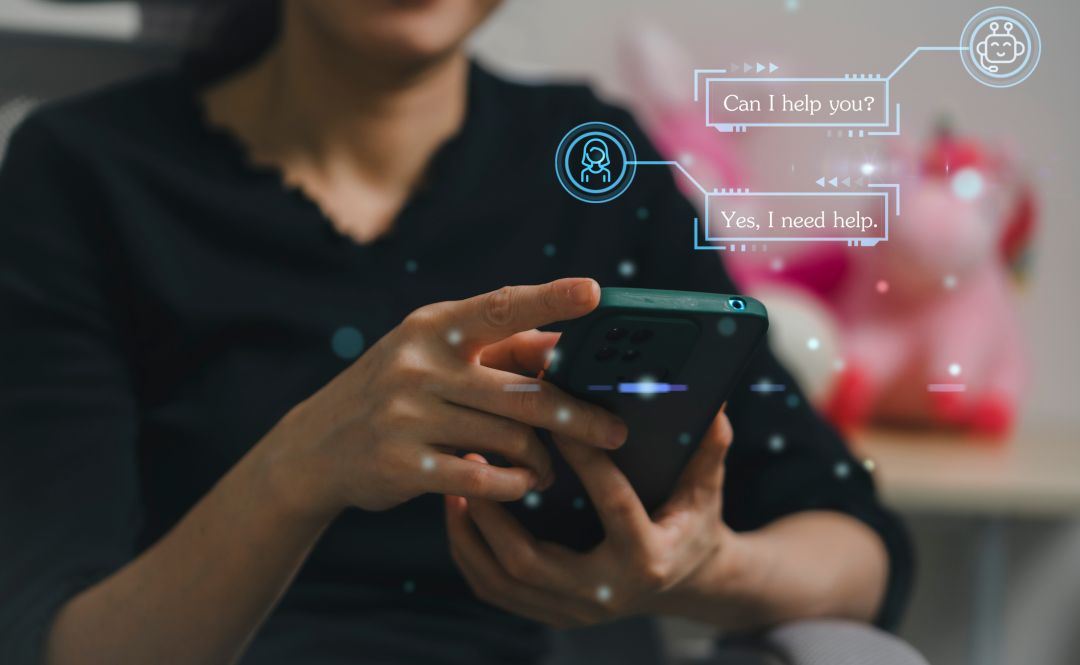
With Artificial Intelligence once again making headlines following expert’s stark warnings that it is developing too rapidly, the King’s summit this week is timely.
With some specialists saying the catastrophic risks of AI could cause human extinction within a decade – due to factors including cyberattacks, chemical misuse and loss of control – King Charles meeting with executives from some of the leading artificial intelligence firms such as OpenAI – is set to address the potential risks of the technology.
And his meeting, due to take place on Thursday at Scotland’s Dumfried House, headquarters of The King’s Foundation, couldn’t have come at a better time according to several people I spoke too.
With reports that the King is set to discuss the topic of how to make sure AI is developed and used for humanity’s benefit, many agree with his supposed stance that human interaction must not be overlooked when it comes to AI.
Among them is mental health expert Matt Grammer, founder of Therapy Trainings.
“I wholeheartedly agree with the King if he is addressing the need for AI to benefit people, rather than undermine human values,” he said.
“By encouraging tech leaders to be careful with this innovation, as oppose to stop it, that is important.
“Whilst AI won’t necessarily make us “less human,” what it does do is push us farther away from being human. The issue is that we will outsource human experiences to AI. Experiences like sitting in uncertainty, having hard conversations, and feeling & sitting with difficult emotions. We will outsource our connections.
“When it comes to psychology, outsourcing our human connections to AI will make us conveniently numb. AI will give people reassurance, company, and make decisions for them. It will allow people to not tolerate uncertainty and validate emotions they may not truly feel. People will become emotionally dependent on technology and create a false sense of intimacy.”
Beware the consequences
Having witnessed many of his patients use AI to try to resolve conflicts that have arisen, psychotherapist John Puls, who predominantly treats young adults who are heavy consumers of AI at his www.full-life-comprehensive-care.com/ clinic, believes the consequences of doing this can be extremely unhelpful.
“AI is making us less human by deferring to AI to resolve interpersonal conflict and communicate with each other,” he explained.
“Previously, a conflict with your employer, spouse, or friend, required thoughtful problem solving and a personalized response. Currently, many of my patients are inputting the conflict to the AI and having it construct a response for them. Even worse, they acknowledge that they know the person on the other end of the conflict is likely doing the same thing. When we avoid this type of human connection and normal experience, I believe the result is dire, keeping in mind, many conflicts happen in person and there will be no AI system to support.”
With reports that King Charles may also touch upon the wider impact of AI on society, perhaps how it is being used for emotional support and companionship, this is one area that Transformation & Technology Leader Dean Cooper, founder of www.streettherapy.co.uk believes should be addressed.
“Used well, AI can help somebody organise their thoughts, reflect at a difficult moment or feel less alone when nobody else is immediately available. But companionship is where I think we reach one side of the knife edge,” he pointed out.
“AI can respond to somebody at two in the morning. It can help someone articulate a feeling they have struggled to express. But it cannot hug you, hold your hand or genuinely care about you. “Human relationships involve reciprocity, friction, compromise, body language, silence and disagreement. Those things can sometimes be uncomfortable, but they are also part of what makes connection human.
“My concern is that in a society already becoming more isolated, replacing more human interaction with artificial companionship could make isolation easier to tolerate without actually solving it. We may feel connected while gradually becoming less connected to one another.

“The same knife edge exists cognitively. I sometimes describe this as the risk of “digital dementia” — not as a medical diagnosis, but as shorthand for what can happen when we repeatedly outsource remembering, reasoning, writing and decision-making to technology.
“If every question is checked with AI, every email is written by it, every decision is confirmed by it and every difficult thought is processed through it first, we risk losing what I call brain custody.”
Although he doesn’t believe AI development should be stopped, he is glad the King is taking caution.
“I think we should accelerate AI where it removes genuine human barriers, while being much more cautious where it begins replacing human judgement, resilience, relationships and agency. The test I keep coming back to is: Is AI helping the human do something, or is it gradually doing the human part for them?”
Losing a sense of self
Although it is not known exactly what the King will say at Thursday’s meeting, he has in the past stressed that AI development needs to remain centered on people and their wellbeing.
And it’s the wellbeing factor that concerns mental health counsellor Brianna Paruolo, founder of www.Onpartherapynyc.com who believes that with the quick integration of AI virtually everywhere, people are completely losing their sense of self and ability for decision making because of AI.
“The instant gratification of an answer (and one that typically agrees with you) is creating such a disconnect from truly knowing who we are,” she stressed. “It’s not beneficial for our wellbeing.
“One of my biggest concerns from a clinical perspective is that this loop never truly closes, it only grows and perpetuates self-doubt. People become attached to their chatbot and refer to them as if they’re speaking highly of a close friend. There is no stopping point or space for you to sit in the discomfort of not having all the answers, and it’s actually maintaining anxiety. Reassurance seeking is one of the things we are wary of in the therapy room, as giving reassurance too quickly can backfire and perpetuate anxiety.
“We often say in therapy through the discomfort is where and when you grow. When we sit in the unknown and challenge ourselves to accept the situation and figure it out, this is where identity is truly formed.
“If AI is eliminating any discomfort, tolerance level for any slight inconvenience is plummeting and our ability to trust our judgement dissipates.