
No Snapchat, but you can keep WhatsApp: why social media bans for teens aren’t a simple fix
 Sally Saunders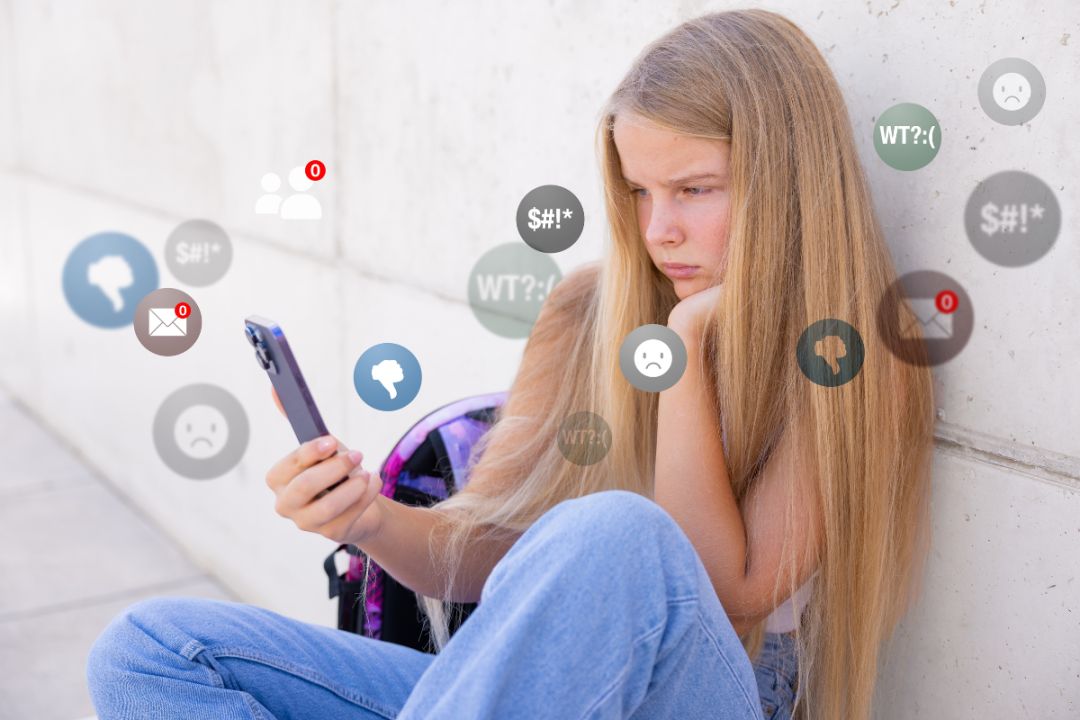
Should we ban teenagers from social media? That’s the question the British Government is currently debating — and seems to be answering yes. But experts are urging caution in jumping at what may appear to be a simple solution to a far more complex problem
Educational psychologist Dr Ahmar Ferguson, who works clinically with children, adolescents and families, says that slapping a ban on teens and ending the debate risks oversimplifying young people’s relationship with technology.
“Children’s use of social media sits within a much wider developmental context,” he says. “It’s about peer relationships, safety, autonomy and the shrinking availability of offline spaces.”
His argument is not that social media is harmless, but that an outright ban may overlook why children rely on these platforms in the first place, and could unintentionally create new risks.

So much social media variety
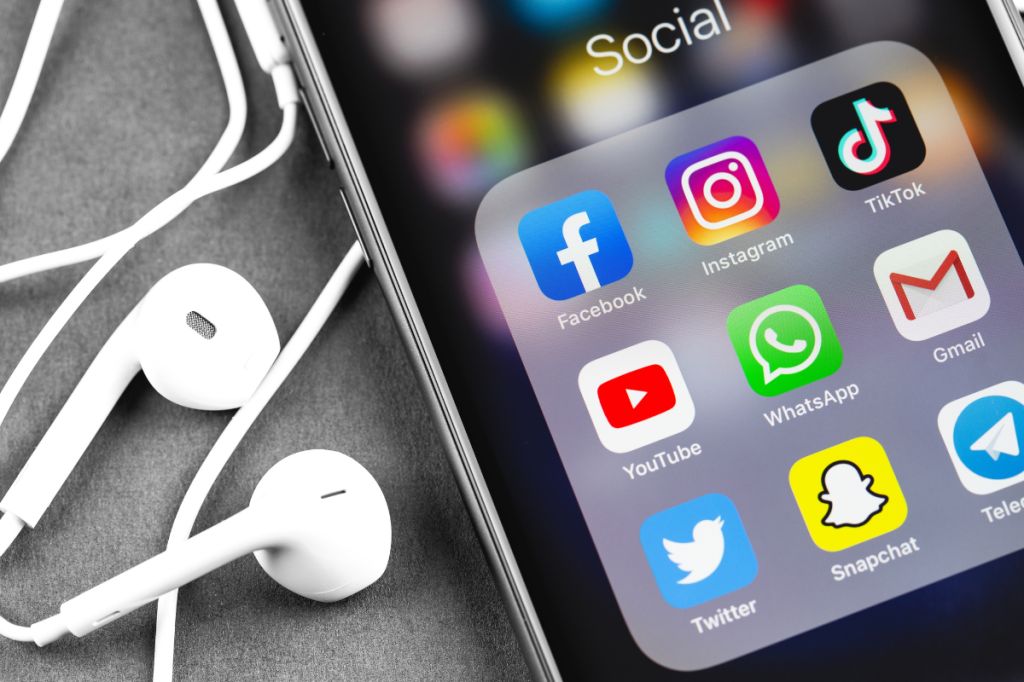
The reality, Ferguson says, is that social media is not one thing. Different platforms create different pressures and demand different responses. Some, such as WhatsApp, primarily facilitate communication between existing friends and family. Others, including Instagram and Snapchat, are built around visibility, performance and social validation. TikTok sits somewhere in between, offering both educational content and highly engaging algorithm-driven feeds.
The Government is currently planning to follow Australian lead. “We plan to use the same model for a social media ban as Australia. Their model included platforms like Instagram, YouTube, TikTok, Snapchat, Facebook and X. We do not intend for messaging services like WhatsApp and Signal to be included in the social media ban,” it said in its guidance factsheet.
Yet despite their differences, these services all share a common thread: they are designed to capture attention and influence behaviour.

Adults are vulnerable too
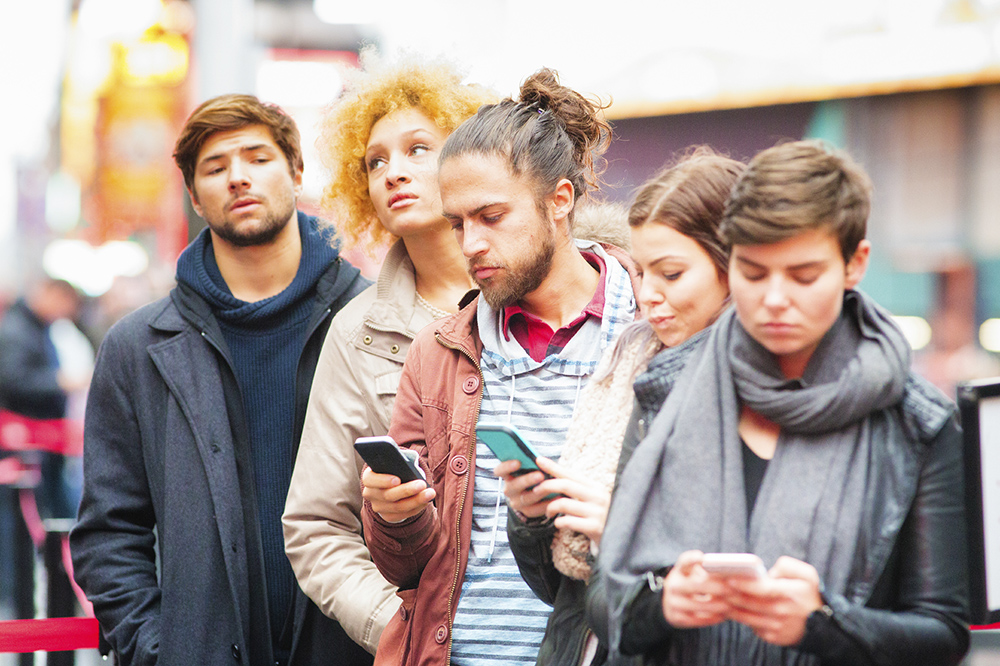
And children are not the only ones affected. Business psychologist Natalie Mason, who researches social media behaviour, says adults experience many of the same psychological pressures every day.
“Social media can massively impact confidence,” she says. “It’s built on social comparison – posting for other people’s approval and seeing their highlight reels in return. The entire system rewards impression management.
“Everyone is performing optimism,” Mason adds. “It creates the illusion that everyone else is advancing while you’re standing still. Even if you logically know it’s not true, emotionally it’s exhausting.”
The biological mechanisms behind this are powerful. Positive feedback, such as likes and comments, releases dopamine, creating short bursts of validation. But when those reactions don’t materialise, our brains can interpret it as social rejection.
“It’s not vanity,” Mason says. “It’s biology.”
Creating unrealistic expectations
If fully developed adults struggle to resist these systems, Dr Ferguson argues, it is unrealistic to expect children and young teenagers, whose brains are still developing, to navigate them without support.
This is particularly true on platforms such as Snapchat, which he describes as especially concerning. Features like disappearing messages reduce accountability and make harmful interactions harder for parents, schools and professionals to monitor or intervene in. The pressure to maintain “streaks” and respond immediately can also heighten anxiety and encourage compulsive checking.
At the same time, Dr Ferguson cautions against treating social media itself as the sole problem.
Over the past decade, youth clubs, informal community spaces and opportunities for unstructured play have steadily disappeared. For many young people, especially those who are anxious, neurodivergent or socially marginalised, online spaces have become substitutes for the offline connections that no longer exist. Removing access without providing alternatives, he warns, risks increasing isolation.
Deciding to choose what social media you consume
There is also the danger that blanket bans simply drive behaviour underground. Children may migrate towards less regulated platforms or create hidden accounts, reducing opportunities for adults to offer guidance and intervene early when problems arise.
Both experts agree that the answer lies not in forced disconnection but in helping families develop healthier relationships with technology.
That means stronger age verification, safer default settings, improved moderation and greater accountability from technology companies. It also means giving parents practical, non-judgemental support to understand privacy settings, recognise platform-specific risks and have regular conversations about online experiences.
For adults, Mason says, the solution is also about reclaiming control. “We’re not consuming neutral information online – we’re consuming performance,” she says. “You decide what stories you consume and how you interpret them.”