Dance your way to fitness at 50 – the exercise that feels too much like fun to be a workout
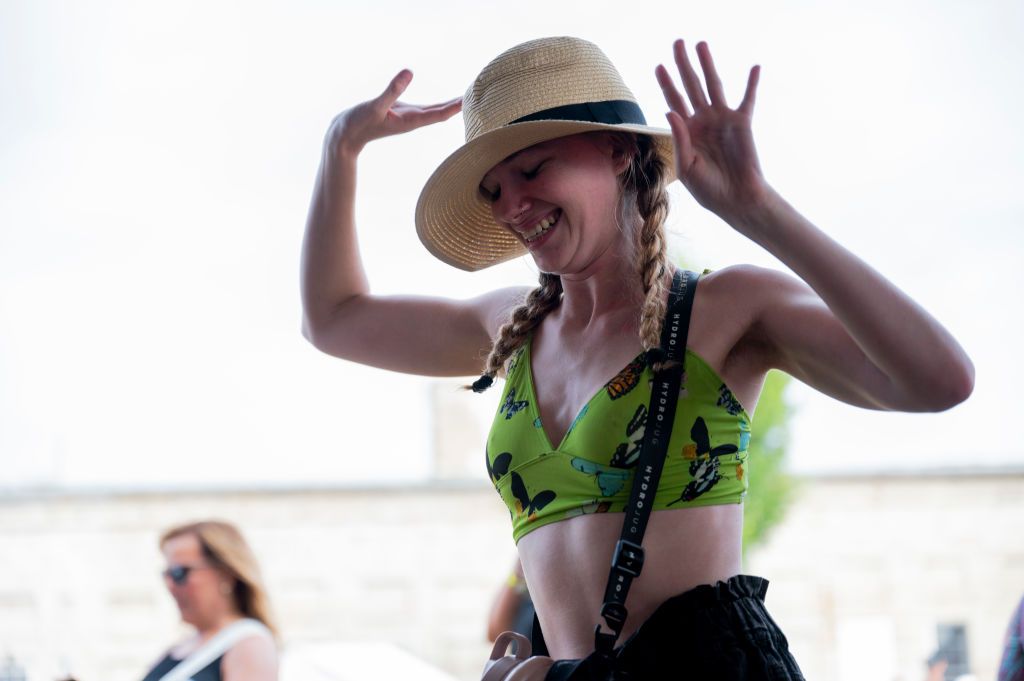
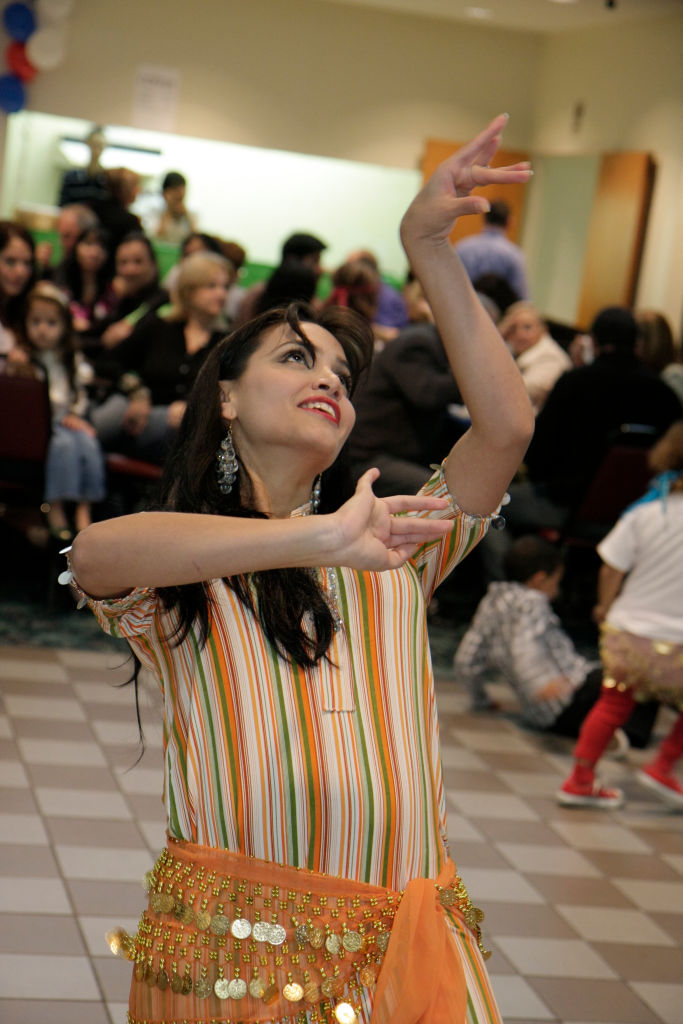
From Zumba to ballet and the nightclub to your own kitchen disco, dance is one of the best exercises for women over 50. Not only is it fun, it works your body and your brain and can be a powerful stress reliever, for several reasons. Discover how it can benefit you
By 
Pics: Getty Images
With the UK’s Strictly Come Dancing BBC show underway – and Zumba, one of the world’s biggest dance-fitness brands having just marked its international 25th anniversary – there’s no better time to boogie your way to better health. We hear from dance experts – including TV personality Motsi Mabuse, one of the judges on Strictly – about what makes it so enjoyable and how it can help burn calories, improve balance, exercise the brain and protect your bones, amongst other things!
Why dancing really counts as exercise
There is plenty of scientific evidence that proves dancing is good for us but many people may not class it as a form of exercise per se. However, for women over 50 it is vastly beneficial, with studies showing it can improve our cognitive function, memory, cardiovascular health and of course, our mental wellbeing. In fact, the World Health Organization points to dancing as a form of physical activity, and, depending on intensity, it can be seen as moderate or vigorous exercise.
What’s more, when it comes to menopausal women, dance can be particularly useful as it also helps lift mood, aid sleep, strengthen bones and muscle – something we need to take seriously as we age. And then there is also the important aspect of dance being a tool to help us embrace our bodies; an important one for menopausal women who can sometimes lose their confidence at this stage of their lives.
Dance can help you reconnect with your body
According to psychologist Zoe Ross – whose mother was a professional ballerina – dance is perfect for “bridging the gap between the mind and body”.
“Dance is not just a work out, it’s a creative expression that encourages you to use your body as a collaborative tool,” she pointed out. “Dance supports you in learning your body’s own unique language, which can better assist in overall wellbeing.”
It can change the way you feel about your body
And it also helps women with their body image and confidence – shifting the focus from how our bodies look to what they can actually do; move!
“Many women are conditioned to believe their body’s function is just for appearance and it is something to fight against. Dance awards an opportunity for women to celebrate their body for what it can do, not just for what it looks like,” added Zoe Ross.
Why dance is particularly powerful after 50
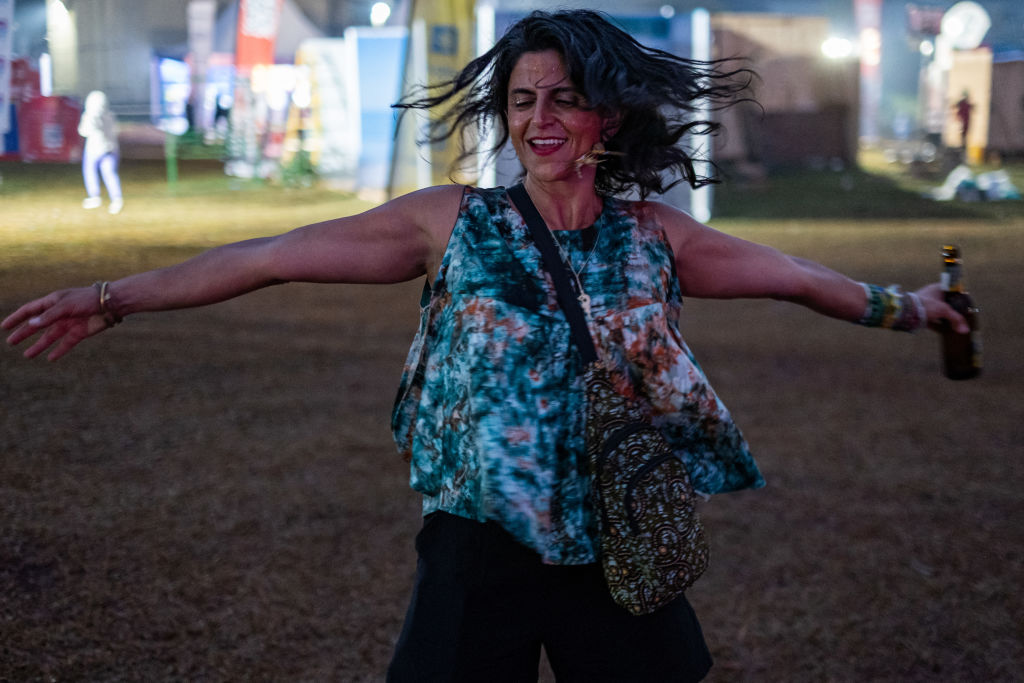
“Dance is particularly powerful for older women as it’s a way to engage in play, something we often lose with age. It facilitates connection to music, which can transport us through time. Memory consolidation is also supported through dance by executing choreography.
“Women may also feel a sense of pride in the way they’re progressing, as the power of learning something new is valuable at any age.”
Why Zumba feels more like fun than exercise
As someone who embraced Zumba when it first became popular in the early 2000s, I can recall the sense of joy I had as soon as the Latin-inspired music began. I may not have managed to follow the choreography of the dance routines so well but I certainly kept going back for more, as I loved the camaraderie of dancing alongside other people and the energy in the room.
Often described as “exercise in disguise” by Zumba, it’s certainly got its website tagline right when it calls itself “the happiest workout ever.” And with more than 15 million weekly participants in 200,000 locations across 189 countries, it’s understandably super popular – particularly with older women.
How many calories can you burn dancing?
At the age of 50, a rough estimate of how many calories you can burn in an hour’s class is around 300 – depending on your weight and the intensity at which you move, of course. Compare that to my half hour run that I “endure” that burns around 200 calories and I know what I’d rather – and will be – doing going forwards.
Plus, running I find is rather boring and lonely, whereas a social class like Zumba is the complete opposite.
Motsi Mabuse on the joy of dancing
As a passionate dancer and someone who has applauded Zumba for its energetic and inclusive approach to fitness, TV star Motsi Mabuse recently praised the Zumba brand’s efforts for inspiring people to discover the joy of dancing and movement. Speaking at a UK-based event to mark the brand’s 25th anniversary, she said:
“With Zumba, you have to bring the energy, give everything and just go for it. But that’s exactly what I loved about it” (referring to the event that saw 500 Zumba instructors dance together). “The energy in the room was amazing. Everyone dancing, smiling, sweating and just enjoying the moment together. I absolutely loved it!”
Dancing could also give your brain a workout
As a dance teacher for over four decades, and now an ADHD coach at Fit-ology, Jessica Covington is well versed when it comes to talking on the cognitive and emotional benefits of dance for women.
“Research shows us that various types of movement, like dance, can stave off cognitive decline related to aging; improve mood; and create shorter-term benefits in working memory, neurotransmitter balance and all of the executive functioning skills,” she explained.
“Dance in particular meets these needs by giving our brains enough jobs to do: we are hearing the music, counting the beat, moving our bodies through space, using memory to remind ourselves of the steps, tracking the position of other bodies and objects, balancing, and processing emotion all at once.”
Why dance makes your brain work hard
Such is her passion for dance, at her ADHD practice where she sees a lot of midlife women, she encourages it to her patients.
“I’ve developed a framework for my coaching practice that begins with movement, like dance, as the very first element because the data is so strong. The benefits of dance are vast.”
Dancing can help strengthen your bones
Being weight-bearing and an impact-based form of exercise, dance is an excellent way to strengthen bones. For menopausal women, this is important as falling oestrogen levels during this stage of their lives can accelerate bone loss. This is something classical ballet dancer Mariia Viiuk, who also teaches adults, highlights.
“I firmly believe that you can and should dance at any age but as we get older, regular physical activity becomes especially important. Muscle strength and mobility can gradually decline with age, so it is important to maintain and strengthen the muscles. Dance exercises provide physical activity while also helping to develop coordination and maintain mobility,” she explained.
“Secondly, dance requires not only physical effort but also mental engagement. You have to remember the movements, perform them in a particular sequence, and coordinate them with the music. This simultaneously engages memory, attention, and motor coordination.
“Thirdly, dance classes provide an opportunity to socialize. People meet others who share their interests, learn something new together, and enjoy the positive emotions that come from being part of a group. And when you enjoy the music, love the dance itself, and find pleasure in the learning process, it becomes much easier to attend classes regularly. Regular physical and mental activity can play an important role in maintaining overall well-being and an active lifestyle as we age.
“So choose a form of dance that you enjoy, and dance with pleasure and for the benefit of your health!”
No dance class? Have a kitchen disco instead
And finally, if you can’t get to a dance class, you can step out in your kitchen instead! This is the advice from clinical psychologist Elizabeth Lombardo.
“One of the great parts of dance as exercise is that it doesn’t really feel like exercise. Unlike a treadmill, which feels boring and monotonous for many, dance evokes fun and playfulness.
“The wonderful part about dance is that you can do it anywhere. If life is too busy, try dancing in the kitchen while you’re washing dishes. Keep in mind, the goal is not to be a great dancer, but rather to move in ways that make you feel more alive and more joy.
Dance could be the stress-busting exercise you need
“As we get older, fun and playfulness are not always part of our lives. Dance is a great way to incorporate those vital elements into our life.
“Movement in general can help decrease stress and enhance mood. Music can be very powerful at helping us feel happier. And positive psychology also suggests that having a moderately challenging, meaningful goal can make us happier. We can achieve that by learning new dance steps.
“Dance is a wonderful way to interrupt what I call the psychological Red Zone, when our distress is elevated and we start to think in more negative ways because our brain is in survival mode.”