
Why everyone is playing Mahjong – the surprising psychology behind its boom
From WhatsApp groups to packed London clubs, Mahjong is suddenly everywhere. But what is it about this ancient tile game that has people hooked? Experts reveal why it could be the screen-free, sociable hobby we’ve been waiting for
By 
Pics: Getty Images
There was a time when dinner-party conversations among my friends revolved around menopause, hormones and the latest wellness trend. Now, increasingly, there’s another topic taking over: Mahjong.
I’m yet to properly learn how to play, but I’m already surrounded by it. I’m in several WhatsApp groups where friends discuss games, classes and clubs – and one Mahjong group I’m hoping to join is particularly telling. The photos are full of people sitting around tables, tiles spread out in front of them, laughing and chatting.
And perhaps that’s exactly why Mahjong is having such a moment.
In a world where so much of our social interaction takes place through a screen, the ancient tile game offers something increasingly precious: the chance to sit around a table with other people, learn a skill, concentrate on something and simply have fun.
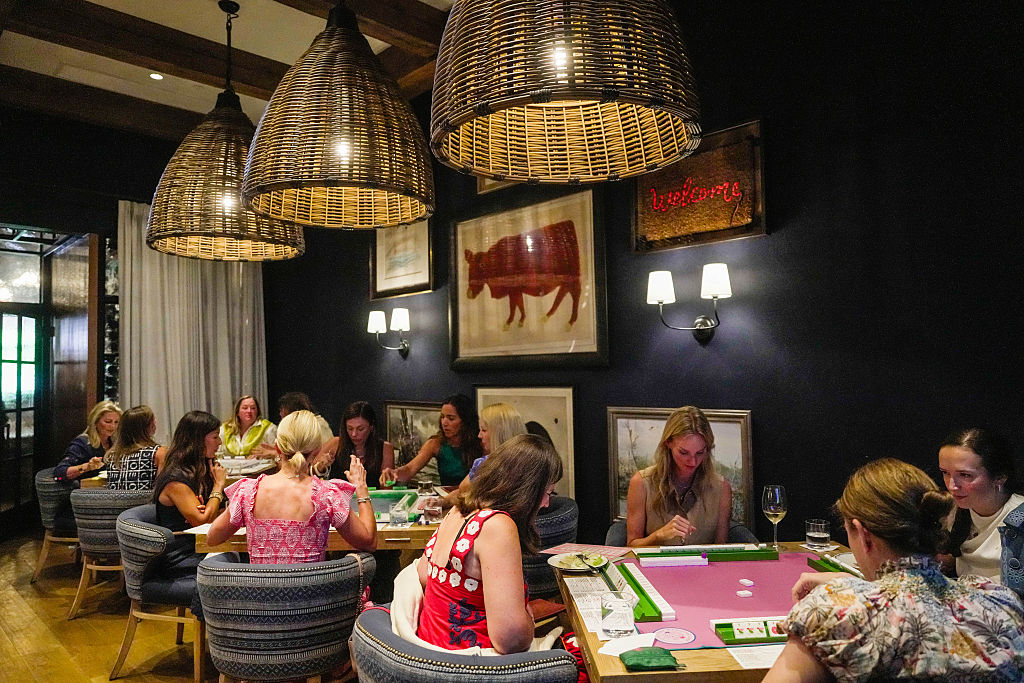
Mahjong is the ultimate screen-free social hobby
Clinical counsellor Niloufar Esmaeilpour, founder of Lotus Therapy, believes the social element is one of the biggest reasons Mahjong is proving so appealing.
“When you play Mahjong with others face-to-face, you have opportunities to talk, laugh, and feel connected to other people,” she explains.
“As people spend less time interacting with one another in person due to technology increasing how much time we spend on devices, this type of connection and community building is becoming increasingly important.”
There’s also something particularly tactile about Mahjong.
The physical act of picking up, sorting and placing the tiles, combined with sitting close to other players, provides a welcome break from our phones and the constant stream of notifications competing for our attention.
It gives your brain something to focus on
Mahjong isn’t just about socialising. There’s plenty going on mentally, too.
The game requires players to concentrate, recognise patterns, remember what has already been played and make decisions based on the tiles in front of them.
“The game requires focus and attention to detail, as well as remembering patterns and strategies, making it an engaging activity for your mind,” says Esmaeilpour.
That combination of concentration and challenge can also give players a sense of achievement as they become more skilled.
“There’s something enjoyable and emotionally fulfilling about the balance of skill, risk and reward involved in playing Mahjong,” she adds.
The result can be what psychologists describe as a ‘flow’ experience – when you become so absorbed in an activity that you temporarily lose awareness of everything else going on around you.
Why learning something new feels so good
Psychologist Dr Connie McReynolds, who you can find at conniemcreynolds.com, agrees that the combination of social connection and mental stimulation is a big part of Mahjong’s appeal.
“Mahjong is social, mentally engaging and, importantly, it gets us away from our screens, which I think is why it’s having a moment – one many people need right now,” she says.
Players have to notice patterns, remember which tiles have already been taken, make decisions and change their strategy as the game progresses.
But perhaps just as importantly, you’re learning something new.
“You do not have to be instantly good at Mahjong but as you start to understand the rules and notice the patterns you get a warm feeling of achievement in real time and in person,” says Dr McReynolds.
“I also think its popularity reflects a wider desire for hobbies that feel tactile, social and screen free.”
And that could be particularly appealing when so many of us spend our working lives staring at screens.
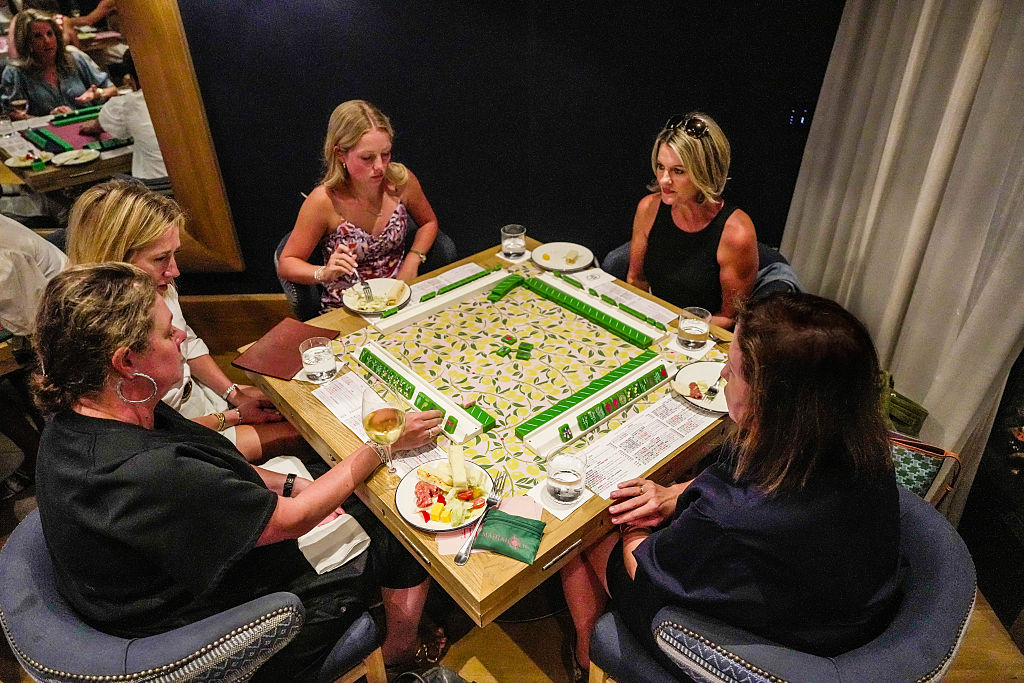
From Japan to a thriving London Mahjong club
For Kate Murphy, Mahjong became much more than a hobby.
Kate first discovered the game in 2007 while living as an expat in Japan. When she returned to London, she missed playing so much that she describes feeling a “void” in her life.
So she decided to do something about it – and launched her own Mahjong club.
The club now attracts hundreds of people to its weekly sessions and beginner classes. You can find out more via Kate’s Mahjong Club on Instagram.
“Mahjong is a game of strategy, skill and some luck,” says Kate. “It brings people together around the table to share conversation, laughter and friendly competition.”
For her, the benefits go well beyond the game itself.
“It provides social connection, the opportunity to get together on a regular basis, providing routine and an opportunity to get away from everyday worries and stress,” she says.
“It’s good for the brain, challenging your memory and keeps your mind sharp and engaged.”
So why is Mahjong suddenly everywhere?
Kate believes social media and celebrity interest have helped bring Mahjong to a much wider audience, while word of mouth has played a major role in the growth of her own club.
And unlike some hobbies, you don’t need to be naturally competitive or particularly sporty to get involved.
“Like bridge it’s a game for four players, but different in that each player in Mahjong is responsible for their own individual game, whereas bridge requires players to be paired up,” Kate explains.
There’s also the satisfaction of mastering a game that initially looks complicated.
“It’s an ancient Chinese tile game consisting of 144 tiles,” she says. “The objective is to be the first player to complete a winning Mahjong hand, consisting of 14 tiles.”
And when you finally do?
“The buzz the players get when they win is amazing.”
Mahjong explained: how does it actually work?
If, like me, you’ve looked at a Mahjong table and wondered what on earth is going on, the basic idea is actually fairly simple.
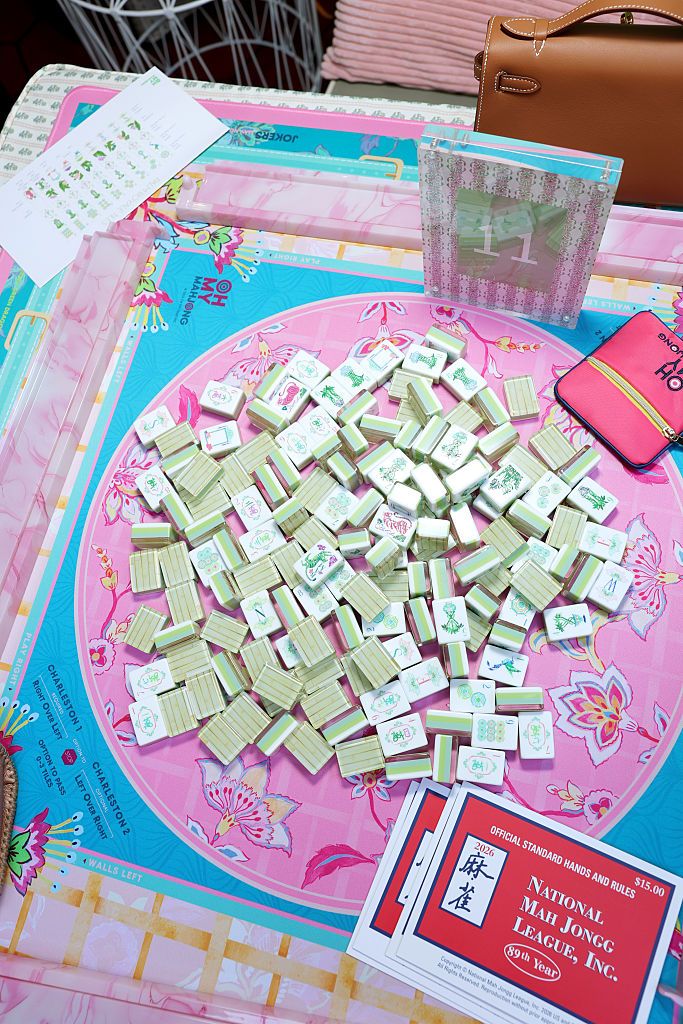
Four people play around a table using a set of 144 tiles. The tiles feature Chinese characters, circles, bamboo-style symbols and special pictures.
The tiles are mixed face down before being arranged into a wall in the middle of the table. Players then take turns taking tiles and discarding ones they don’t want.
The aim is to build combinations and eventually complete a winning hand.
You’ll need to pay attention not just to the tiles you’re collecting but also to what your opponents are throwing away, as their discards can give you clues about the hand they’re trying to build.
The first person to complete a winning hand calls “Mahjong!”
In simple terms, think: pick up a tile, discard a tile, build your hand, watch what everyone else is doing – and try to win first.
And judging by the growing number of people joining clubs and WhatsApp groups, once you start playing, it can be surprisingly difficult to stop.