“Will you come and play with me?” Why saying yes this half term could actually be good for your mental health
 Sally Saunders
From board games to Mario Kart, experts say taking a break to play with your children can reduce stress, boost connection and ease working-from-home guilt.
Half term has barely started and already you’ve probably heard it 50 times: “Will you come and play with me?”
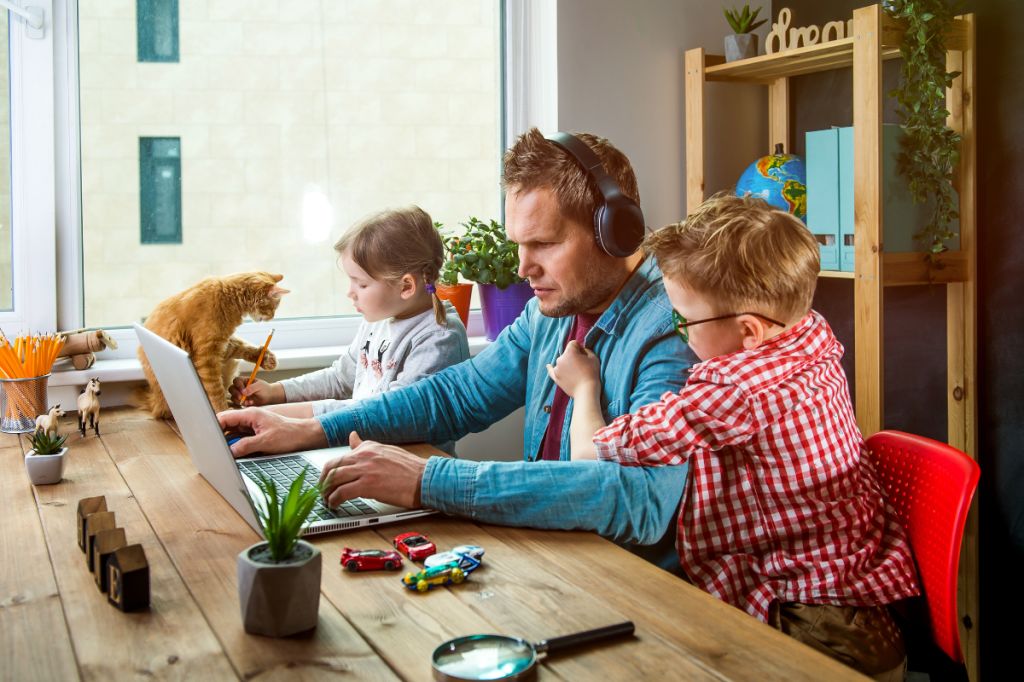
Usually at the exact moment you open your laptop, answer an email or finally sit down with a cup of tea. For parents working from home while the kids are off school, the juggle can feel relentless. You feel lucky to be wanted, but every “not now” comes with a side order of guilt.
The thing is, stopping for 20 minutes to play a game, build a den or do a puzzle together might actually be good for both of you.
Why games make us feel good
Play is often talked about as something children need, but adults need it too — especially when life feels stressful. And whether it’s a board game at the kitchen table, a quick card game before lunch or a family Mario Kart tournament after work, those moments can do more than just fill time.
According to Child and Educational Psychologist Dr Emily Crosby, games can have real emotional and cognitive benefits.
“Games can support feelings of achievement and reward as they have a fixed finishing point,” she explains.
That feeling of finishing something matters more than we probably realise. So much of parenting — and working life — feels never-ending. There’s always another email, another load of washing, another snack to make. Games give both adults and children something satisfying and complete. You finish the puzzle. Someone wins the game. You reach the end.
Strategy games and puzzles can also help children develop problem-solving skills, concentration and resilience. They learn to cope with losing, think differently and try again.
Games can also simply help us feel better. “Games can be good for those feeling stressed by helping the individual feel regulated,” says Dr Crosby. “They can be a good distraction task and help bring back balance into the player’s life.”
That probably explains why sitting down to play with your child can sometimes improve everyone’s mood almost instantly. For a short while, you stop thinking about deadlines and focus on something fun together instead.
And for children, that undivided attention matters. Even a quick game can make them feel seen and connected.
The surprising social benefits of gaming
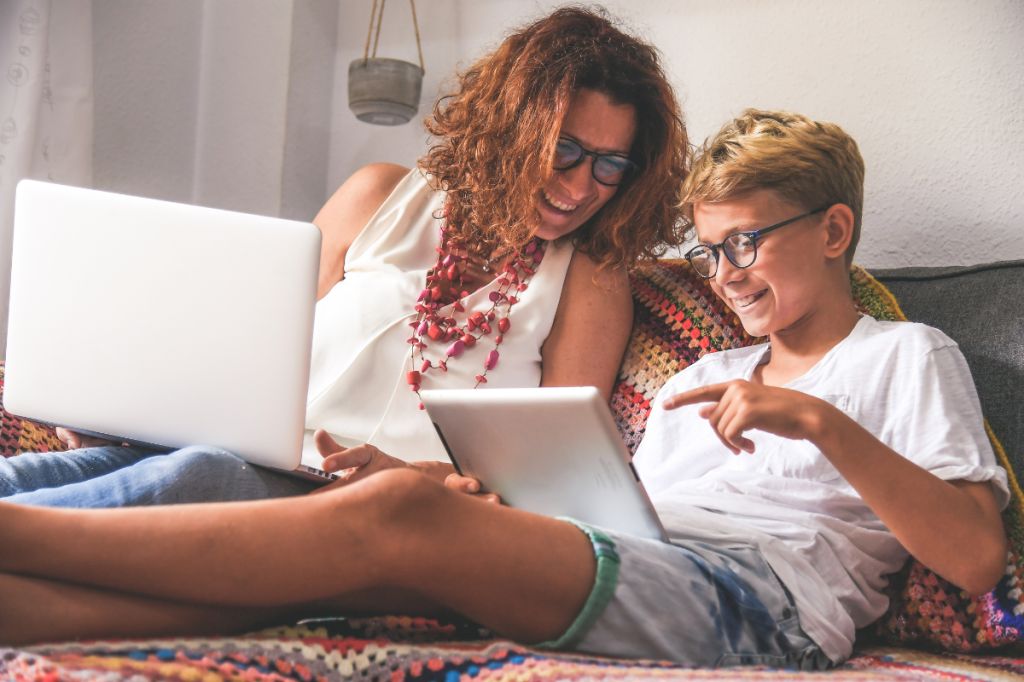
There’s also growing recognition that gaming, particularly online gaming, can have social benefits too. While screen time often gets a bad reputation, psychologists say it’s not always as simple as “gaming = bad”.
“Gaming can help people with anxiety and depression to seek connection and belonging with other gamers,” says Dr Crosby. “This is particularly helpful for those who struggle to connect in the offline world.”
For some children and teenagers, online games can provide friendships, routine and a sense of community.
“I have seen gaming communities be especially helpful for teenagers who struggle with social anxiety, leaving their homes and accessing schools due to fixed interests,” Dr Crosby explains. “This can provide those individuals with a sense of purpose and belonging with like-minded people.”
The risks of too much gaming
That doesn’t mean there aren’t downsides. Like most things, balance matters. “Video games offer the player’s brain reward-system dopamine, which helps them to feel good and accomplished,” says Dr Crosby. “However, this can pose risks due to being highly addictive whilst the player seeks constant feedback through that system.”
Too much gaming can affect sleep, schoolwork and relationships, particularly when children struggle to switch off from online worlds.
“Excessive gaming can become addictive and be hard for the gamer to withdraw from,” she says. “They can develop a false sense of reality too which can make it hard for the individual to function in the offline world.”
But most experts agree that games themselves are not the enemy. In moderation, they can be relaxing, social and genuinely beneficial for mental wellbeing.

Why we shouldn’t feel guilty about playing
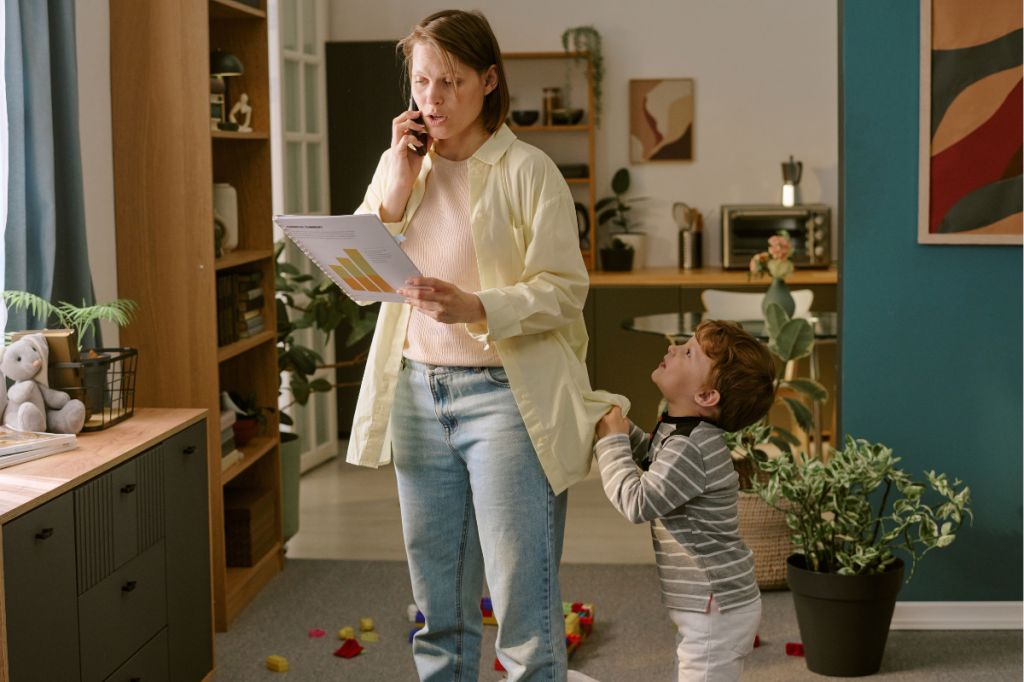
There is frequently a feeling as a parent — especially if you’re working from home — that you’re damned if you do, damned if you don’t. You feel guilty for working when you ‘should’ be with the kids, and guilty for being with the kids when you ‘should’ be working.
There’s one thing that’s worth remembering this half term. Not every request to play can be answered immediately. Sometimes work genuinely has to come first.
But we shouldn’t feel guilty for stepping away from our laptops for half an hour either.
Children rarely care whether you’re good at the game or whether the activity is elaborate. Mostly, they just want your attention.
So if you hear “Will you come and play with me?” again this week, maybe it’s worth saying yes — even briefly. The emails will still be there afterwards. The chance to be invited into their world quite so enthusiastically won’t last forever.
Words: Lucy Rawlinson, Images: Shutterstock