
BBC accused of enabling Russell Brand after he boasted bosses were ‘incredibly tolerant’ of his behaviour
The BBC has been accused of enabling Russell Brand's behaviour after the comedian boasted that his former boss was "incredibly tolerant" of his sexual conduct, prompting renewed questions about why complaints about the star were not acted upon
By 
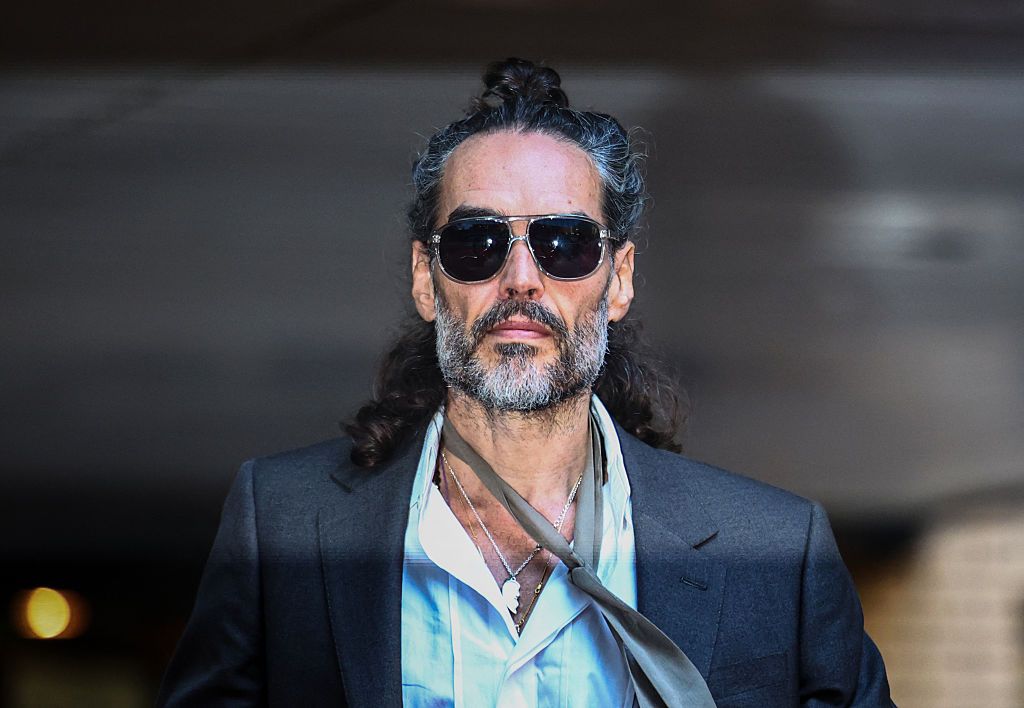
Pics: Getty Images
Brand was found guilty of rape and three counts of sexual assault following a trial at Southwark Crown Court. He faces a lengthy prison sentence when he is sentenced on Monday, November 9.
The verdicts have intensified scrutiny of the BBC’s handling of Brand during his time working for the corporation between 2006 and 2008, as well as the behaviour of executives who worked with him.
Veteran broadcaster Liz Kershaw, who worked at the BBC for more than 30 years, has called for those who enabled Brand’s behaviour to be held accountable.
Writing in The Telegraph, she said: “Maybe his enablers should finally have been brought to book. Media executives, comedy club promoters. His agent.”
She added: “After all, as Brand once said, ‘people will let you be a nutter as long as they are making money out of it’.”
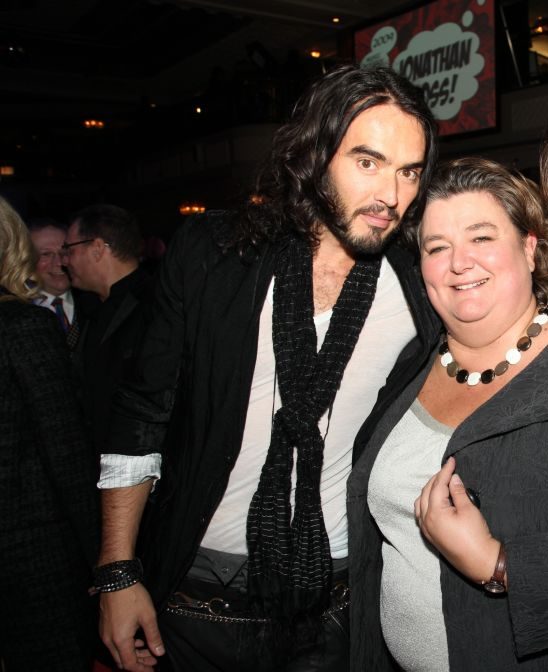
Brand boasted his BBC boss gave him ‘lots of room’
Questions have also resurfaced over Brand’s relationship with Lesley Douglas, his former boss and controller of BBC Radio 2 and 6 Music.
Brand previously claimed that Douglas was “incredibly tolerant” of his behaviour and had given him considerable freedom.
He reportedly boasted: “She loved me and gave me lots of room – so I took that room.”
Brand also claimed this freedom extended to using the BBC’s accessible toilets to have sex with radio competition winners.
The comments have fuelled criticism of the culture surrounding the comedian during his time at the corporation, with questions being raised about whether his celebrity status allowed him to behave in ways that would not have been tolerated from other employees.
Douglas has previously denied enabling Brand’s conduct. In a statement issued through a spokesperson, she said: “Ms Douglas did not at any time encourage, enable and/or fail herself to take any adequate steps within her power with regard to the conduct of Mr Brand of which she was aware.”
BBC apologises over past failings
The BBC has acknowledged that its handling of complaints about Brand fell short.
In January 2025, the corporation published a detailed report examining eight allegations of misconduct relating to the period between 2006 and 2008.
The report raised concerns about the way complaints were handled and the fact that some people felt unable to speak up about Brand’s behaviour.
Following the guilty verdicts, a BBC spokesperson said: “Firstly, the thoughts of everyone at the BBC are with the brave women who came forward and told their stories which led to a conviction in this case.
“There can be no place for the abuse of power. Across the industry, we must work together to ensure that anyone who suffers at someone else’s hand feels able to report it, that their concerns are taken seriously and that they are listened to.”
The spokesperson added that the corporation was concerned that some people had felt unable to raise concerns about Brand’s behaviour.
“We apologised to those impacted, for both the culture and failings at the time, and we reiterate that apology again today.”
The BBC is not the only broadcaster facing renewed questions. Channel 4 and MTV have also come under scrutiny over their historic relationships with Brand and how concerns about his conduct were handled.
Brand faces further police investigations
The conviction has also raised the possibility of further criminal proceedings.
Police are continuing to investigate two additional allegations against Brand, with prosecutors reviewing whether further charges should be brought.
Brand denied all the charges in the trial, maintaining that any sexual encounters were consensual.
The verdict has prompted wider questions about the entertainment industry’s treatment of powerful men, and whether warnings about inappropriate behaviour were ignored when the individuals involved were commercially valuable.


