Does your hobby still belong to you once you start selling it?
The cakes everyone requests, the jewellery friends admire, the photographs people say you should sell. Earning money from something you love can be rewarding, but how do you protect the pleasure that started it?
By 
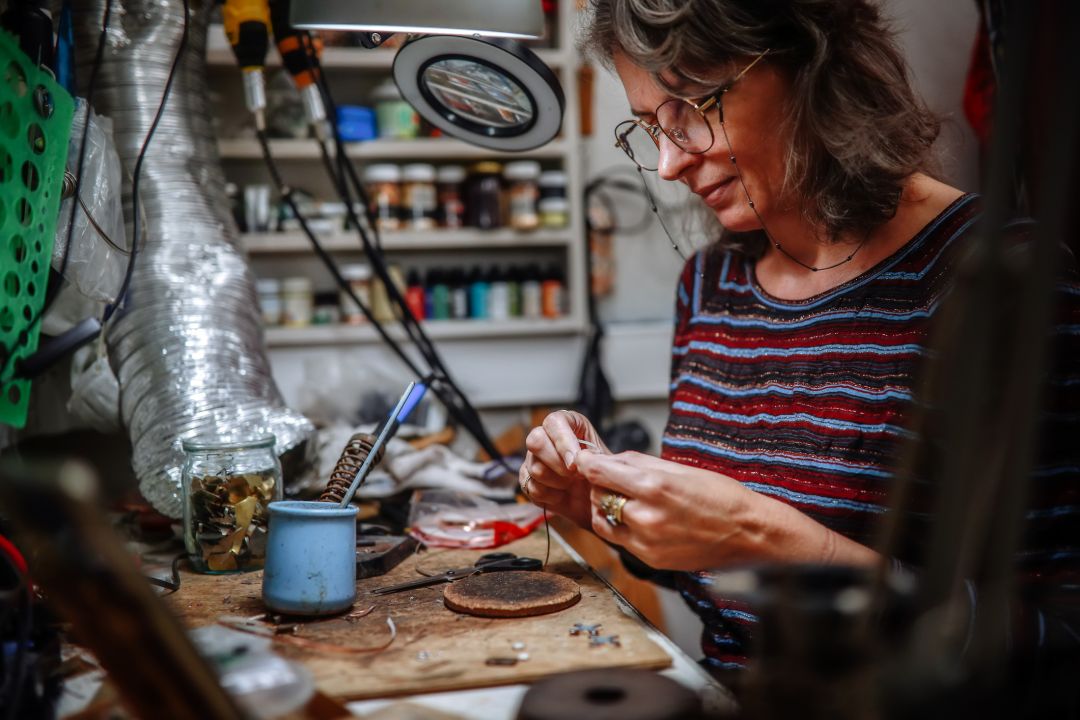
It begins with a compliment. Someone admires the jumper you knitted or asks where you bought the birthday cake you made. When you explain that it’s your own work, they say the words you’ve probably heard before: “You should sell these.”
Perhaps you do, a friend places an order, then recommends you to someone else. You set up a page, work out your prices and experience the particular satisfaction of being paid for something you once did purely for yourself.
Then, one evening, you sit down to make something and realise you would rather do almost anything else.
There are orders to finish, messages to answer and a customer who wants a slightly different shade of blue. The activity you used to turn to after a demanding day now comes with demands of its own.
That doesn’t necessarily mean selling was a mistake, but it may be time to consider what you want this part of your life to become.
Notice what has changed
There can be real pleasure in taking your hobby further. Payment might help cover materials, fund a course or give you the confidence to develop your skills. A customer’s enthusiasm can be encouraging, particularly when you’ve spent years quietly making things at the kitchen table.
Yet selling changes the arrangement, you have another person’s preferences to consider, along with a budget, a deadline and an expectation that you will deliver.
Think about what you originally enjoyed. Was it experimenting without knowing how something would turn out? Making gifts for particular people? Having an hour in which nobody needed anything from you?
Then look at how you spend that time now. If most of it goes on repeating a popular design, photographing products or packing parcels, you may be doing far less of the activity you actually loved. Naming that difference makes it easier to decide what needs adjusting.

Count the work around the work
A commission rarely consists only of making the thing, there is the conversation about colours, the trip to buy supplies, the packaging and the journey to the post office. An order that sounded manageable can spread across several evenings.
Before agreeing to more, look at the whole commitment. How much time does each sale take? What does it cost? What are you giving up to fit it in?
You might discover that you enjoy the business side as much as the creative work. You might also find that you’re charging too little or accepting deadlines that leave no room for the rest of your life.
Clearer prices, longer lead times and a smaller order book can make the arrangement more sustainable. You’re allowed to build something that fits the time you have available.
Keep some choices for yourself
If customers always choose the colour, size or subject, consider setting aside a little space where you decide.
That could mean keeping one evening free from commissions, making something you won’t photograph for your shop or trying a technique before deciding whether it has any commercial use.
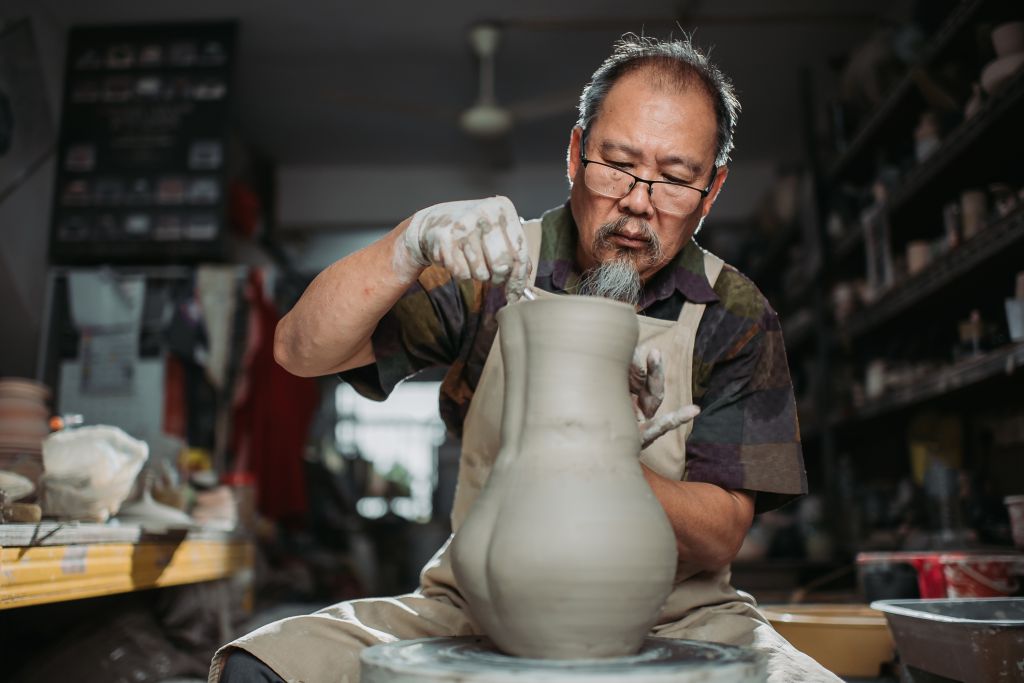
You could offer a limited collection rather than personalised orders, or sell only a few times a year. Perhaps you enjoy making pottery but dislike producing matching sets. Selling individual pieces might suit you better.
These decisions help establish what customers can expect while giving you room to explore. Every new skill or idea doesn’t have to become a product immediately.
Let praise be praise
When someone says you should sell your work, it can feel as though they’ve identified its natural next step. But a compliment doesn’t create an obligation.
You can enjoy being good at something without building a business around it. You can also sell occasionally without committing to growth, regular launches or a constant presence online.
If you’ve already begun, you’re still allowed to change the terms. You might stop taking commissions, pause orders over a busy period or finish your existing commitments and return to making gifts. A simple explanation is enough: you’re reducing orders to make room for other things.
Decide what you want next
Before abandoning the business entirely, ask whether you want to stop selling or simply stop selling in this particular way.
Fewer orders, different products or firmer boundaries may restore some enjoyment. Equally, you might feel relieved at the thought of closing the shop.
If the income matters to your household, give yourself time to work through the financial implications before making a change.
The next time you pick up your knitting needles, camera or mixing bowl, consider what you would choose to make if nobody were waiting for it. Your answer may help you decide how much room you want selling to occupy.