The psychology of holiday relaxation: why the sound of waves could be the stress-relief we all need
 Sally Saunders
New research reveals that natural sounds, seaside scents and sensory experiences could help calm the nervous system, reduce mental fatigue and make holidays feel more restorative.
Picture it: the gentle hush of waves rolling onto the shore, the rustle of leaves overhead, birdsong drifting through the trees. Before we’ve even unpacked our bags, many of us can feel our shoulders begin to drop.
In an increasingly noisy world of notifications, traffic and endless to-do lists, it’s perhaps no surprise that we’re seeking holidays that offer something simple yet powerful: a chance to truly switch off. New research suggests that for many Britons, holiday relaxation isn’t just the goal — it’s the feeling they’re actively searching for. And it turns out that nature may hold the key.

From the soothing rhythm of the sea to the nostalgic scent of sun cream and salty air, our senses play a bigger role in helping us unwind than we might realise. In fact, a growing fascination with nature-based ASMR, forest bathing and sensory travel experiences suggests we’re increasingly drawn to holidays that help calm both mind and body.
A new travel report has revealed that nearly three-quarters (69%) of British holidaygoers say the main feeling they want from a holiday is relaxation, while natural sounds, such as waves and rustling leaves, make a destination significantly more appealing.
Across the internet, nature ASMR is booming, with searches for “woodland sounds” and “sand ASMR” rising by 9,300% and 8,500% respectively over the past year. Meanwhile, social media trends are reflecting a wider appetite for nature-led wellbeing, with activities such as forest bathing generating more than one million posts.
With this in mind, holiday company Away Resorts commissioned its Holiday ASMR Report, surveying 3,000 people across 17 UK cities to uncover the sights, sounds and sensory experiences that help holidaymakers relax most — and why time spent in nature remains such a powerful antidote to everyday stress.
The most relaxing holiday sensations
A huge 85% of respondents said the sounds of the seaside help them disconnect from the stresses of everyday life, suggesting that what we hear on holiday may be just as important as where we go.
When it comes to the sounds people find most relaxing, water dominates. More than eight in 10 respondents said they find waves moving over pebbles relaxing, while the sounds of flowing rivers and streams, and waves crashing onto the shore, ranked almost as highly.
Unlike the jarring noises that punctuate our daily lives, natural sounds are repetitive, gentle, soothing and predictable. Rather than demanding our attention, they seem to invite us to let go of it.
That emotional impact is reflected in how people describe the sea itself. Four in 10 respondents said the sound of the ocean makes them feel peaceful, while others associated it with feelings of calm and happiness.

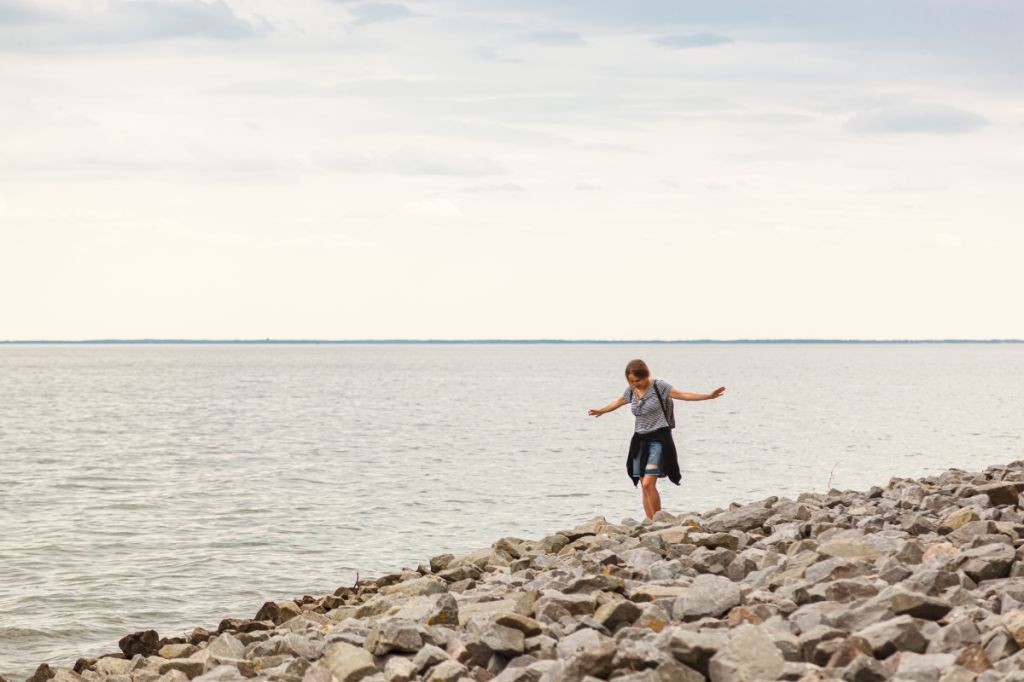
And it’s not only sound that helps us unwind. More than seven in 10 people said that walking barefoot on sand is a calming experience, highlighting the powerful role our senses play in helping us feel grounded and present.
For many of us, some of the strongest holiday memories aren’t visual at all.
The smell of sea air, sun cream, freshly cut grass or a barbecue drifting through warm evening air can instantly transport us back to another place and time. According to the report, sea air and saltwater topped the list of scents most likely to make people feel happy, followed by barbecues, meadow flowers and freshly cut grass.

Why nature helps the brain recover from stress
Away Resorts partnered with Chartered clinical psychologist Dr Kate Mason to understand the psychology behind these feelings. “One reason is that natural sensory input tends to be gentle, rhythmic and predictable,” she says.
“Think about sounds such as waves, wind in trees, or birdsong; these are processed by the brain as ‘non-threatening’ stimuli, which can help shift the nervous system away from the stress (or fight-flight) response and towards a calmer state often referred to as ‘rest and digest’.
“Natural environments also reduce what psychologists call cognitive load. Modern life bombards us with constant information: notifications, screens, traffic, and artificial lighting.
“Nature, by contrast, provides soft sensory engagement that allows the brain to rest and recover, which can improve mood and reduce mental fatigue.”
Maybe the real luxury of a holiday isn’t escaping to somewhere extraordinary at all. It’s finding a place where, for a little while, our minds can finally be quiet.
Words: Lucy Rawlinson, Images: Shutterstock