
The heartbreaking question betrayed partners can’t help but ask: “What was wrong with me?”
After an affair, the betrayed partner can end up questioning everything from their attractiveness to their judgement. But why does someone else's betrayal so often become a judgement on ourselves?
 Sally Saunders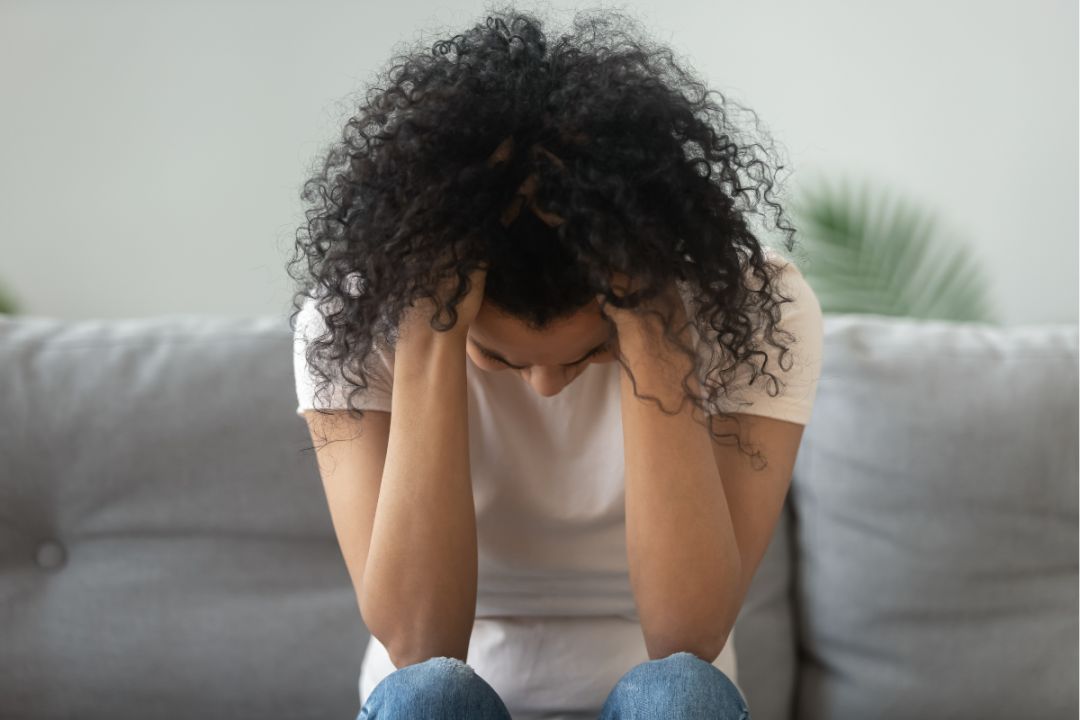
Why do people blame themselves after a partner has an affair? Betrayal can trigger painful questions about whether you were attractive enough, lovable enough or somehow responsible for what happened. Understanding why self-blame happens can be an important part of healing.
When you discover that your partner has had an affair, it’s natural to search for an explanation. But for many betrayed partners, that search quickly turns inward.
Was I not enough? Was something wrong with me? Why didn’t they choose me?
Dr Steven Mahan-Taylor, Consultant Clinical Psychologist at London Bridge Therapy, says these questions can become one of the most painful aspects of infidelity.
“Few experiences have the power to shake our sense of self quite like discovering an affair,” he says.
The betrayal doesn’t just challenge your trust in your partner. It can challenge your understanding of yourself, your relationship and even your ability to trust yourself.

Why does the blame turn inward?
When something feels incomprehensible, our minds naturally look for an explanation. “When trust is broken, our minds naturally search for explanations,” says Mahan-Taylor. “Unfortunately, we often turn those questions inward.”
It’s easy to start constructing a story in which the affair happened because you weren’t attractive enough, interesting enough, sexually available enough or attentive enough. That can feel particularly convincing if you already had doubts about yourself before the betrayal. But an affair isn’t a test that you failed.
“Why wasn’t I enough?”
The question of whether you were “enough” can become almost impossible to escape. You may compare yourself with the person your partner had the affair with, wondering what they had that you didn’t.
“People may begin comparing themselves to the person their partner had the affair with, criticising their appearance, personality, achievements or desirability,” says Mahan-Taylor.
The comparison can be relentless. You might scrutinise photographs, replay conversations or imagine what your partner found attractive about the other person. But comparison assumes there was a competition taking place – and that if you had somehow been better, the affair wouldn’t have happened. Human behaviour isn’t that simple.
An affair can disrupt your sense of identity
The damage isn’t necessarily limited to self-esteem. For many people, being in a committed relationship becomes part of how they understand themselves: as a wife, husband, partner or someone who is loved and trusted. When that relationship suddenly looks different, your sense of who you are can shift too.
“It’s not only the relationship they believed they had,” says Mahan-Taylor, “but also the certainty they once felt about themselves and the world around them.”
That can leave someone feeling strangely unanchored. The future they imagined may suddenly feel uncertain. The memories they trusted may be questioned. Even ordinary moments from the relationship can take on a new meaning.

“How did I not see it?”
Another painful form of self-blame is questioning your own judgement. If your partner was able to conceal an affair, you might wonder why you didn’t notice. Were there signs you missed? Did you ignore your instincts? Were you naïve?
“How did I not see this?” and “Can I ever trust myself again?” are questions Mahan-Taylor says he commonly hears.
This can be particularly difficult because rebuilding your confidence isn’t simply about learning to trust your partner again. It’s about learning to trust yourself.
Your partner’s behaviour isn’t a verdict on you
One of the most important psychological distinctions after betrayal is between someone’s behaviour and your own identity. Mahan-Taylor says people with a more secure sense of self may be better able to separate the two.
“While they are no less hurt by the betrayal, they are more likely to ask, ‘What was happening in our relationship?’ rather than, ‘What’s wrong with me?’”
That shift matters. It doesn’t mean ignoring problems within the relationship. It means recognising that there is a difference between examining what was happening between two people and deciding that one person’s behaviour proves something is wrong with you.
What if you weren’t perfect?
Perhaps one of the hardest truths to accept is that you don’t need to have been a perfect partner for the affair to be someone else’s choice.
You may have been distant at times. You may have argued. Your sex life may have been difficult. You may even have made mistakes within the relationship.
None of those things make you responsible for another person’s decision to be unfaithful.
Understanding the relationship’s difficulties can be valuable, particularly if a couple chooses to stay together. But that is different from taking ownership of the affair itself.
Rebuilding trust in yourself
Healing therefore isn’t only about deciding whether you can trust your partner again. It is also about reconnecting with your own identity.
Mahan-Taylor recommends reconnecting with “the parts of yourself that exist outside the relationship”.
That might mean spending time with friends, returning to interests you’ve neglected, doing things that make you feel capable or simply remembering qualities you valued in yourself before the affair happened.
“Self-esteem grows not from seeking constant reassurance from someone else, but from gradually rebuilding trust in your own judgement, values and resilience.” That can take time.
You may still have days when you compare yourself with the other person or wonder what you could have done differently. But those thoughts don’t have to become permanent conclusions about your worth.
The question to ask instead
“What was wrong with me?” is understandable. But it may not be the question that helps you heal. A more useful question might be: “What do I believe about myself now – and is it actually true?”
Your partner’s affair may tell you something important about their choices, their coping mechanisms or the relationship you shared.
It does not, by itself, tell you that you were unattractive, unlovable or inadequate.
And recovering from betrayal may ultimately mean learning to separate those two things: what someone chose to do, and who you are.
Words: Anne Fletcher, Images: Shutterstock