Inside Tupac Shakur’s murder trial: ‘All hell broke loose’ on night rapper was gunned down – but who killed him?
Nearly 30 years after Tupac Shakur was killed in Las Vegas, the only surviving suspect in his murder has finally gone on trial. Prosecutors claim Duane “Keffe D” Davis orchestrated the killing as revenge for an attack on his nephew
By 
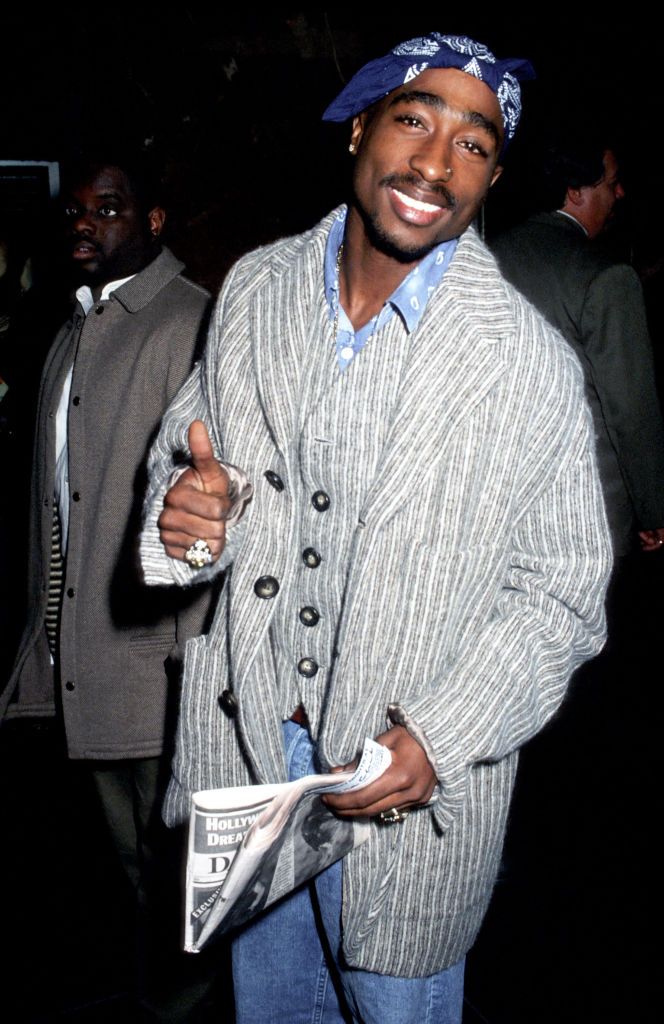
Nearly 30 years after Tupac Shakur was killed in Las Vegas, the only surviving suspect in his murder has finally gone on trial. Prosecutors claim Duane “Keffe D” Davis orchestrated the killing as revenge for an attack on his nephew – while his lawyers insist his years of explosive confessions were little more than lies designed to make him famous.
Pics: Getty Images
For almost three decades, the murder of Tupac Shakur has remained one of the biggest mysteries in music history.
Now, nearly 30 years after the legendary rapper was fatally shot in Las Vegas, a jury is finally hearing the case against the man prosecutors claim orchestrated his killing.
Duane “Keffe D” Davis, 63, is charged with murder with the use of a deadly weapon in connection with the drive-by shooting that ultimately killed the 25-year-old rapper.
Davis has pleaded not guilty and is not accused of firing the fatal shots himself.
Instead, prosecutors allege he helped mastermind the attack and provided the gun used to kill Tupac after the rapper and members of his entourage attacked Davis’s nephew, Orlando “Baby Lane” Anderson, inside the MGM Grand casino.
The defence tells a very different story, arguing that prosecutors have little physical evidence tying Davis to the killing and that their own client has spent years exaggerating and lying about his role in the murder.
The fight prosecutors say sparked Tupac’s murder
Tupac Shakur was in Las Vegas on September 7, 1996, to watch Mike Tyson fight Bruce Seldon at the MGM Grand.
After the fight, Tupac and members of his entourage became involved in a confrontation with Anderson, Davis’s nephew and an alleged member of the South Side Compton Crips.
Surveillance footage captured Tupac and others attacking Anderson inside the casino.
Prosecutors allege the beating provided the motive for what happened hours later.
Tupac subsequently left the MGM Grand in a black BMW driven by Death Row Records co-founder Marion “Suge” Knight.
Shortly before midnight, while the pair were stopped at a red light near the Las Vegas Strip, a white Cadillac pulled alongside them.
Gunfire erupted.
Tupac Shakur was struck four times while Knight suffered minor injuries.
The rapper was rushed to hospital but died six days later, on September 13, 1996.
His murder sent shockwaves through the music industry and sparked decades of speculation over who was responsible.
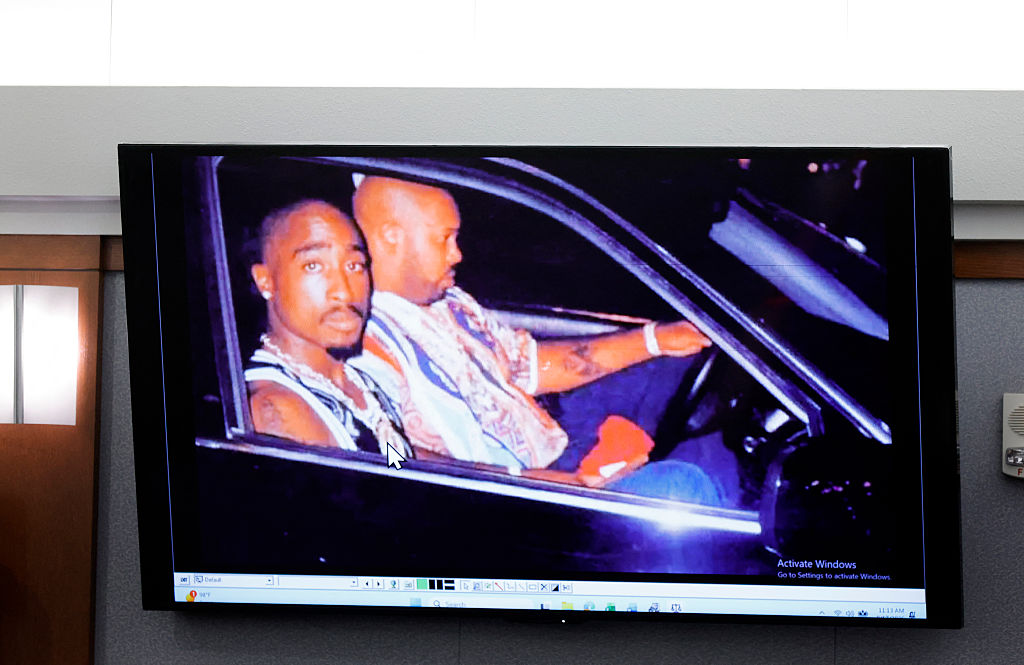
Prosecutors claim Davis wanted revenge
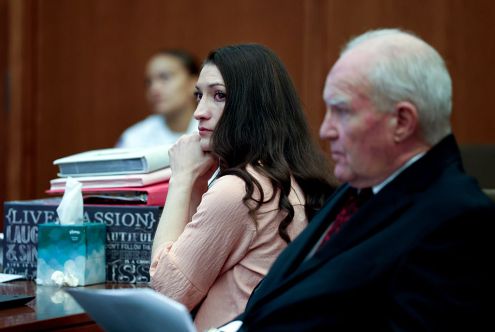
During opening statements, prosecutors laid out their theory that the shooting was an act of retaliation for the casino attack.
Chief Deputy District Attorney Marc DiGiacomo told jurors Davis had been in Las Vegas with three other men – Anderson, DeAndre “Dre” Smith and Terrence “T-Brown” Brown – and claimed the group went looking for Tupac and Knight after Anderson was beaten.
According to prosecutors, Davis obtained a gun and was inside the Cadillac when it pulled alongside Tupac’s BMW.
Davis is the only one of the four men who is still alive.
Prosecutors are expected to rely heavily on something unusual for a decades-old murder investigation: Davis’s own words.
.Chief Deputy District Attorney Binu Palal told jurors Davis held onto a visceral hatred for Shakur for decades that drove him to speak.
Over the years, Davis has spoken publicly about Tupac’s killing in interviews and discussed the events in his 2019 memoir, Compton Street Legend.
Prosecutors say those statements help place him at the heart of the plot.
He said as early as 1998, the defendant talked to the FBI and admitted he had been in Las Vegas the night of the shooting. He spoke again in 1999 to the FBI and said again he was in Las Vegas then but denied responsibility.
In 2009, he admitted to his role in the killing in an interview with Las Vegas police, Palal said.
However, Davis has since sought to distance himself from his previous claims.
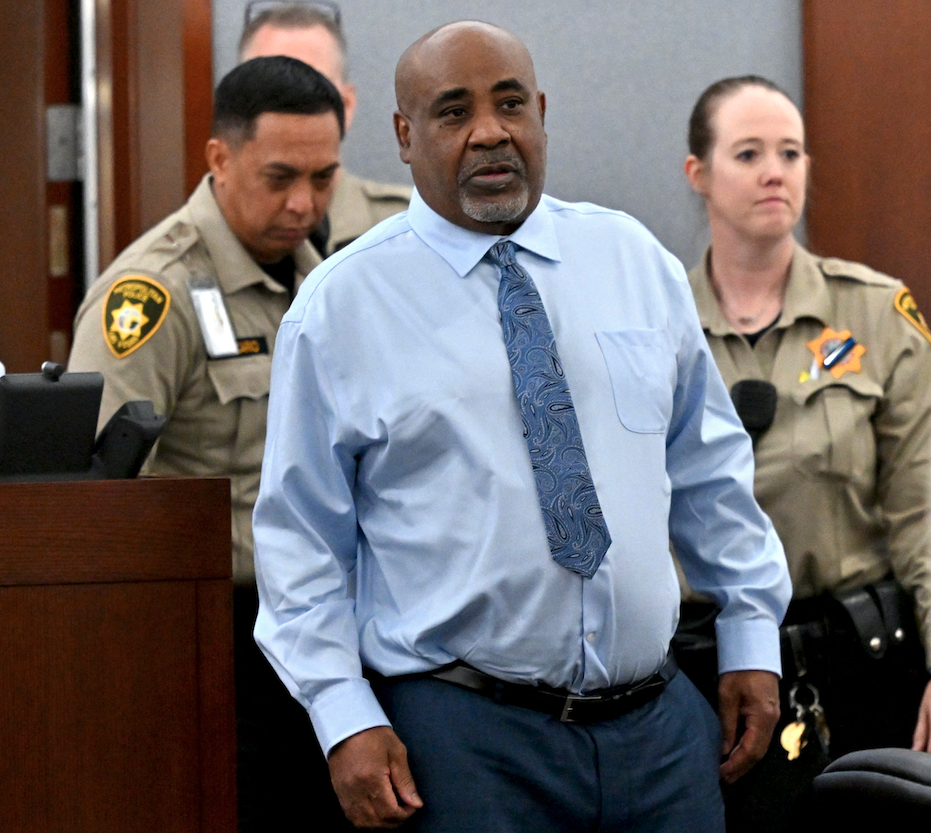
Defence says Davis was talking ‘bullshit’
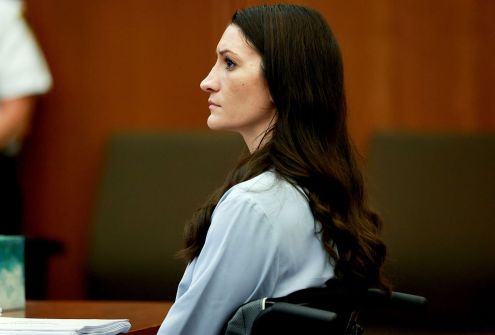
Davis’s lawyers are expected to attack the credibility of those statements and argue that he exaggerated his involvement to gain attention and make money.
Defence attorney Michael Sandt told jurors his client was known for talking “bullshit” and questioned why investigators had waited decades to prosecute him if his claims were so compelling.
The defence maintains there is no DNA, fingerprint evidence or murder weapon connecting Davis to the killing.
Sandt also argued that Davis’s public accounts of the shooting should not be treated as reliable admissions.
The defence case effectively asks jurors to decide whether Davis’s own words amount to evidence of murder – or the boasts of a man seeking notoriety from one of the world’s most infamous unsolved crimes.
Davis himself has previously described some of the stories surrounding the killing as entertainment.
Why wasn’t anyone charged for nearly 30 years?
For decades, nobody was prosecuted over Tupac’s death.
Anderson was repeatedly linked to the killing but denied involvement. He was killed in an unrelated shooting in Compton in 1998.
The investigation eventually gained new momentum partly because Davis continued speaking publicly about what happened.
A major breakthrough came in July 2023 when Las Vegas police searched a home in Henderson, Nevada, belonging to Davis’s wife.
Two months later, Davis was arrested.
His indictment marked the first time anyone had been charged in connection with Tupac’s murder.
At the time, Las Vegas Metropolitan Police homicide lieutenant Jason Johansson said Davis’s own comments had “reinvigorated” the investigation.
The horrific injuries that killed Tupac
Jurors have also begun hearing details of the devastating injuries Tupac suffered.
Forensic pathologist Dr Lisa Gavin testified about the rapper’s gunshot wounds and confirmed his death was a homicide.
Some members of Tupac’s family chose to leave the courtroom before autopsy photographs were shown, while others remained.
Tupac suffered multiple gunshot wounds, including serious injuries to his chest and abdomen. One bullet damaged his lung while another injured his intestines.
His cousin Zayd Akinyela was among the relatives who remained in court, saying confronting the evidence was part of the family’s long search for answers.
Witnesses reluctant to revisit violent past
The extraordinary age of the case presents another major challenge for prosecutors.
Many potential witnesses are dead, while others have shown little enthusiasm for helping authorities.
James “Mob James” McDonald, a former gang member and Death Row Records associate, was declared a hostile witness after making clear in court that he did not want to help send Davis to prison.
His tense testimony illustrated one of the problems investigators have faced for decades: persuading people connected to the gang world surrounding the killing to talk openly about what happened.
The trial could last several weeks and potentially involve dozens of witnesses.
A murder mystery that has lasted three decades
Tupac was just 25 when he died, but his influence on hip-hop has endured for decades.
The rapper behind songs including California Love, Changes and Dear Mama has sold millions of records worldwide and was inducted into the Rock & Roll Hall of Fame in 2017.
His murder also became the subject of books, documentaries, conspiracy theories and countless investigations.
Now jurors must decide whether the man who spent years publicly discussing one of music’s greatest murder mysteries was telling the truth about his involvement – or, as his own lawyers argue, simply telling stories.
Davis faces the possibility of life in prison if convicted.
Nearly three decades after Tupac’s death, the trial could finally provide the rapper’s family and millions of fans with something they have waited years for: a legal verdict on who was responsible for his killing.