Are women ‘losing’ themselves in midlife – or are they finally connecting with who they truly are?
Feeling like you're losing yourself in midlife might be the beginning of remembering who you are - beyond the roles and responsibilities that have defined you for so long.
By 

Midlife can bring a whole tidal wave of physical, mental and emotional change – and this shift can leave many women feeling lost within the life they have built. But feeling like you are losing yourself might actually be a sign that you’re finally ready to connect with who you truly are.
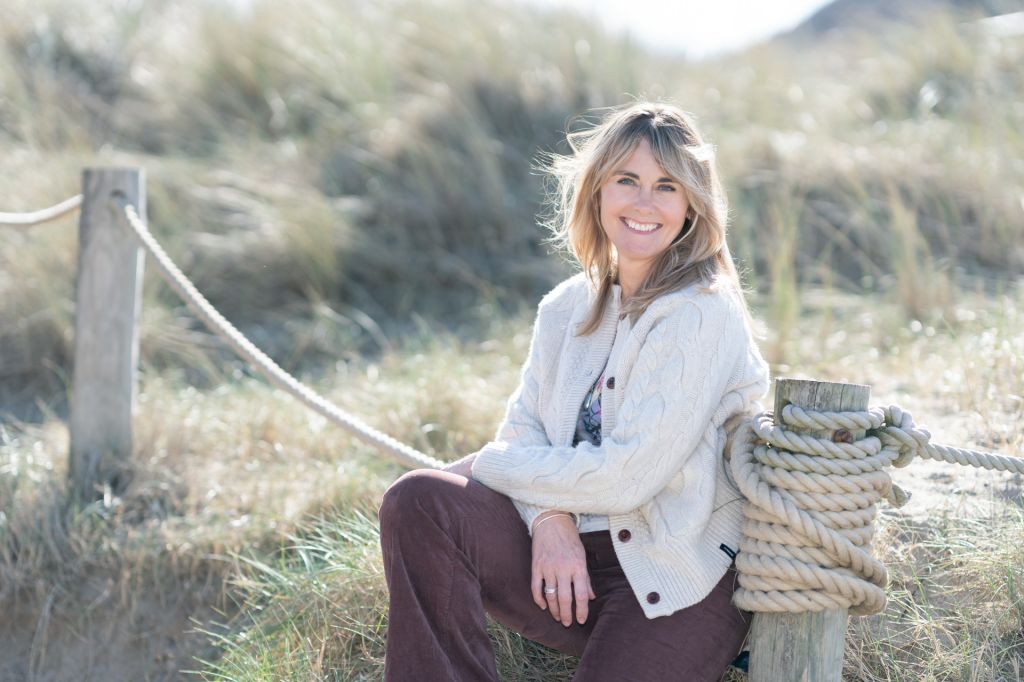
‘I like to challenge the idea that women “lose themselves” in midlife,’ explains Moya Slade, intuitive coach, mentor and founder of The Nest. ‘I don’t believe women lose themselves at all – I believe many women simply reach a point where they can no longer ignore themselves.’
‘For years, they’ve been busy building careers, raising children, caring for parents, supporting partners, running businesses, leading teams and holding everything together,’ she adds. ‘Competence becomes second nature. Being busy is often worn as a badge of honour. Women are praised for their capability, for how much they can provide and do.’
But this constant need to be competent can begin to wear thin – and it’s often during midlife that women start to feel a shift. ‘From the outside they appear successful, capable and in control. Yet internally many begin to feel flat, exhausted, restless and disconnected,’ Moya explains. ‘Not because anything is wrong with them, but because they’ve spent so long focusing on everyone and everything around them that they’ve stopped listening to themselves.’
Remembering your true self
For many women, midlife is the first time since childhood they begin to remember and reconnect with their own needs. ‘Many women have been living from the neck up for years: thinking, doing, managing, planning, achieving,’ Moya explains. ‘Midlife often becomes the first time they start hearing the quieter questions waiting underneath the noise: “Is this really how I want to live?”, “What do I want now?”, “What’s next for me?”, “Why doesn’t this feel as fulfilling as I thought it would?”.’
While you might feel like you’re losing yourself, Moya reframes this as the beginning of remembering yourself. ‘Before the conditioning, expectations and responsibilities, we all knew what brought us joy, what made us feel alive and what mattered most to us,’ she explains. ‘Midlife can be an invitation to reconnect with those forgotten parts of yourself.’
Why you might be feeling ‘lost’ in midlife
1. The roles that once defined you begin to shift
‘Many women arrive in midlife having spent decades identifying themselves through the roles they are playing: mother, partner, carer, leader, business owner, employee, daughter,’ Moya explains.
‘As children grow up, careers evolve, relationships change and we find ourselves supporting ageing parents, many of the roles that once defined us begin to shift,’ she adds. ‘For the first time in years there is space for questions that previously didn’t have room to emerge. Without the constant demands of earlier life stages, women often find themselves asking who they are beyond what they do for others.’
2. Success stops feeling enough
‘Many women aren’t struggling because they’ve failed,’ explains Moya. ‘They’re struggling because they’ve achieved what they thought they wanted and are surprised to find it doesn’t feel quite as fulfilling as they expected.’
‘This isn’t about being ungrateful,’ Moya is quick to add. ‘It’s about recognising that achievement and fulfilment aren’t always the same thing. Midlife often brings a deeper longing for meaning, connection, purpose and aliveness. Women begin to realise that success on paper doesn’t automatically translate into feeling nourished, connected or fulfilled.’
Many women also worry they’ve lost their drive, but Moya doesn’t believe that’s true. ‘I think ambition evolves,’ she explains. ‘In our twenties and thirties, ambition is often focused externally: achievement, promotion, recognition, growth and success. But in midlife, success is no longer measured purely by what a woman achieves, and many women begin asking different questions: How do I want to live? What kind of life am I creating? What matters most now? This isn’t the loss of ambition. It’s the expansion of it.’
3. Chronic over-functioning becomes normal
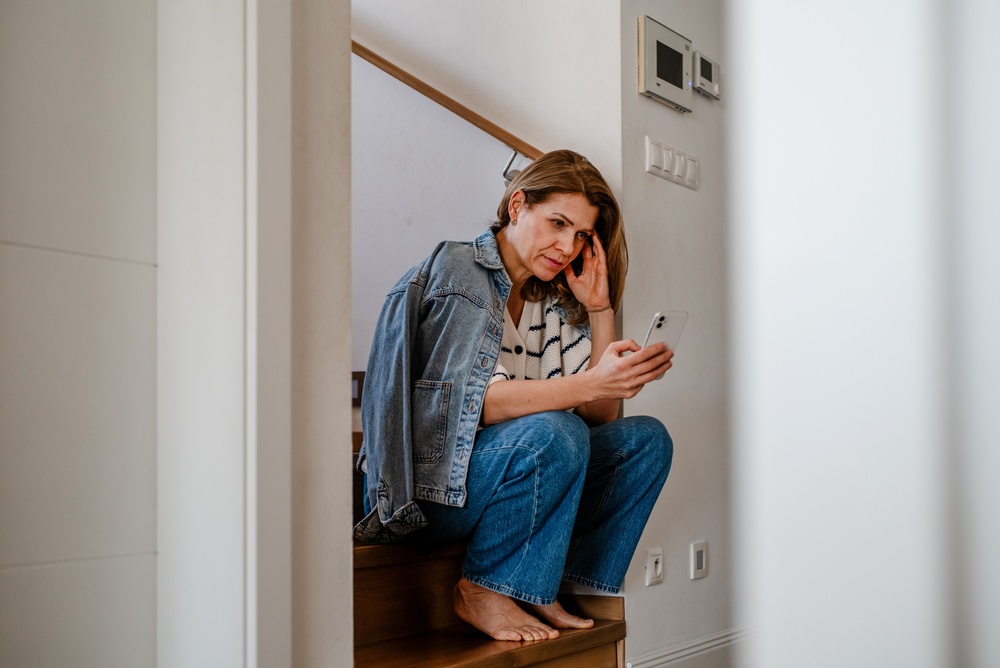
‘One of the biggest patterns I see is women who have become incredibly good at carrying things,’ says Moya. ‘Not just practical responsibilities, but emotional labour too. They anticipate everyone’s needs, make sure everyone else is okay, hold family dynamics together, support friends and colleagues, remember birthdays, manage the logistics and keep life moving.’
‘Eventually,’ she continues, ‘this level of responsibility creates a subtle form of self-abandonment. Women become so focused on everyone else that they stop asking themselves what they need. Many women don’t even realise they’re doing it because it’s becomes so normal. But over time, this creates a growing sense of disconnection from themselves, their bodies, their desires and what truly matters to them.’
4. Your nervous system has been in survival mode for years
‘Many women have spent decades living in a state of constant responsibility,’ explains Moya. ‘When you’ve spent years doing, fixing, managing and anticipating, your nervous system adapts accordingly. The body becomes accustomed to busyness and hyper-vigilance. Rest doesn’t automatically feel restful and slowing down doesn’t automatically feel safe. In fact, it can feel quite scary and completely alien.’
‘Many women tell me they long for rest but struggle to access it because their bodies no longer feel comfortable being still,’ she continues. ‘Learning how to feel safe enough to soften again is often a crucial part of the midlife journey.
According to Moya, one of the biggest misconceptions is that this is something women must figure out alone. ‘In reality, our nervous systems are designed for connection,’ she explains. ‘We regulate through relationships, through feeling seen, heard and understood by people we trust.’
‘Many women have spent years trying to carry everything themselves, believing independence is strength,’ she adds. ‘Yet often the healing begins when they allow themselves to be supported. We were never meant to do life alone.’
Your midlife invitation
If you’re automatically viewing midlife as a time of crisis, it might be time to reframe it as an invitation to delve deeper into who you are. ‘What many women call losing themselves in midlife is often the beginning of finding themselves again. Beneath the exhaustion, the restlessness and the questioning is usually a quieter truth: the woman you’ve always been is asking for more space, more honesty, more connection and more life.’
‘Midlife isn’t asking women to become someone new,’ she adds. ‘It’s inviting them to listen more deeply to who they already are. The challenge isn’t hearing the whisper. The challenge is trusting it.’
Moya Slade is a coach, mentor and founder of The Nest in Cornwall. Through coaching, bespoke 1:1 retreats and community spaces, she specialises in supporting women through the often-unspoken transitions of midlife. Find out more at thenestlife.co.uk.