Nutritionist’s top tips for neurodivergent women – including the foods to avoid and supplements to try
These are the top foods, nutrients and supplements neurodivergent women should be focusing on to feel their best.
By 
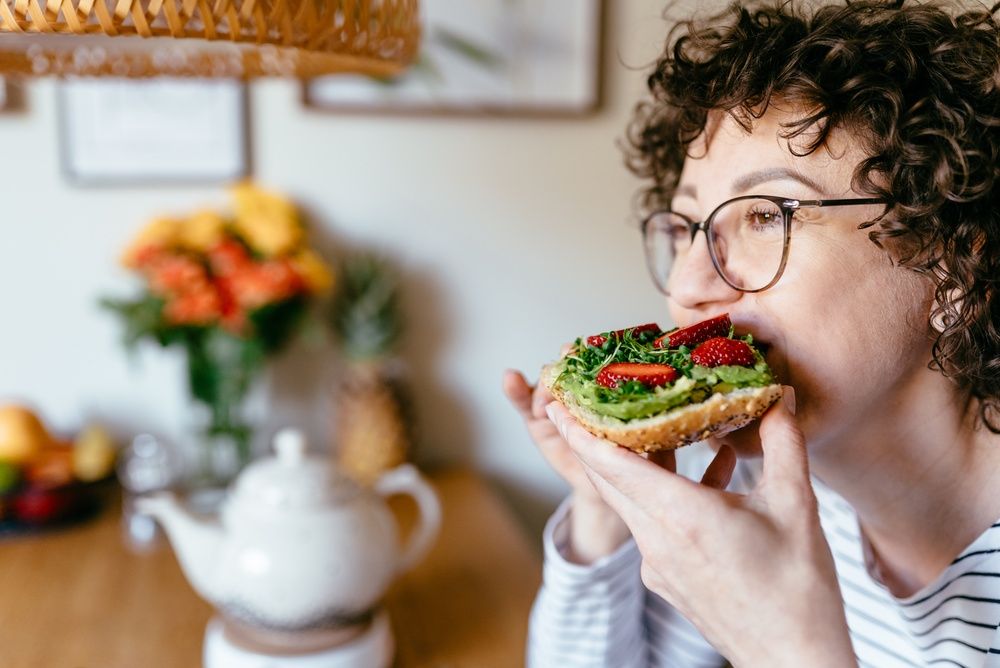
Learn how to fuel your mind and body optimally with these top nutrition tips for neurodivergent women.
Everyone is impacted by the food and drink they consume. But according to a leading nutritionist, women with ADHD and autism might be more likely to feel the effects of some diet choices – as well as potentially being more prone to developing certain deficiencies, dependencies and eating disorders.
Registered nutritional therapist and nutrigenomics expert Sandrine Olmi specialises in offering nutritional support to families with neurodivergent children and midlife women going through the menopause. We caught up with her to discover which nutrients neurodivergent women should be focusing on, before taking a closer look at why individuals with ADHD and autism might be more likely to develop difficult relationships with food and drink.
6 vital nutrients for neurodivergent women
1. Protein
Firstly, Sandrine stresses the importance of getting enough protein in your diet – found in meat, fish, dairy, lentils, nuts and beans, as well as protein powders and supplements. ‘Dietary protein provides the essential amino acids required to synthesise neurotransmitters, which are crucial for regulating mood, cognition, sleep and neural development,’ she explains.
2. Omega 3 fatty acids
It’s also vital to support your cognitive health with omega-3s, found in oily fish, seeds and supplements. ‘There is plenty of research highlighting the importance of omega-3 fatty acids,’ Sandrine explains. ‘Namely, they can help to improve emotional regulation, attention and memory.’
3. B vitamins
Next, Sandrine recommends taking a closer look at your B vitamin intake. ‘I always recommend a B complex supplement to cover all the B vitamins, as they are so crucial for mental health,’ she explains. ‘Adequate intake of vitamin B12 is crucial for neuroprotective properties and for cognitive function improvement. It’s often low in individuals with autism, due to dietary habits or metabolic differences.’
‘Vitamin B6 contributes to the production of neurotransmitters (serotonin and dopamine) and glutathione, the master antioxidant in the body,’ she continues. ‘It aids in the synthesis and conversion of amino acids and neurotransmitters, and deficiency can cause irritability.’
‘Choline is also an essential vitamin that we don’t talk about a lot,’ Sandrine adds. ‘It is part of the B vitamin family and is essential for brain health. Folate (vitamin B9) deficiency can also cause behaviour changes and cognitive impairment.’
4. Magnesium
Another important nutrient is magnesium, which is found in dark leafy greens, nuts and seeds – as well as supplements and topical products. ‘Magnesium is a critical mineral for brain health, primarily because it regulates neurotransmitter release, stabilises cell membranes and protects against nervous system overstimulation,’ Sandrine explains.
5. Iron
According to research, women who are neurodivergent might be more at risk of developing an iron deficiency. ‘Iron is often low in neurodivergent women,’ Sandrine tells us. ‘Research has shown an apparent relationship between those with symptoms reported in ADHD, heavy menstrual bleeding and iron deficiency.’
6. Zinc
Lastly, Sandrine recommends checking your zinc levels – particularly if you struggle with inattentiveness. ‘Zinc is also worth looking into, as it acts as a cofactor for neurotransmitter synthesis and dopamine regulation,’ she recommends. ‘For women who frequently present with predominantly inattentive symptoms, low zinc can exacerbate focus issues, emotional dysregulation, sleep disturbances and hyperactivity.’
Which foods should neurodivergent women avoid?
‘When it comes to the foods you should be avoiding, it will very much be a personalised approach,’ explains Sandrine. ‘But everyone should limit their consumption of highly processed and sugary foods, as these can cause inflammation and exacerbate any health conditions.’
‘If you experience mood issues,’ she continues, ‘it is particularly important to focus on real, nutritious food to support the brain. Processed snacks and foods containing artificial dyes, flavours, preservatives and monosodium glutamate (MSG) should be limited.’

Should neurodivergent women cut out gluten and dairy?
‘It is very common for neurodivergent individuals to experience digestive discomfort such as bloating, acid reflux and constipation,’ explains Sandrine. ‘Add the hormonal dance every month on top of that, and you may find that gluten and dairy exacerbate those digestive symptoms.’
However, Sandrine emphasises that cutting out these food groups should only ever be done if necessary and beneficial for you as an individual, and that there is no conclusive evidence it will be beneficial for all. ‘Unless there is a clear reason to avoid these, such as a diagnosed intolerance or allergy, high quality wholegrains and dairy can be very beneficial for people with neurodivergent conditions – especially if the diet is already limited due to other food hypersensitivities.’
Are neurodivergent women more likely to develop eating disorders?
Research has shown that neurodivergent individuals might struggle more to develop healthy relationships with food, which can lead to higher cases of eating disorders in those with ADHD and autism. And according to Sandrine, there could be a few different factors at play.
The first potential reason stems from women commonly experiencing late diagnoses. ‘Neurodiversity in women is often misdiagnosed as anxiety, depression or just as being sensitive,’ she explains. ‘If ADHD and autism are not identified early, it can lead to years of self-blame, shame and low self-esteem. Chronic stress from unmet needs and unsupported struggles can then lead to overeating and poor relationships with foods over time.’
Another reason could come down to the sensory element of eating. ‘Some women might be sensitive to smells, sights and sound at mealtimes. This can impact the way they eat,’ Sandrine explains. ‘Also, remembering to eat can be a challenge for some, which can lead to nutrient deficiencies over time.’
The link between neurodiversity and alcohol use
According to Sandrine, many neurodivergent women feel the need to regularly use alcohol or substances as a coping mechanism – which can end up leading to long-term health problems. ‘Many autistic women may use alcohol to cope with social anxiety and the exhaustion of “masking” neurodivergent traits in a neurotypical world,’ she explains.
‘However, this increases the risk of alcohol dependence,’ she adds. ‘And researchers estimate that up to one in three autistic adults (men and women) struggles with a substance use disorder or alcohol use disorder.’
If you’re feeling worried about your eating or drinking habits, support is available. Visit the NHS website or beateatingdisorders.co.uk for more information.