Was Mackenzie Shirilla’s 100mph crash a drug-fueled car accident or cold-blooded murder?
The Netflix documentary revisits the devastating crash that killed two teenagers — and the unanswered questions surrounding what happened that morning
By 
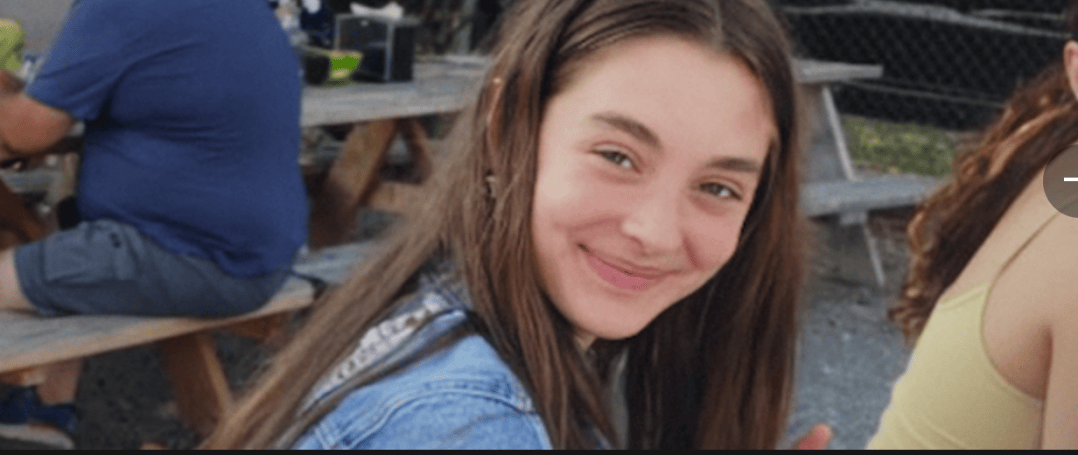
Pics: Courtesy of Netflix
At around 5.30am on July 31, 2022, Mackenzie Shirilla was driving a Toyota Camry through Strongsville, Ohio, when the car smashed head-on into a brick commercial building at almost 100mph.
Inside the car were Shirilla, her boyfriend Dominic Russo, 19, and their friend Davion Flanagan, 20.
Russo and Flanagan died at the scene. Shirilla, then 17, survived the horrific collision with serious injuries.
Three years later, the case is back in the spotlight thanks to Netflix’s true-crime documentary The Crash, which features Shirilla speaking on camera about the incident for the first time.
But the central question remains as divisive as ever: was the teenager responsible for a devastating accident she cannot remember — or did she deliberately drive into the building in an attempt to kill her boyfriend?
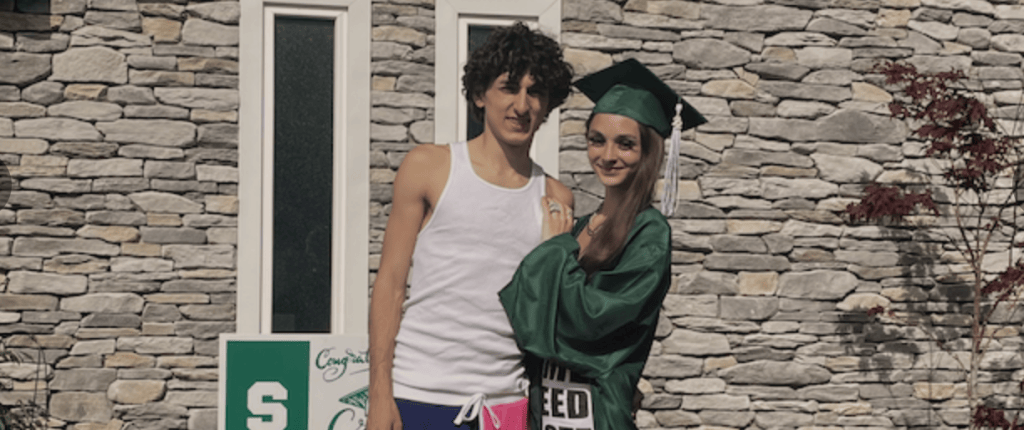
The prosecution’s case against Mackenzie Shirilla
Shirilla was ultimately convicted of murdering both Russo and Flanagan and sentenced to two concurrent terms of 15 years to life in prison. Her conviction was upheld on appeal in 2024, and her first parole hearing is currently scheduled for 2037.
Prosecutors argued that the crash was deliberate and that the breakdown of Shirilla’s relationship with Russo provided the motive.
The couple had been together for around four years, although they had broken up and reconciled several times. Friends and relatives testified that their relationship had become increasingly troubled in the months before the crash.
Two weeks before the fatal collision, Russo and Shirilla reportedly had another argument.
According to testimony, Russo called his mother and asked her to pick him up. A friend who was present said he heard Shirilla threaten: “I will crash this car right now.”
The same witness later said he saw Shirilla strike Russo with both hands before Russo left the vehicle.
During another argument that month, Russo reportedly recorded Shirilla threatening him and damaging his property.
For prosecutors, those incidents helped establish a picture of a volatile relationship and a possible motive.
The car never braked
One of the most significant pieces of evidence was what happened in the seconds before the crash.
A forensic analysis found that Shirilla’s foot was fully depressing the accelerator while the brake was not being used. The car travelled at close to 100mph before hitting the building.
There was also evidence concerning Shirilla’s movements in the days before the crash.
According to court documents, GPS data from her phone placed her in the area of the eventual crash site on July 28 — just three days before the fatal collision.
Prosecutors described this as a possible “dry run”, arguing that Shirilla may have been familiarising herself with the route.
However, the GPS evidence was not precise enough to establish exactly where she was. A detective acknowledged in court that cellphone GPS data is approximate.
The road was also described by one officer as a known cut-through used by drivers to avoid traffic, meaning there was another possible explanation for why Shirilla had been in the area.
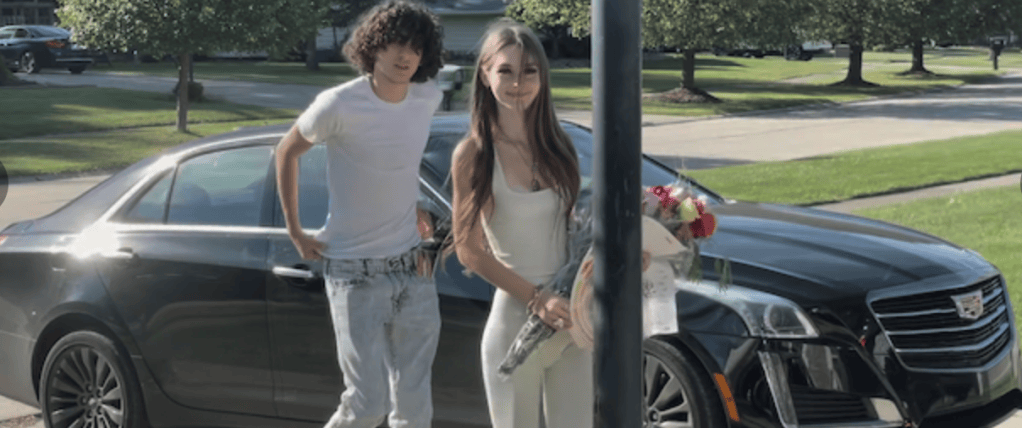
Shirilla says she doesn’t remember the crash
Shirilla has consistently denied intentionally killing Russo and Flanagan.
In The Crash, she says she has no recollection of the morning of the crash and insists that deliberately killing the people in the car was not in her character.
“I have no recollection of that morning, but I know nothing about it was intentional, because that’s not in my character,” she says in the documentary.
Her family and defence team have argued that she may have suffered a medical episode.
Shirilla had reportedly been diagnosed with postural orthostatic tachycardia syndrome, or POTS, a condition that can cause symptoms including dizziness, an increased heart rate and fainting.
Her parents later said neurologist Dr Kamal Chemali had reviewed evidence that they believed was consistent with a loss of consciousness.
Shirilla herself has suggested that a medical emergency may have caused the crash, although she acknowledges that she cannot explain how she could have maintained control of the vehicle before the impact.
Was drugs or alcohol involved?
The circumstances surrounding drugs have also fuelled questions about what happened that morning.
Investigators found bags containing marijuana and psilocybin mushrooms in the vehicle. Toxicology testing found that Russo and Flanagan had marijuana in their systems when they died.
But Shirilla’s own blood alcohol test did not show that she was under the influence of alcohol at the time of the crash.
That distinction is important because the evidence does not establish that Shirilla was intoxicated by drugs or alcohol when she drove into the building.
The circumstances have nevertheless become part of the wider debate surrounding the crash and the documentary’s portrayal of what happened.
A disturbing moment in hospital
One of the details highlighted by Entertainment Weekly but not included in The Crash concerns Shirilla’s behaviour shortly after the collision.
According to court documents and testimony, a detective who visited Shirilla in hospital recorded her speaking to her mother in what the prosecutor described as a distorted or “gibberish” form of speech.
The prosecutor believed Shirilla was asking her mother whether they could tell police she had suffered a seizure.
Shirilla also reportedly asked the detective whether he could simply take her driving licence away for 10 years.
A first responder testified that her pulse, motor function and sensation were normal when he assessed her, which he said ruled out a stroke, seizure or other significant neurological emergency at that point.
However, he also acknowledged that a seizure could potentially have occurred before medical personnel arrived without leaving obvious signs by the time she was examined.
Another detail raises questions
There is also a striking detail about the crash itself: Shirilla was wearing her seatbelt.
Russo and Flanagan were not.
The impact was concentrated heavily on the passenger side of the vehicle, where the two men were sitting. According to the prosecution, the destruction was so severe that airbags would have offered little protection.
Shirilla, meanwhile, survived the crash despite suffering serious injuries.
Her survival has been cited as another significant detail when examining the physical evidence, although by itself it does not establish what caused the collision.
The social media evidence
Another major part of the case centred on Shirilla’s social media activity.
Investigators reviewed her TikTok videos and other posts, with prosecutors pointing to footage they said showed a pattern of reckless driving.
The documentary also revisits posts made after the crash, including a Halloween video posted around three months after Russo and Flanagan died.
Davion’s father, Scott Flanagan, says in The Crash that seeing Shirilla appearing to move on with her life was deeply upsetting.
“We’re not seeing her post videos of her mourning or videos of her regret. We were seeing posts of her living her best life,” he says.
Shirilla has defended her social media presence, saying: “I feel like anybody’s social media isn’t really them. It’s how they want the world to see them.”
But there was also evidence of remorse
The picture is not entirely straightforward.
According to court filings, Shirilla told medical personnel after the crash that she “wanted to die” and said it was her fault for killing her boyfriend.
She also sent a message to Russo’s brother, Angelo, asking him to retrieve photographs of her and Russo so she could put them in his coffin.
Later, she reportedly wrote to him: “I know you probably think this is all my fault… I wish that he was here, too. This should have never happened… I really do feel bad. It’s killing me.”
Those expressions of grief and guilt form part of the evidence surrounding Shirilla’s state of mind after the crash, even as prosecutors argued that other evidence pointed towards intentional murder.
What happened to Mackenzie Shirilla?
Shirilla is now 21 and remains incarcerated at the Ohio Reformatory for Women.
Her conviction was upheld in September 2024, after which the Ohio Supreme Court declined to hear the case. Her first parole hearing is scheduled for September 2037, while her legal team continues to pursue appeals.
In The Crash, Shirilla speaks about life in prison and the two people who died.
“It’s really hard every day in here,” she says. “I try to wake up and be the best person I can be every day, stay out of trouble. There’s not a moment that doesn’t pass where I don’t think about [Russo and Flanagan].”
For the families of Russo and Flanagan, however, the devastating consequences of that July morning remain permanent.
And while Shirilla’s conviction means a jury ultimately accepted the prosecution’s case that the crash was intentional, The Crash has reopened the debate over the evidence — and what exactly happened in the seconds before a car travelling at nearly 100mph slammed into a brick wall.