Why do women fall in love with killers like Ted Bundy? Experts reveal the psychology behind the disturbing attraction
From believing they can change a dangerous man to enjoying the thrill of a relationship with someone safely behind bars, experts reveal why some women are drawn to notorious criminals – and why the psychology is more complicated than simply being attracted to a ‘bad man’.
By 
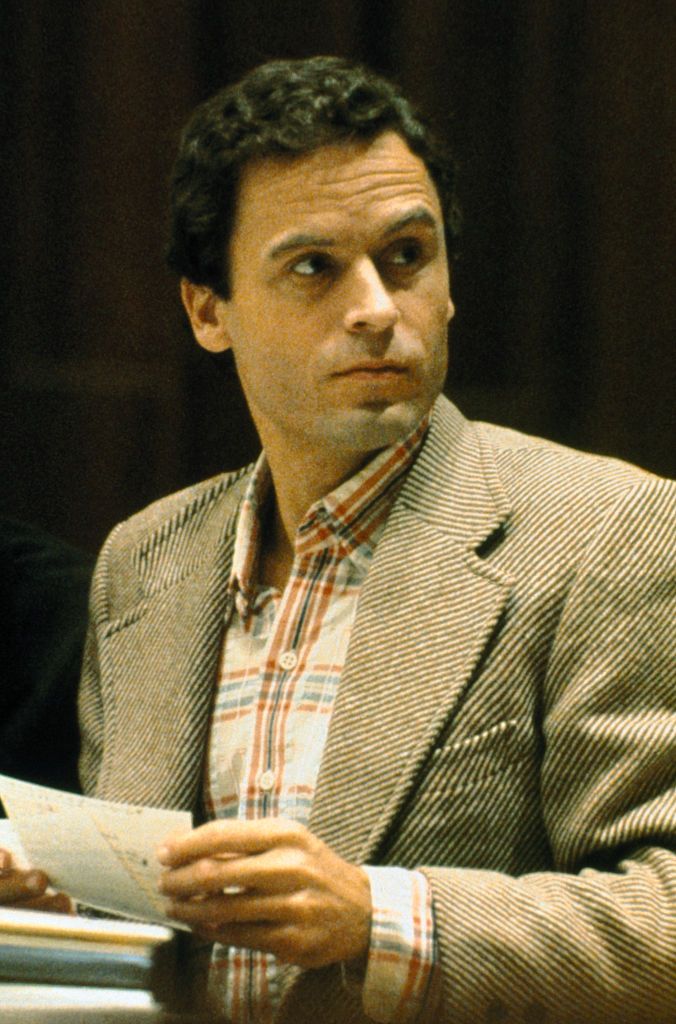
From believing they can change a dangerous man to enjoying the thrill of a relationship with someone safely behind bars, experts reveal why some women are drawn to notorious killers – and why the psychology is more complicated than simply being attracted to a ‘bad man’
PICS: Getty Images
The idea of falling in love with a convicted killer is difficult for many people to comprehend. Yet some of the world’s most notorious murderers including Ted Bundy, Eric Menendez and Charles Manson have attracted female admirers, love letters and even romantic partners.
The phenomenon is sometimes associated with hybristophilia, a term used to describe sexual or romantic attraction connected to someone who has committed serious or outrageous crimes. But experts warn that there is no single explanation for why a woman might become emotionally involved with a dangerous criminal – and it certainly doesn’t mean every woman who does so has a psychological disorder.
Instead, the attraction can involve everything from power and confidence to fantasy, control and the powerful belief that she is the one person capable of reaching the man everybody else fears.
The dangerous appeal of power and confidence
Carole Railton, a body language and communications expert, criminology lecturer at a Bangkok university and author of The Future of Body Language, says the characteristics displayed by some hardened criminals can initially appear attractive.
“Some women are drawn to hardened criminals for reasons that can be psychologically complex rather than simply an attraction to ‘bad men,’ she says. “A person who appears fearless, dominant, decisive and willing to break rules can project power, certainty and confidence. Those characteristics can initially be interpreted as strength or protection.”
Danger and unpredictability can also create excitement, while the woman may convince herself that the person she sees is different from the killer the rest of the world knows.
“There can also be the excitement of danger and unpredictability, or the appeal of being the one person who supposedly sees the softer, vulnerable individual underneath the criminal identity,” Railton adds.
Author Laura Elizabeth Woollett, who explored women connected to notorious men in her book The Love of a Bad Man, has similarly discussed the way dangerous men can become romanticised. Speaking to Refinery29, she noted the crossover between the cultural image of the “bad man” and the antihero – someone who can be perceived as dark and sinister yet exciting. Woollett also identified insecurity as one common thread among the women whose stories she researched, while stressing that insecurity itself is an extremely human characteristic.

‘I can reach him when nobody else can’
Certified psychotherapist and hypnotherapist MaryGrace Anderson believes another important factor can be the rescuer instinct.
“We, as individuals can all come up with our own convincing story on why we do something that we know isn’t good for us, whether it be a relationships, drugs, alcohol, or a harmful/dangerous situation. Simply why do we allow ourselves to go against our own better judgement,” she says. “And some women may be drawn to the idea that they can reach or change the man when nobody else can.”
Anderson explains that closely connected to that is the powerful feeling of being the exception – believing: ‘He may be dangerous to other people, but he would never hurt me.’ Being the one person who supposedly understands or can change him can become part of the attraction itself,” Anderson explains.
For a woman receiving intense attention from a notorious offender, that sense of being specially selected can be incredibly powerful.
“The crime may be what initially makes the man fascinating, but it doesn’t necessarily explain why the woman becomes emotionally attached. I would look at what the relationship gives her psychologically,” explains Anderson.
Why a dangerous man behind bars can feel ‘safe’
One of the strangest elements of the phenomenon is that prison can make an extremely dangerous man feel, paradoxically, safer.
“One of the fascinating paradoxes is that the ‘very man’ society regards as extraordinarily dangerous may feel emotionally safe to the woman because he is behind bars. She can experience danger, excitement and intense intimacy, while retaining far more control and distance than she might in a conventional relationship,” says Anderson.
Incarceration places firm limits on contact. Instead of dealing with the realities of living together, a relationship may consist of carefully anticipated letters, phone calls and prison visits she says.
Railton agrees that this can create a potent combination.
“There is another interesting dynamic when the criminal is imprisoned. The relationship can provide considerable emotional intensity while also creating physical distance and control. Letters, calls and visits allow intimacy to develop without many of the ordinary pressures of living together,” she says.
She expalins hat distance can also leave more room for idealisation. The everyday realities capable of puncturing a romantic fantasy – from domestic responsibilities to observing someone’s behaviour day after day – simply aren’t there.
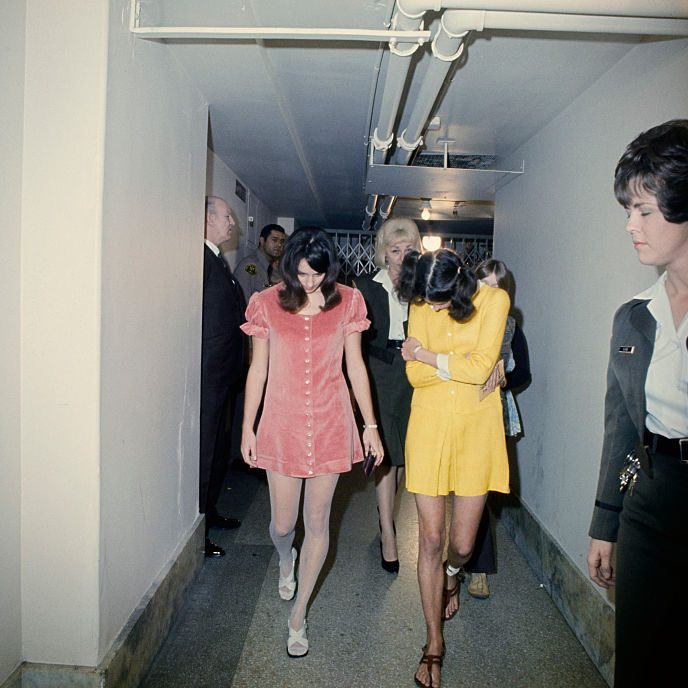
When true crime turns into a personal connection
Anderson believes modern true-crime culture may add another layer to the phenomenon.
“One area I think would be interesting to explore is whether modern true-crime culture intensifies this phenomenon. Years ago a woman might read newspaper reports about a murderer. Today she can watch hours of interviews, documentaries and court footage and hear his voice repeatedly. That can create a sense of familiarity or even a parasocial relationship before she ever contacts him,” she explains. “That means a woman can potentially spend hours watching and listening to a notorious criminal before he has any idea she exists.
“In some cases the relationship arguably begins before the first letter is ever written. The woman may already feel she knows him through hours of documentaries, interviews and media coverage. What begins as fascination can develop into a one-sided emotional attachment, and if he then writes back, suddenly the fantasy becomes reciprocal.”
Notoriety can add another attraction: the feeling of being chosen by somebody thousands or even millions of people know about.
Charm can make the fantasy even more convincing
Railton also warns that people with strong psychopathic traits can sometimes be extremely persuasive.
“They may display superficial charm, confidence, fearlessness and an ability to identify what another person wants emotionally. In a prison relationship, where contact is restricted, it may also be easier to maintain a carefully constructed manipulation because the partner sees only selected parts of the person’s behaviour,” she says.
Crucially, she says there isn’t a simple body-language giveaway that allows someone to spot such traits.
“From a body-language perspective, this is important: you cannot reliably identify a psychopath from body language alone. Someone may appear calm, warm, attentive and completely convincing. The useful clues come from patterns and inconsistencies over time.”
And Anderson cautions against assuming every woman attracted to a killer has hybristophilia.
“Hybristophilia is a sexual or romantic attraction associated with someone who has committed serious or outrageous crimes, but we should not automatically turn an unusual attraction into a diagnosis. Nor should we assume every woman who writes to a serial killer has hybristophilia,” she says.
Ultimately, the experts suggest the more revealing question isn’t simply why would a woman fall in love with a killer?
It is what the fantasy, attraction or relationship is giving her psychologically – whether that is excitement, control, status, emotional intensity or the intoxicating belief that, despite everything he has done, she is the exception.